
 Orji Chigozie Henry
Compassion and empathy are essential components of human interaction, playing a vital role in building and sustaining meaningful relationships. Compassion refers to the ability to recognize the suffering of others and take action to alleviate it. It is characterized by warmth, care, and concern for another person’s well-being, often motivating supportive behaviors that provide comfort and relief during difficult moments.
Empathy, on the other hand, involves deeply understanding and sharing the emotional experiences of others. It goes beyond sympathy by allowing individuals to emotionally resonate with another person’s feelings. This emotional connection fosters a sense of shared humanity, helping people feel seen, heard, and understood in both joyful and challenging situations.
Together, compassion and empathy enhance communication, trust, and emotional intimacy. They allow individuals to navigate conflicts more constructively and build stronger personal and professional relationships. By acknowledging diverse experiences and perspectives, these qualities enrich social interactions and create environments rooted in understanding and mutual respect.
How To Be Compassionate And Empathetic
1. Recognize and Understand Emotions
Understanding emotions is essential to being compassionate and empathetic. This can begin with an individual understanding their own emotions through self-reflection and awareness. Journaling can be a helpful way to track moods and understand how emotions can impact thoughts and behaviors.
Learning to recognize other people’s emotions is also a key component of emotional understanding. This requires paying close attention to others by observing tone, facial expressions, and body language. Nonverbal communication can help a person better understand what others are feeling.
Asking open-ended questions is another important way to understand emotions. These questions might include, “How did that make you feel?” or “What was going through your mind?” By asking open-ended questions, an individual can demonstrate genuine interest in another person’s experiences and emotions, which can help build a stronger emotional connection.

2. Develop Active Listening Skills
Listening is one of the most important skills in being compassionate and empathetic. It requires being present and fully focused when interacting with others. An individual can practice compassionate listening by turning off distractions, such as a cell phone, and devoting their full attention to the speaker.
Listening also involves reflecting on what the other person is saying. By repeating their words or paraphrasing what has been said, an individual can show understanding and encourage the speaker to elaborate on their thoughts or feelings.
Active listening also requires creating a safe space for others. When people feel they can be open and honest without judgment, trust grows. Creating a nonjudgmental space can include nonverbal cues such as encouraging gestures, nodding, or verbal affirmations.
Related: 8 Best Ways To Be Selfless
3. Practice Kindness and Generosity
Small acts of kindness can have a significant impact and help create a more positive environment for others. There are many ways to practice kindness and generosity, ranging from volunteering to helping a friend with a task or donating items.
Acts of kindness can be as simple as sending a thoughtful message to a friend or helping an elderly neighbor with groceries. Practicing gratitude is another way to cultivate generosity, as it can motivate individuals to be more giving to those around them.
4. Build Connections Through Shared Experiences
Shared experiences are a powerful way to develop empathy. Individuals can relate to others by finding common ground, such as shared interests or similar backgrounds, including growing up in the same hometown.
Shared experiences can also include participating in group activities, workshops, or volunteering together. These opportunities allow people to bond through shared stories and collaboration. Such experiences can help individuals better understand different perspectives.
Open communication is also an important part of shared experiences. Honest discussions about thoughts and emotions can foster empathy by reminding people that everyone experiences both positive and negative events in life, creating a stronger sense of shared humanity.

5. Overcome Barriers to Compassion and Empathy
Common barriers to compassion and empathy include biases, stereotypes, and emotional fatigue. These factors can influence how individuals perceive others and affect their ability to be open and compassionate.
Unconscious biases and stereotypes can shape how people respond to others, especially those from different backgrounds. Self-reflection and questioning the origins of these biases can help individuals become more inclusive.
Emotional fatigue can also reduce a person’s ability to remain empathetic and compassionate, particularly in work environments where people are frequently surrounded by others in need. Practicing self-care and setting healthy boundaries can help prevent burnout.
Related: 12 Daily Habits To Be Honest With Yourself
6. Offer Help to Those in Need
Offering help is an important expression of compassion. Help can take many forms, from small gestures to significant acts, such as assisting someone with a task or listening to a friend who is going through a difficult time.
Helping others can be as simple as offering support to a coworker or checking in on a friend. These actions communicate care and connection and remind people that they are not alone. Helping others can also reduce an individual’s own stress levels.
Consistently offering help can build trust and strengthen relationships. It demonstrates care and respect for others and allows individuals to create a lasting legacy of compassion through generosity with time, resources, and emotional support.
7. Celebrate Others’ Success
Celebrating others’ success is an important way to strengthen relationships. Genuinely congratulating someone reminds them that they are supported and that their achievements are valued by those who care about them.
Although jealousy may arise when others succeed, choosing to celebrate instead can help reframe negative emotions. This mindset strengthens relationships and encourages collaboration, support, and teamwork, especially in professional and social settings.
Celebrating others’ success can also inspire personal growth. Seeing others succeed can reinforce the belief that goals are achievable and motivate individuals to work toward their own aspirations, creating a more positive and encouraging environment.

8. Accept People for Who They Are
Accepting people for who they are is essential to building healthy and compassionate relationships. This requires openness to differences and allows others to be authentic and comfortable in relationships.
Recognizing that everyone’s life experiences are different can foster empathy and inclusivity. Understanding these differences helps people become more patient and compassionate toward others.
Acceptance does not mean tolerating harmful behavior. Rather, it involves respecting differences while maintaining healthy boundaries and engaging in compassionate discussions when issues arise. Accepting others may also require letting go of unrealistic expectations.
Related: 8 Most Powerful Strategies to Deal With Envy
9. Learn to Forgive People
Forgiveness is a powerful tool for healing and personal growth. It allows individuals to release emotional burdens, find peace, and create healthier environments for relationships.
Forgiveness is a process rather than a single action and often requires time and patience. Being gentle with oneself during this journey is important, as forgiveness can significantly improve mental well-being.
Forgiving others can also increase compassion and understanding. It promotes emotional maturity and balance, helping individuals improve their relationships and outlook on life.
10. Be Respectful
Respect is a core element of compassion and is essential to healthy relationships. Respect can be demonstrated through both words and actions, fostering better communication and stronger connections.
Listening attentively is one of the most meaningful ways to show respect. It helps people feel valued and encourages openness and honesty.
Respectful communication also involves practicing good manners, such as using polite language, expressing gratitude, and offering constructive feedback when appropriate. Demonstrating respect creates a more empathetic and compassionate environment.
11. Apologize When You Make a Mistake
Apologizing is vital for repairing emotional harm caused by misunderstandings or mistakes. A sincere apology acknowledges wrongdoing and shows empathy and concern for the other person’s feelings.
Taking responsibility for mistakes demonstrates maturity and accountability. Doing so can reduce resentment and rebuild trust in relationships.
An effective apology includes acknowledging the specific mistake and offering to make amends. This helps restore trust and shows a genuine willingness to improve.
12. Practice Self-Compassion
Self-compassion is a foundational step toward being compassionate with others. Caring for mental and physical well-being through self-care enables individuals to show greater empathy.
Self-acceptance is a key aspect of self-compassion. Avoiding harsh self-judgment allows individuals to build confidence and empathy by reducing negative self-talk.
Mindfulness practices such as meditation or breathing exercises can enhance self-compassion by promoting awareness and nonjudgment. When individuals are kinder to themselves, they are better able to extend compassion to others.
Conclusion
Cultivating compassion and empathy is a transformative journey that enriches both personal relationships and society as a whole. These qualities strengthen emotional bonds, foster trust, and promote a sense of belonging across diverse environments.
Through small, intentional actions such as listening actively, offering support, and expressing appreciation individuals create spaces where others feel valued and understood. These practices improve emotional well-being and encourage a culture of kindness.
Ultimately, compassion inspires positive change that extends beyond individual interactions. By recognizing shared humanity and embracing empathy, we contribute to a more connected, resilient, and harmonious world. This legacy of compassion has the power to uplift generations to come.
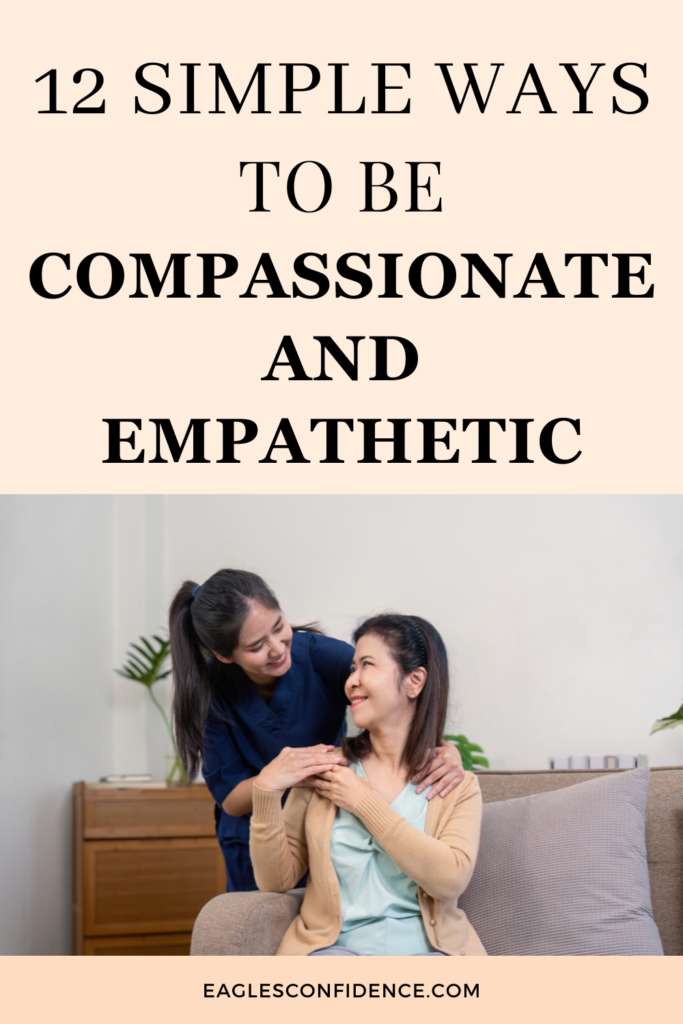
Save the pin for later

- 10 Signs of a Cheating Partner You Should Never Ignore - January 11, 2026
- 10 Effective Ways to Practice Gratitude - November 20, 2025
- 12 Everyday Habits That Can Diminish Your Memory Power - November 15, 2025