 Orji Chigozie Henry
Making time for quiet and stillness proves difficult because our lives move at such a rapid pace. Meditation is a simple yet powerful practice that brings calm and clarity to the mind. Meditation teaches people to focus, which improves the brain’s attention and concentration.
Regular meditation practice also can help people in stress management, depression and other mental health issues. The practice can also have a variety of physical health benefits including lowering blood pressure, strengthening the immune system and reducing pain.
Learning how to meditate effectively is an important step on this journey. Meditation offers numerous benefits, from reducing stress to improving emotional well-being. As interest in mindfulness continues to rise, understanding different meditation techniques and how to meditate is essential. Discover how to meditate, why it’s beneficial, and different techniques to incorporate into your life for mindful living.
How To Meditate
1. Find Your Ideal Meditation Seat
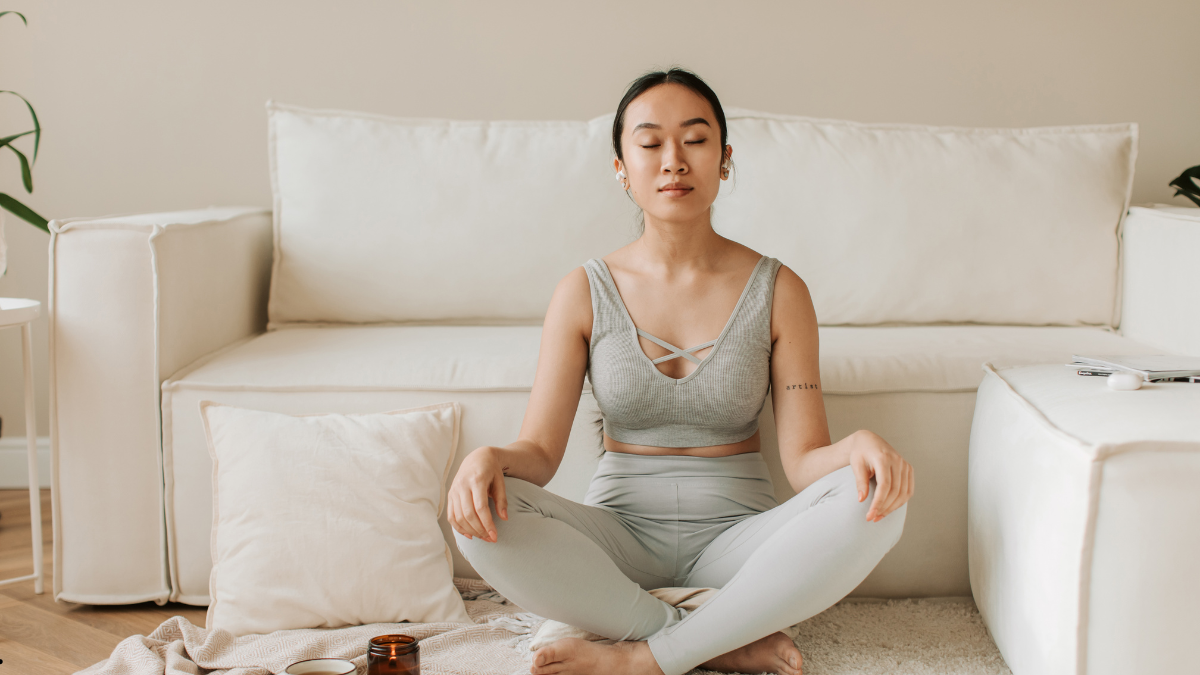
Your meditation practice starts with where you choose to sit. To reach a state of true focus, it is essential to sit in a quiet, undisturbed place. It allows you to meditate with focus and without interruption. Your meditation spot must be peaceful and inspire deep concentration and relaxation. The right seat in meditation will also help you to increase your comfort and keep your concentration.
Chairs: Good for beginners and those who need back support. Feet should rest flat on the ground. Meditation cushions elevate hips for better alignment when sitting on the floor. Sitting on the floor is okay too, with extra cushioning like yoga mats or blankets. Your spine should remain straight and relaxed in any case. Feel free to adjust what is comfortable for you and make sure it doesn’t make you sleepy. The idea is to find a space which is calm and focused.
2. Set a Time Limit
Setting a time limit is the best method, especially for those who are new to meditation. It helps to create a sense of urgency and sets you up for success. In addition, it keeps you from getting overwhelmed or exhausted. For beginners, 5 to 10 minutes is a good amount of time to start with. It’s important to keep in mind that meditation is a skill that takes time to master. Don’t be discouraged if you can’t meditate for a long period of time at first.
Choose a comfortable duration and gradually increase it over time. Beginners should choose a comfortable meditation time. Increase the length of the session as you get more familiar and relaxed (e.g., add 5-10 minutes per week). Use timers or meditation apps to track time and avoid distractions. Consider audio cues or gentle chimes to signal the start and end of your session. These help you stay focused and build a consistent practice.
3. Notice Your Body
One of the first steps in this process is to focus on your body. This is a good practice, which involves being aware of your own body. This can be an important step in being more mindful and relaxed. Start by finding a comfortable position and sit with your back straight. Feel your shoulders relax away from your ears. Rest your hands in your lap or on your knees.
Begin with deep breaths, then shift attention to bodily sensations for awareness and relaxation. First, take deep abdominal breaths to center yourself. Slowly scan your body from toes to head. Notice sensations (tension, relaxation, etc.) without judgment. Relax any tense areas, imagining the release of tension. Let any thoughts drift by without getting involved. Return focus to body sensations. This will increase mindfulness and awareness of the body, as well as during and outside meditation. Focus on physical sensations for a deeper meditative state.
Related: 11 Strategies To Enhance Self-Awareness
4. Feel Your Breath
Breathing is the essence of effective meditation. This is because it is one of the most important things you need to practice. The power of focusing on your breath allows you to be more mindful. This leads you to a state of peace and presence. The act of paying attention to your breath helps you connect with the present. This will help you to release all the distractions around you. To observe your breath, you should be conscious of the air entering and leaving your body. You should not try to change anything but just be aware of it. This is a simple exercise that will help you stay grounded during your meditation session.
Deep Breathing: Inhale deeply through your nose, filling the abdomen, hold briefly, and exhale through the mouth, releasing tension. This relaxes the mind and eases stress. While breathing, visualize inhaling calming light and exhaling negativity. Combine focused breathing with visual imagery to deepen mindfulness.
5. Notice When You Are Distracted
Meditation is a practice that needs dedication and patience. It is particularly true when you are a beginner. The process of meditation can be both frustrating and distracting. As you get more relaxed in your session, it is almost impossible not to get distracted or lose focus. This is normal and it should be embraced. This is the part of meditation where your mind wanders. This is also where you hear every sound around you.
Distractions are to be expected, and racing thoughts, worries, memories, and external noises are common. The key is to notice distractions without self-criticism. Simply acknowledge them and let them go. Visualize thoughts as clouds passing in the sky, and awareness as the blue sky itself. If you get distracted, bring your focus back to breathing. This will help you to stay grounded in the present. This will help you to build mindfulness and improve your meditation.
6. Be Kind to Yourself
The practice of meditation can be both eye-opening and intimidating. As such, it is important to be kind to yourself. Beginners are most often at the receiving end of self-judgment, especially if they have been distracted during a meditation session or felt a sense of frustration. They are also more likely to be harsh on themselves for failing to be clear-minded. It is important to be gentle on yourself during this process. The more you are kind to yourself, the more you will create a better environment for growth and a positive experience for your practice.
When you get distracted, instead of beating yourself for not having a clear mind, try to be gentle on yourself. It is only natural for your thoughts to wander off, and this is perfectly normal. Acknowledge that you have been distracted without judging yourself. This can help you to have a deeper understanding of yourself. A few deep breaths can help you to pull yourself together at this point. You can also gently bring your attention to your breath.
7. Do Not Judge Yourself When Your Mind Wanders
Meditation is often accompanied by mind-wandering. The mind tends to shift its focus from the point of concentration, such as the breath, body sensations or mantra. It wanders off during meditation, no matter what you are focusing on. Mind-wandering is not a sign of weakness or failure but a common occurrence that all meditators experience. This fact can be of great benefit to your practice, as it will help you to be more forgiving and less judgmental of yourself.
Try not to judge yourself when you notice you are distracted. Simply notice that you are not focused and gently bring yourself back to the point of focus. You can use the sensation of your breathing to bring your focus back to the present moment. Be attentive and practice it with gentleness. Continuously and gently bring your focus back without harsh self-criticism. Try to build a strong practice through acceptance and forgiveness.
Related: 10 Tips To Improve Your Communication Skills
8. Close With Gratitude
Closing your meditation with a sense of gratitude is a good way to strengthen your practice, especially if you are a beginner. This is because it will allow you to feel more at ease and allow you to reflect on your inner self. It will also help you to be more mindful and free from stress and anxiety. This is the simplest of all techniques which beginners can adopt. All you have to do is reflect on the session by looking at what you have learned. It is also a good idea to thank yourself for the whole experience.
Visualization is also an excellent technique you can use to practice gratitude. This can be done by thanking yourself for the experience in your mind. Visualizing gratitude and reflecting on lessons learned can also help you. This will help you to embed the whole process in your subconscious and will change the way you perceive meditation as well as the world around you. Try to set a positive tone for the rest of the day with it.
Common Types of Meditation
1. Mindfulness Meditation
Mindfulness Meditation is a practice that helps people stay in the present moment and focus on their breath and body. It can be done in a quiet or comfortable place, either sitting or lying down. The practice involves closing the eyes and taking a few deep breaths to relax and concentrate on the present. The practitioner then observes their breathing and the sensations in their body without judgment or attachment. If their mind wanders, they gently bring their attention back to the present moment. This practice can help reduce stress, anxiety, and negative emotions and increase awareness and concentration.
2. Guided Meditation
Guided meditation is a form of meditation in which a person follows verbal instructions or a guided recording to help them focus on their breath and body. It often includes visualizations, affirmations, and breathing exercises to induce relaxation and calmness. Guided meditation is a popular type of meditation because it can be easier for beginners to follow along with spoken instructions. Guided meditation can be done in various settings, including the home, workplace, or even outdoors. It can help with relaxation, stress reduction, and improving focus and concentration.

3. Transcendental Meditation
Transcendental Meditation is a technique that involves silently repeating a mantra to oneself, which is a word or sound with no specific meaning, in a specific rhythm and sequence. It can be done sitting comfortably with closed eyes or while lying down. Practitioners of this technique believe that it helps to promote deep relaxation, reduce stress and anxiety, and improve concentration and overall well-being. This practice is usually done twice a day for 20 minutes each time.
4. Loving-Kindness Meditation
Loving-Kindness Meditation is a form of meditation that focuses on developing feelings of love, kindness, and compassion towards oneself and others. The practitioner of this technique typically sits comfortably and silently, repeating phrases of goodwill and positive intentions, such as “May I be happy, may I be healthy, may I be safe, and may I live with ease,” towards themselves and then extending those wishes to others. The practice is believed to help individuals cultivate positive emotions and improve their relationships with themselves and others.
5. Body Scan Meditation
Body Scan Meditation is a form of mindfulness practice that involves bringing awareness to different parts of the body, from the toes to the top of the head. The practitioner of this technique typically lies down in a comfortable position and slowly scans their body, noticing any sensations, tension, or discomfort they may be feeling. The aim is to focus on each part of the body, one at a time, and bring awareness to how it feels in the present moment. Body Scan Meditation can be helpful in promoting relaxation, reducing stress and anxiety, and improving overall body awareness.
Related: 12 Effective Ways To Build Healthy Habits
6. Nature Meditation
Nature Meditation is a type of meditation that involves immersing oneself in the natural world and focusing on the sights, sounds, and sensations around you. The practitioner of this technique typically finds a comfortable spot in nature, whether it’s a park, garden, or forest, and sits or lies down to observe their surroundings. They may focus on the sounds of birds, the rustling of leaves, or the feeling of the sun on their skin. Nature Meditation can be beneficial for reducing stress, improving mood, and fostering a sense of connection with the natural world.
7. Spiritual Meditation
Spiritual Meditation is a type of meditation that involves connecting with a higher power or spiritual beliefs. The practitioner of this technique may use prayer, chants, or visualizations to focus their mind and connect with their spirituality. Spiritual Meditation can be practiced in a variety of settings, including the home, workplace, or places of worship, and can be helpful for those seeking to deepen their spiritual connection or find inner peace and calm.
8. Visualization Meditation
Visualization Meditation is a form of meditation that involves creating a mental image or picture in your mind. The practitioner of this technique may use their imagination to visualize a particular scene, object, or experience. The aim is to focus on the details of the image and to create a sense of presence and awareness in the present moment. Visualization Meditation can be helpful for reducing stress, improving focus and concentration, and for manifesting positive outcomes or goals.
Benefits of Meditation
1. Enhances Mental Clarity
Meditation can help increase mental clarity. By training your mind to focus on the present moment, you can learn to filter out distractions and unnecessary thoughts. This can help you think more clearly and make better decisions, both in your personal and professional life.
2. Stress Reduction and Emotional Balance
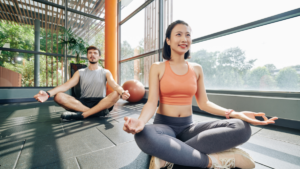
One of the most significant benefits of meditation is stress reduction. As you become more mindful of your breath and body, you will notice a decrease in your stress levels. You will also find that your emotional balance is better, as you will be more equipped to handle the ups and downs of life.
3. Boosting Overall Well-Being
Meditation can have a positive impact on your overall well-being. By helping you reduce stress and improve your mental clarity, it can also boost your immune system, lower your blood pressure, and help you maintain a healthy weight. It can also improve your mood, increase your energy levels, and make you a happier and healthier person.
How Much Should I Meditate
If you are a beginner, start with a few minutes a day. You can gradually increase the time as you become more comfortable with the practice. Remember, it’s about the quality of the meditation session, not the quantity. So, don’t push yourself too hard, and take it easy.
Once you have established a consistent meditation practice, you might wonder, “how long should I meditate?” The answer depends on your goals and preferences. However, most experts recommend meditating for at least 20 minutes a day to experience the benefits of meditation fully. Some people find that longer sessions are more beneficial, while others prefer shorter ones.
Ultimately, the ideal length for meditation is whatever works for you. Listen to your body and your mind, and adjust accordingly. If you feel tired or overwhelmed, take a break. But if you feel energized and focused, keep going!
What Time Should I Meditate
Meditation can be done at any time of the day, but it’s important to be consistent. Whether you choose to meditate in the morning, afternoon, or evening, try to do it at the same time every day.
Should I Close or Open My Eyes While Meditating
It is generally recommended to close your eyes while meditating. Closing your eyes can help you focus inwardly and reduce external distractions. It also allows you to concentrate on your breath and the present moment without being interrupted by your surroundings. However, some people find it more comfortable to meditate with their eyes open, particularly if they are new to meditation or have difficulty sleeping at night. Ultimately, the most important thing is that you find a practice that works for you and helps you relax and focus.
Conclusion
Meditation is a practice that anyone can learn. It is important to find a quiet place where you can meditate without interruptions. It is also helpful to meditate at the same time every day. When you first start meditating, it is important to set realistic goals. It is also important to be patient and not judge yourself if your mind wanders. Remember, meditation is a process, and it takes time to learn. But if you stick with it, you will find that meditation can be a very rewarding experience.
Save the pin for later

- 10 Signs of a Cheating Partner You Should Never Ignore - January 11, 2026
- 10 Effective Ways to Practice Gratitude - November 20, 2025
- 12 Everyday Habits That Can Diminish Your Memory Power - November 15, 2025