
 Orji Chigozie Henry
Red flags are repeated behaviors or warning signs that threaten your safety, trust, freedom, or emotional health. In dating and close relationships, they may look like controlling who you see, ignoring your boundaries, twisting the truth, or making you feel afraid to speak honestly.
One awkward moment doesn’t always define a person, but patterns, escalation, fear, and refusal to respect your boundaries deserve attention. Similar warning signs can appear in friendships, family life, and the workplace, so learning to recognize them matters; you can also review these relationship deal breakers to watch for. Next, we’ll look at how to identify danger, respond safely, and find the support you need.
Key Takeaways
- Red flags include control, jealousy, dishonesty, manipulation, repeated criticism, and behavior that makes you feel unsafe.
- Watch for patterns, escalation, and a partner who dismisses your boundaries instead of respecting them.
- Healthy boundaries protect your time, privacy, friendships, body, and emotional well-being. Learn more about setting healthy relationship boundaries.
- Feeling anxious, isolated, confused, or afraid to speak honestly is important information, not something to ignore.
- When disrespect or abuse continues, focus on safety and consider knowing when to leave a relationship.
Red Flags You Should Never Ignore in a Relationship
Healthy relationships allow both people to keep their privacy, opinions, friendships, and sense of self. Ordinary disagreements happen, but a repeated pattern that damages your safety, autonomy, or dignity needs attention. An apology matters only when it leads to lasting change, not when it simply resets the same cycle.
Pay attention to what happens after you raise a concern. Does your partner listen and adjust, or dismiss your feelings and punish you for speaking up? A single mistake may be repaired through accountability. Repeated boundary violations, growing fear, and increasing dependence point to a more serious problem. Research on recognizing dating violence also identifies control as a warning sign worth taking seriously (Relationship Red Flags Scale research).
1. Control and Isolation
Control can appear in ordinary-looking requests that become rules. Your partner may monitor your texts, demand your location, check your phone, criticize your clothing, question your spending, or expect updates about your schedule. They might insist on access to your passwords and social media, track your movements, or become angry when you don’t respond immediately.
Control often grows by making each restriction seem like proof of love, concern, or commitment.
2. Possessive Behavior
Possessiveness often shows up as extreme jealousy. A partner may accuse you of cheating because you spoke with a coworker, object to your friends, or pressure you to stop seeing family members. Over time, these demands can shrink your support system. Once you spend less time with people who know and support you, leaving or seeking help may feel harder.
Love bombing and pressure to move quickly can also be early warnings when they come with boundary-pushing. Constant praise, expensive gifts, intense promises, or pressure to become exclusive, move in, or share finances may feel flattering at first. The concern grows when your partner ignores your hesitation and treats access to your time, body, money, or private life as something they deserve
3. Manipulation, Gaslighting, and Repeated Disrespect
Gaslighting makes you question your memory, judgment, or feelings. Your partner may deny something they clearly said, rewrite an argument, call you “too sensitive,” or blame you for their anger. Blame-shifting can make you feel responsible for managing another person’s emotions, while threats to leave can pressure you into giving in.
Insults, humiliation, contempt, and mocking are not healthy communication. Neither is silent treatment used to punish you rather than create space for a calm conversation. Watch your own emotional responses. Confusion, self-doubt, anxiety after conversations, walking on eggshells, and feeling smaller over time are meaningful signals.
A respectful partner can disagree without degrading you. If the same behavior continues after apologies and honest conversations, judge the pattern by its actions, not its promises.

4. Threats, Stalking, Weapons, and Escalating Violence
Take threats to kill or harm you, your children, pets, family members, or another person seriously. Stalking can happen in person or online through unwanted visits, repeated messages, location tracking, fake accounts, or monitoring your devices. Access to weapons, showing a weapon, or using one during an argument raises the risk further.
Violence also becomes more dangerous when it happens more often or causes greater injury. Pay close attention to hitting, kicking, throwing objects, blocking exits, violence during pregnancy, and threats of suicide used to pressure you into staying or complying.
An attempt to strangle, choke, drown, or suffocate you is an emergency. Strangulation can restrict oxygen and blood flow, cause internal injuries, or become fatal even when your neck has no visible marks. Seek urgent medical care after an assault, especially if you have trouble breathing, swallowing, speaking, or staying alert.
A safety plan should prepare for escalation and separation, not require you to announce your plans to the person who may harm you.
5. Sexual Coercion and Boundary Violations
Consent must be freely given, informed, and ongoing. You can withdraw it at any time, even if you agreed earlier, are married, or have had sex before. Pressure, guilt, intimidation, threats, reproductive control, unwanted touching, and refusing to accept “no” are boundary violations.
Sharing private images without permission is also abuse. After sexual assault, seek medical care or contact a sexual assault advocate when you can. Preserve messages, clothing, or other evidence only if doing so is safe. Nothing about the assault makes you responsible for the harm. A healthcare professional or advocate can explain your options without blaming you.
When a Red Flag Becomes an Immediate Safety Risk
Some relationship red flags require more than a serious conversation. Threats, physical violence, stalking, sexual coercion, and attempts to restrict your movement can create immediate danger. Physical and sexual violence are never normal conflict, and they are never the victim’s fault.
Your priority is safety, not proving your point or fixing the relationship. Avoid confronting a dangerous partner alone, especially if their behavior is escalating. If you face immediate danger, leave if you can and call your local emergency number. Contact someone you trust, use a safer device if your communications may be monitored, and consider creating a personal safety plan.
How Red Flags Can Affect Your Mental Health
Unsafe relationship patterns can affect more than your feelings during an argument. Ongoing control, criticism, manipulation, or fear can keep your body in a state of chronic stress. Over time, that stress may affect sleep, concentration, mood, confidence, energy, and physical health. You might struggle to focus at work, feel tense when your phone rings, or lose interest in activities you once enjoyed.
These changes don’t prove that your partner is abusive, and they can have other causes. Still, they deserve attention, especially when they began or worsened during the relationship. Notice what has changed in you, then consider speaking with a licensed mental health professional or a trusted support person. You can also review guidance on maintaining emotional safety in marriage when assessing what respect and reliability should look like.
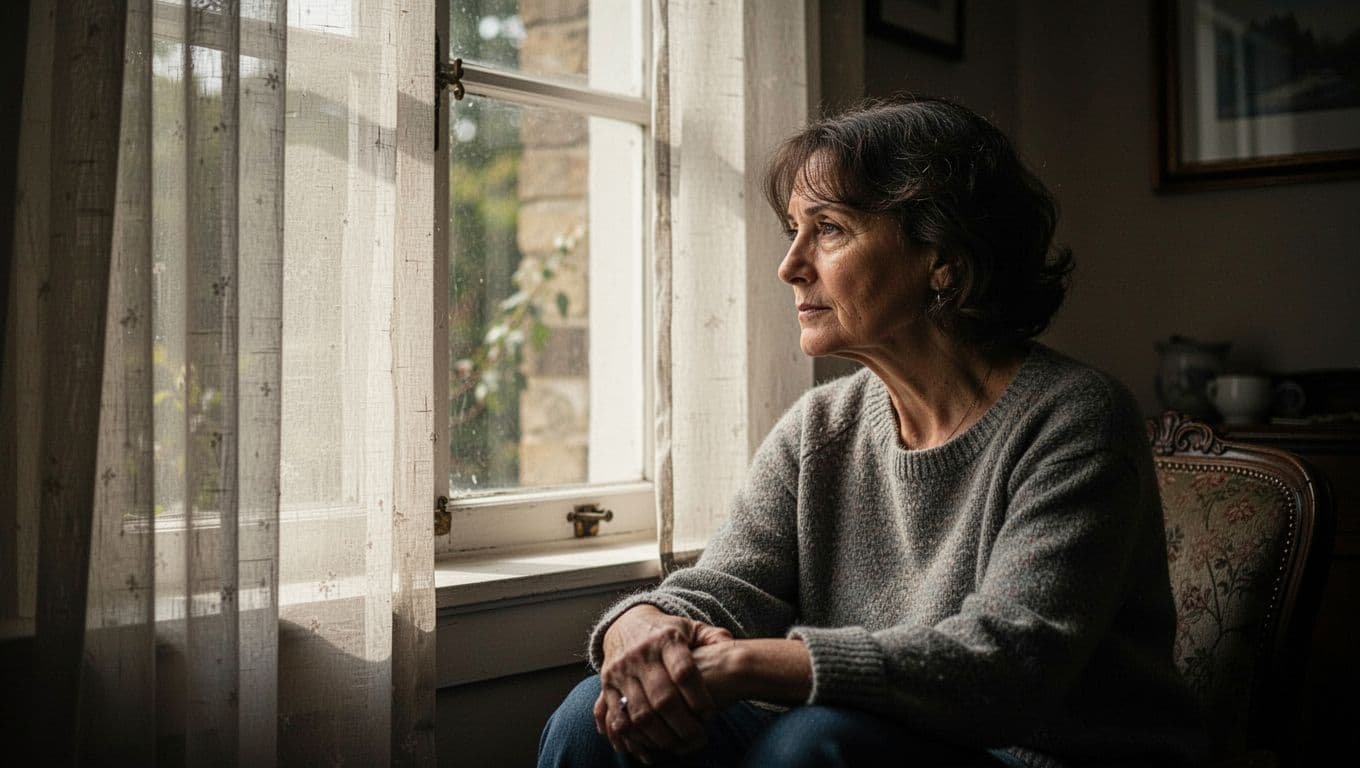
Signs You May Be Losing Your Sense of Self
Constant anxiety can make you monitor every word, facial expression, and change in your partner’s mood. This hypervigilance keeps you alert for danger, even during ordinary moments. You may feel shame after disagreements, develop low self-esteem, or withdraw from friends because explaining the relationship feels exhausting.
Some people start changing normal behavior to prevent anger. You might stop sharing opinions, avoid certain clothes, hide purchases, or cancel plans without being asked. As your choices shrink, decision-making can become harder. You may also begin believing you can’t cope alone, even if you managed your life independently before.
Feeling afraid to end a relationship is a safety signal, not proof that you’re weak.
Fear can reflect threats, financial dependence, isolation, or a partner’s past reactions. Take it seriously. A counselor, domestic violence advocate, or trusted person can help you think through safer options without pressuring you to make a sudden decision.
Why Good Moments Do Not Erase Harmful Patterns
Harmful relationships often move through a repeating cycle: tension builds, damaging behavior occurs, the person apologizes or becomes affectionate, and a short calm period follows. Gifts, tears, promises, and a few peaceful days can make you question whether the problem was serious.
Lasting change requires consistent accountability, respect for boundaries, and improved behavior over time. Look at three things:
- Does the same behavior keep returning?
- How does your partner respond when you set a boundary?
- Does the behavior improve without constant pressure from you?
Good moments may be genuine, but they don’t cancel repeated harm. Judge the relationship by its pattern, not its best weekend. Research on relationship stress and support also reinforces the importance of noticing how relationships affect mental and emotional health.
What to Do When You Notice a Serious Red Flag
When a relationship begins to feel unsafe, choose the safest next step, not the most dramatic one. You don’t have to confront your partner, make an immediate decision, or explain everything before you seek help. Whether you’re dating, living together, or preparing to leave, focus first on reducing risk and staying connected to people who support you.
If danger is immediate, move to a safer location and call 911. When you have time, contact a trusted person, counselor, or domestic violence advocate for guidance. A professional can help you assess the situation without pressuring you to stay or leave before you’re ready. You can also review these signs it might be time to leave as you consider what has changed.
Document the Pattern and Check Your Reality
If doing so won’t increase danger, privately record dates, specific behaviors, threats, injuries, damaged property, and anyone who witnessed what happened. Save threatening texts, emails, photos, or voicemails in a secure account or location your partner cannot access. A trusted friend may be able to hold copies for you.
Documentation is optional. Your safety comes first, and deleting notes or avoiding them completely is reasonable if your partner monitors your devices or belongings. Tell someone you trust what is happening, even if you’re still unsure whether the behavior “counts” as abuse.
When confusion or self-doubt takes over, ask yourself, “Would I want someone I love to live with this?” Your answer may help you view the pattern with more compassion and less self-blame.

Build Support and Make a Personal Safety Plan
Reach out to a friend, relative, therapist, domestic violence advocate, or local crisis service. You can ask for help without committing to a breakup. The WomensLaw safety planning resources can also help you think through practical options.
Your plan might include:
- Choose a code word that tells someone to call for help.
- Keep an emergency bag with medication, money, keys, clothes, and important documents.
- Store copies of identification, financial records, and legal papers somewhere secure.
- Identify safer places to go and arrange transportation if needed.
- Review device privacy, location sharing, passwords, and browser history.
Leaving can increase risk in some situations. Don’t announce your plans to a threatening partner without tailored professional guidance. An advocate can help you decide what to do next and when.
Frequently Asked Questions
Recognizing relationship red flags can leave you with difficult questions. These answers can help you separate ordinary conflict from harmful patterns and choose a safer next step.

Is one red flag enough reason to leave?
Yes, especially if the behavior threatens your safety, dignity, freedom, or physical boundaries. You don’t need a long list of incidents to justify leaving a relationship that makes you afraid or controlled. Trust your judgment, and seek support if leaving could increase your risk.
How can I tell a red flag from a normal mistake?
A normal mistake usually includes a clear acknowledgment, a sincere apology, and a change in behavior. A red flag often repeats, escalates, or becomes your fault when you raise it. Pay attention to the response after you say, “That hurt me” or “I don’t agree.” Respectful partners listen without punishing you.
What should I do when my partner apologizes?
Listen to the apology, but judge it by what happens next. A meaningful apology names the behavior, avoids excuses, accepts the effect on you, and leads to consistent change. Gifts, affection, or promises do not repair a pattern if the same conduct returns soon afterward.
Is couples counseling safe when abuse is involved?
Couples counseling may be unsafe when one partner uses intimidation, threats, surveillance, or violence. Abusive partners can misuse private disclosures, retaliate after sessions, or present the abuse as a shared communication problem. Speak privately with a domestic violence advocate or individual therapist before considering joint counseling.
How can I help a friend without taking control?
Believe your friend, listen without judgment, and avoid pressuring them to leave before they have a safe plan. Ask what support would help, such as transportation, childcare, a private place to talk, or help storing documents. Keep their confidence unless someone faces immediate danger, and remind them that the abuse is not their fault.
Conclusion
Red flags deserve attention when they form a pattern, leave you feeling afraid or diminished, or continue after you’ve expressed a boundary. You don’t need courtroom-level proof, a perfect explanation, or another person’s permission to take your discomfort seriously.
Healthy relationships make room for boundaries, honesty, freedom, consent, and genuine repair. If something feels wrong, take one small step that supports your safety, such as writing down what happened, telling someone you trust, or contacting a qualified support service.
Your feelings are enough to begin seeking clarity and support. Asking for help is a sign of self-respect, not failure.
Save the pin for later

- 8 Signs Your Ex Is Testing You And What It Really Means - September 18, 2026
- 12 Qualities Every Good Man Should Have - September 18, 2026
- How to Write a Dating Profile for a Woman Over 45: 9 Simple Steps - September 18, 2026