 Orji Chigozie Henry
Your daily habits can affect how rested, healthy, and youthful you look, even though your actual age hasn’t changed. A tired expression, dull skin, or deeper lines may reflect your routine as much as your genetics.
Visible aging comes from both inherited traits and lifestyle factors. Unprotected sun exposure, smoking, poor sleep, ongoing stress, an unbalanced diet, frequent alcohol, and irritating skin-care habits can all make you look older than your age. However, the goal isn’t to look younger at all costs. Protecting your skin, energy, and overall well-being matters more than chasing a certain appearance.
The good news is that small, consistent changes can help. As you learn to build healthy habits, you’ll find practical ways to replace routines that work against your health and appearance. Keep reading to identify the habits that may be aging you and the simple adjustments that can help you feel and look more refreshed.
Key Takeaways
- Smoking, frequent sun exposure, tanning beds, and poor skin-care habits can make visible aging appear sooner.
- Sleep deprivation and chronic stress may leave your skin dull, less elastic, and slower to recover.
- A balanced diet, regular movement, enough water, and moderate alcohol can support a healthier appearance.
- Consistent sunscreen use and better sleep are practical ways to protect your skin and energy.
- Small changes become easier when you follow better daily routines and replace habits that harm your health.
Habits That Make You Look Older Than Your Age
Repeated habits can affect collagen, elastin, skin moisture, circulation, inflammation, and even your facial expression. One late night or one afternoon in the sun won’t suddenly age you, but patterns repeated for months or years can become visible through fine lines, uneven pigmentation, dullness, dryness, puffiness, sagging, and a tired look.
UV exposure is widely considered the leading external cause of visible skin aging. Smoking, poor sleep, stress, and diet can add to that effect, although lifestyle changes can’t reverse every sign of aging. They can still help you protect your health and look more refreshed.
1. Skipping daily sun protection speeds up visible skin aging
UVA rays reach deeper into the skin and damage collagen and elastin, while UVB rays cause sunburn and also contribute to long-term skin damage. Repeated exposure can leave you with wrinkles, looser skin, dark spots, and uneven tone. Research on sun-induced skin aging explains how UV exposure can trigger collagen breakdown.
You don’t need to be sunbathing for this habit to matter. UVA exposure can happen while driving, walking, sitting near a bright window, or spending time outdoors on cloudy days. Tanning beds add another concentrated source of harmful UV radiation.

Use a broad-spectrum sunscreen with SPF 30 or higher, and reapply it during extended outdoor time. Sunglasses, tightly woven clothing, a wide-brimmed hat, and shade provide extra protection. An affordable sunscreen used consistently is more helpful than an expensive, complicated routine used occasionally.
2. Smoking and frequent alcohol use can leave a tired, older-looking face
Smoking reduces blood flow and increases oxidative stress, which can damage collagen and speed collagen breakdown. Over time, smokers may develop deeper lines around the mouth, dull skin, and a hollow or tired appearance. If you want to quit, a healthcare professional, nicotine replacement, or a structured quit plan can make the process more manageable.
Frequent heavy drinking can also affect your appearance. Alcohol may worsen dehydration, redness, puffiness, inflammation, and poor sleep, so your face can look especially tired the next morning. Those short-term effects often improve, but repeated heavy drinking may keep affecting your skin and energy.
Drink water alongside alcohol, eat regular meals, and follow moderate drinking guidance. If alcohol feels difficult to control, seek medical support rather than trying to handle it alone.
3. Too little sleep makes your skin and expression look worn out
Poor sleep often shows up as dark circles, puffy eyes, dull or paler skin, and a tired facial expression. Sleep also affects stress hormones, inflammation, circulation, and the skin barrier’s ability to repair itself. A fairly steady wake time can help, even if your schedule isn’t perfect.
Reduce bright screens before bed, limit late caffeine, and keep your bedroom cool and dark. A short wind-down routine, such as reading or gentle stretching, can support better sleep habits.
Persistent insomnia, loud snoring, or extreme daytime sleepiness deserves medical evaluation. Treating an underlying sleep problem can improve both your health and the way you look.
4. Over-exfoliating and using harsh products damages the skin barrier
Exfoliation can remove a small amount of dead surface skin, but repeated stripping removes more than your skin can replace. Rough scrubs, very hot water, over-cleansing, strong acids, harsh retinoids used too often, and fragranced products can weaken the protective barrier.
The same problem can occur when you combine several active ingredients, such as an exfoliating acid, retinoid, vitamin C, or acne treatment in one routine. More products don’t guarantee better results. Irritation can cause dryness, redness, rough texture, flaking, and lingering discoloration, all of which can make your face look older.
Watch for warning signs such as:
- Stinging when you apply moisturizer.
- Persistent tightness, redness, or peeling.
- Sudden sensitivity to products you previously tolerated.
- Burning, swelling, or worsening breakouts.
Pause exfoliants and strong actives if these symptoms appear. Use a gentle cleanser, lukewarm water, and a plain moisturizer while your skin settles. Then reintroduce one active product at a time, less often than before. This consistent daily routine is more useful than constantly changing products. Guidance on over-exfoliation warning signs can also help you recognize when you’ve gone too far.
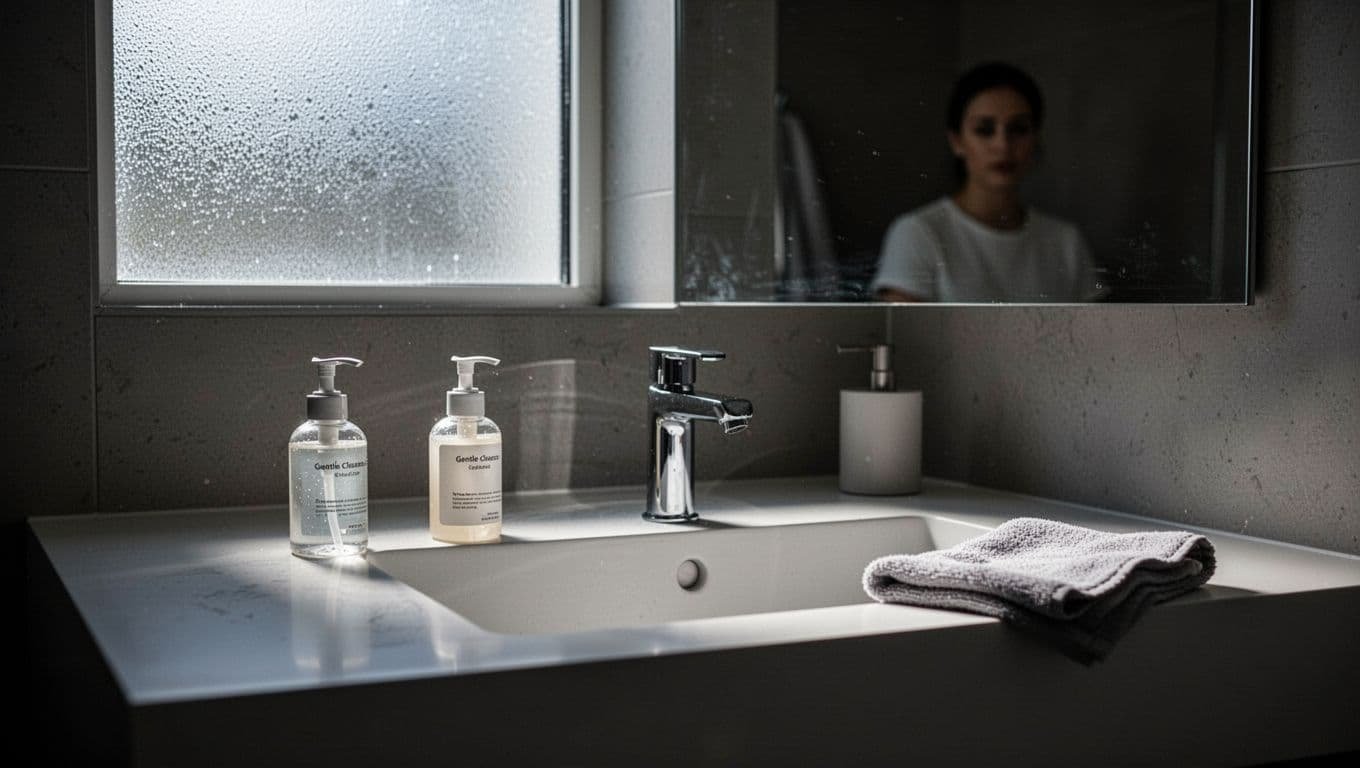
People with eczema, rosacea, acne, or ongoing irritation should ask a dermatologist for personalized advice.
5. Neglecting your teeth, posture, and facial tension affects your appearance
Your face isn’t the only part of your appearance that shapes how old or tired you seem. Poor oral hygiene, stained or missing teeth, dry mouth, and avoiding dental care can affect your smile, comfort, and overall presentation.
Brush twice daily with fluoride toothpaste, clean between your teeth, and schedule regular dental checkups. If you have persistent dryness, pain, bleeding gums, or changes in your teeth, arrange a dental evaluation rather than covering the problem cosmetically.
Posture also changes your presence. Rounded shoulders and a forward head position can make you look less energetic, while standing with your head balanced over your shoulders can create a more alert appearance without changing your facial age. Gentle strength work, movement breaks, and adjusting your desk setup can help.
Repeated frowning, squinting, or jaw clenching may deepen expression lines over time. However, normal facial movement is healthy and natural. You don’t need to freeze your expressions. Focus on easing unnecessary tension, wearing appropriate sunglasses outdoors, and seeking help if jaw pain or grinding persists.
6. Chronic stress shows up in your skin, sleep, and facial expression
Ongoing stress keeps your body in a state of tension. It can disturb sleep, change your appetite, and maintain inflammation, which may slow skin-barrier recovery after irritation. Poor sleep then adds dullness, puffiness, and a tired expression.
Stress also affects how you hold your face. Constant frowning, jaw clenching, squinting, or eye strain can make you look tense, even when you feel calm. Small breaks can help: take a short walk, practice slow breathing, write in a journal, spend time outdoors, or contact someone you trust. Setting boundaries around work and screens can protect your recovery time. These stress management techniques can fit into an ordinary schedule.
Self-care isn’t a substitute for treatment. Seek professional mental health support if stress feels constant, causes panic, or interferes with daily life.

7. A high-sugar, low-nutrient diet can reduce your healthy glow
Sugary drinks, refined carbohydrates, highly processed foods, and excess sodium may contribute to inflammation, poor hydration, and unstable energy. Glycation is one possible pathway. Excess sugar can attach to proteins such as collagen, making them less flexible over time. It isn’t the only cause of wrinkles, and you don’t need to eliminate every sweet food.
Instead, build meals around vegetables, fruit, beans, whole grains, fish or another protein source, healthy fats, and enough water. A review of diet and skin aging supports focusing on overall food quality rather than one miracle ingredient. Supplements can’t replace a varied diet. If you have diabetes, kidney disease, or another medical condition, ask a clinician before making major changes.
8. Pollution, inactivity, and dehydration can make you look dull and tired
Air pollution can create oxidative stress that worsens dullness, uneven tone, and visible skin damage, particularly in cities. After heavy exposure, wash your face gently, skip harsh scrubbing, and focus on sunscreen and a healthy skin barrier. Research on environmental skin aging also highlights pollution alongside UV exposure and lifestyle factors.
Low activity can reduce energy, worsen posture, affect circulation, and disrupt sleep quality. Walk regularly and add strength training when your ability allows. Regular hydration supports normal body function and may reduce a dry, tired look, but drinking excessive water won’t remove wrinkles. Consistent habits matter more than perfection.
A simple daily routine to look healthier without chasing perfection
Looking healthier usually comes from protecting your skin, improving recovery, and reducing habits that drain your energy. You don’t need a complicated routine or expensive treatments. A few repeatable actions can make your skin look calmer and help you feel more refreshed.
Start with the habits that have the biggest payoff
Choose one or two changes for the first month instead of rebuilding your entire life overnight. Start with the habits most likely to protect your health and appearance:
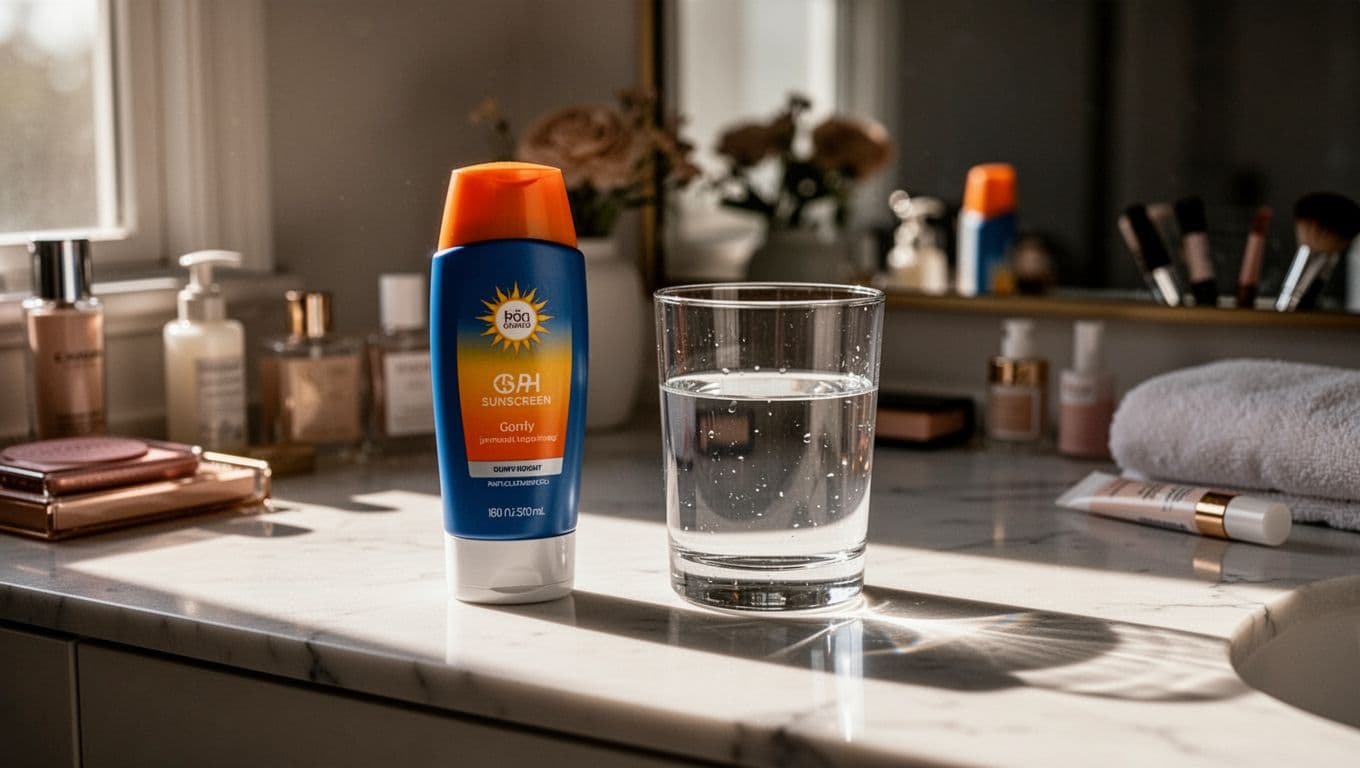
- Apply broad-spectrum SPF 30 or higher every morning. Add shade, sunglasses, and protective clothing during extended outdoor time.
- Set a consistent bedtime and wake time, even on weekends. A steady sleep schedule often helps your eyes, skin, mood, and energy.
- Reduce smoking or frequent heavy alcohol use. Both habits can affect circulation, sleep, skin quality, and overall health.
- Replace harsh scrubs and excessive exfoliation with gentle cleansing, moisturizer, and lukewarm water.
A simple routine might look like this:
- Morning: Cleanse gently if needed, apply moisturizer, then finish with sunscreen. If your skin feels comfortable after sleeping, water alone may be enough.
- Daytime: Drink water regularly, eat balanced meals, take movement breaks, seek shade, and avoid smoking. Reapply sunscreen during long periods outdoors, especially after sweating or swimming.
- Evening: Remove makeup or sunscreen, cleanse without scrubbing, apply moisturizer, and follow a calming bedtime routine.
- Weekly: Plan a few nourishing meals, check your stress level, wash pillowcases and items that touch your face, and notice which products cause stinging or redness.
The Cleveland Clinic’s skin-care guidance also supports keeping the basics simple, including gentle cleansing, moisturizer, and daily sun protection.
Track actions rather than obsessing over photos or fine lines. Marking sunscreen use, bedtime consistency, smoke-free days, or alcohol-free evenings gives you useful evidence of progress.
Quitting smoking, improving severe sleep problems, and managing heavy alcohol use may require help from a doctor, therapist, dentist, or trusted support program. Ask for support early. Small habits repeated consistently usually matter more than occasional extreme routines, and visible changes take time. Judge progress by healthier skin, steadier energy, and better care for yourself, not by whether you look like a different age.
Frequently Asked Questions
Lifestyle choices can affect how quickly visible signs of aging appear, but your appearance never tells the whole story. Genetics, health, hormones, skin type, and past sun exposure all matter too.

Can these habits make me look older even if I am young?
Yes, repeated habits can cause premature or accelerated visible aging at any age. Unprotected UV exposure, smoking, poor sleep, stress, and irritating skin care may contribute to dryness, uneven tone, fine lines, or a tired appearance.
However, young people with wrinkles or other skin changes haven’t necessarily made poor choices. Genetics, skin type, hormones, medical conditions, medication, and sun history can all influence how someone looks. Focus on healthy changes rather than blaming yourself.
Which habit makes the biggest difference to skin aging?
Regular, unprotected UV exposure is widely viewed as one of the strongest external drivers of visible skin aging. The American Academy of Dermatology recommends daily sun protection to help reduce premature aging, including wrinkles and age spots.
Smoking, poor sleep, heavy alcohol use, and chronic stress can also affect your appearance. The most important change depends on your current routine, so start with the habit causing the greatest harm. You can also review these harmful daily habits for practical ideas.
Can drinking more water get rid of wrinkles?
Adequate hydration can reduce a dry, tight, or dull appearance, especially when you haven’t been drinking enough fluids. However, water alone cannot erase wrinkles, rebuild collagen, or repair sun damage.
Drink regularly, then support your skin with moisturizer, daily sunscreen, adequate sleep, and balanced nutrition. Drinking excessive amounts won’t produce better results and can be unsafe.
Does facial exercise prevent an older-looking face?
Evidence for facial exercises remains limited, and repeated or forceful movements aren’t a reliable way to prevent wrinkles. Some expressions may also deepen lines when you perform them frequently or with strong tension.
General exercise has clearer benefits for circulation, strength, mood, stress, and sleep. Choose activities you can maintain, such as walking, resistance training, swimming, or gentle mobility work.
When should I see a dermatologist about changes in my skin?
Seek medical advice for sudden changes, a changing or bleeding spot, a persistent rash, severe irritation, or unusual hair or nail changes. You should also arrange an appointment when a skin concern doesn’t improve with gentle care.
A dermatologist can separate normal aging from treatable conditions and create a safe routine for your skin type. Early evaluation is especially helpful when a change continues, spreads, or causes pain.
Is it possible to reverse premature skin aging?
Healthy habits can prevent further damage and improve dryness, dullness, uneven texture, and overall skin quality. They can’t fully erase every wrinkle or pigment change, though.
Prescription treatments and procedures may help with certain concerns, but discuss them with a qualified medical professional. Start with consistent sun protection and gentle care before adding stronger treatments.
Conclusion
Looking older than your age is often connected to repeated patterns, such as unprotected sun exposure, smoking, poor sleep, ongoing stress, heavy alcohol use, an unbalanced diet, and harsh skin care. These habits can affect your skin, energy, posture, and facial expression, but natural aging is normal and doesn’t mean you’ve done anything wrong.
The strongest takeaway is that consistency matters more than perfection. Focus on healthier skin and a more rested appearance instead of trying to look like a different age. A practical routine, supported by organizing your daily routines, can make positive changes easier to maintain.
Choose one high-impact habit to change this week. Make the new action simple enough to repeat, then build on it when it feels manageable.
Save the pin for later

- 8 Signs Your Ex Is Testing You And What It Really Means - September 18, 2026
- 12 Qualities Every Good Man Should Have - September 18, 2026
- How to Write a Dating Profile for a Woman Over 45: 9 Simple Steps - September 18, 2026