 Orji Chigozie Henry
A room full of excited children can become noisy, restless, and hard to manage within minutes. The right Halloween party games for kids keep everyone involved without demanding expensive supplies or complicated rules.
The strongest choices mix movement, creativity, quiet breaks, and low-scare fun. With short rounds and flexible roles, toddlers, older children, shy guests, and children with different comfort levels can all enjoy the party. Start with a few simple options that match your space, guest list, and energy level.
Key Takeaways
- Choose short games with clear rules and simple supplies.
- Offer active, creative, and quiet activities throughout the party.
- Use friendly spooky details instead of frightening surprises.
- Give children choices, team roles, and non-food prizes.
- Adjust every game for age, space, mobility, and sensory comfort.
Halloween Party Games for Kids That Get Everyone Moving
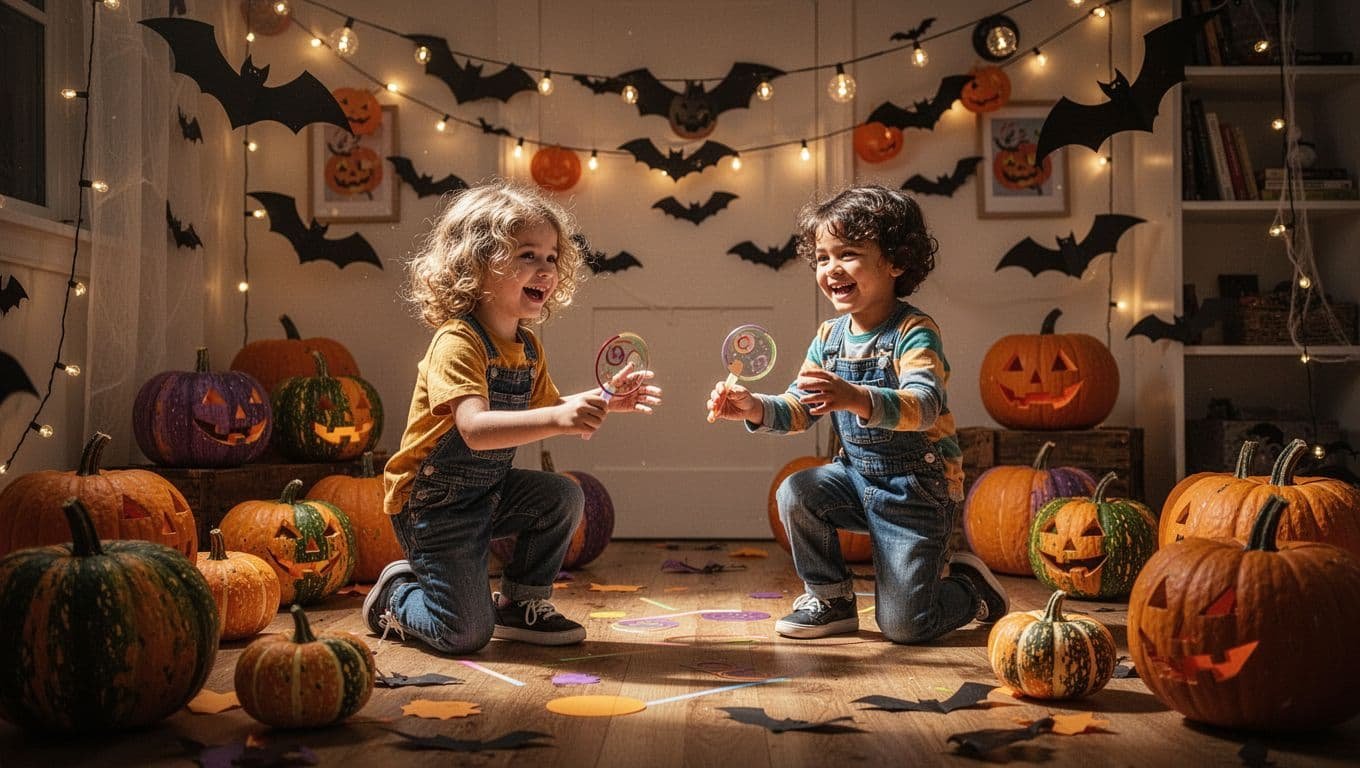
Active games work well in a living room, classroom, backyard, or community room. Mark the play area first, move fragile objects, and keep each round short. Children who don’t want to run can count points, hold a timer, decorate the finish line, or join a walking version.
Mummy Wrap Race With Toilet Paper
Divide children into teams of two or three. One child becomes the mummy while teammates gently wrap them in toilet paper, leaving the face clear. Set a two-minute timer, then ask everyone to stop when the time ends.
If the paper tears, the team can restart that section instead of losing the entire round. This keeps the game light and prevents tears from turning into arguments. Award points for the fastest wrap, funniest mummy, or most creative design, so winning depends on more than speed.
Use recycled paper or inexpensive toilet paper, and remind children not to wrap tightly around the neck, chest, or legs. A seated mummy version works well for guests who prefer less movement.
Monster Eyes Spoon Race and Spooky Balloon Catch
For the monster-eye relay, give each child a spoon and a ping-pong ball. The child walks or races to a marker, turns around, and returns without dropping the “eye.” Younger children can hold the spoon with both hands or walk instead of race.
Next, split guests into teams and give each group one or two light-colored balloons. The goal is to keep the “ghosts” off the floor using hands, elbows, or gentle taps. Play in an open area without sharp decorations, glass, or crowded furniture.
Use lightweight materials only. Add challenge for older children by limiting the play area or adding a second balloon, while younger guests can catch and toss from a seated position.
Witch Broom Limbo and Halloween Freeze Dance
Hold a broomstick horizontally while children take turns moving underneath it. Lower it slightly after each round, but keep the height comfortable for the youngest players. Children can bend, step sideways, or simply walk beneath it.
For freeze dance, play upbeat Halloween music and pause it every 20 or 30 seconds. Everyone freezes when the music stops. Call out playful poses such as “friendly monster,” “skeleton,” or “sleepy bat.”
Children who dislike performing can freeze with a partner or hold a prop. A wide range of familiar party formats also appears in these Halloween game ideas for kids, including freeze dance and mummy games.
Creative Halloween Games for Kids Who Like to Make and Explore
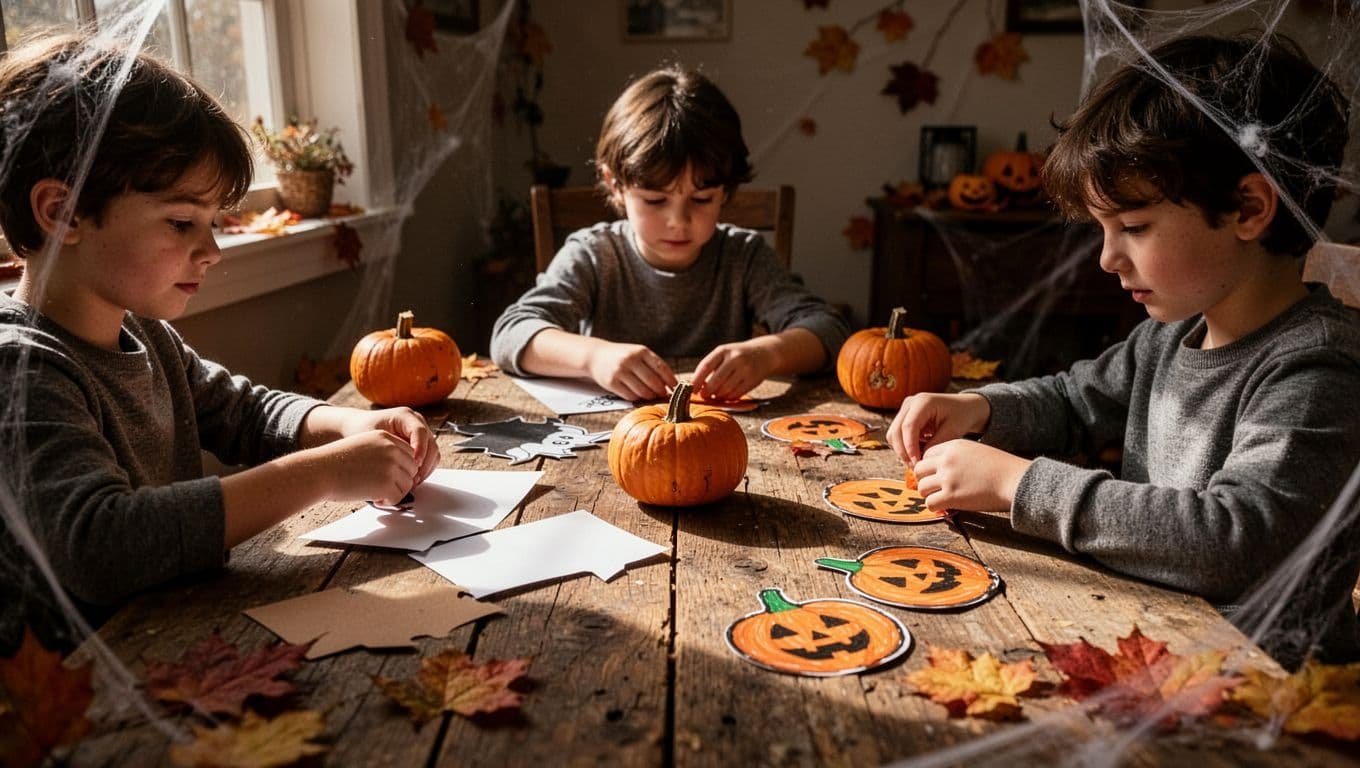
Quiet activities give children time to reset after active games. Prepare several small stations instead of one long craft line. That way, children can work alone, with a partner, or in a small group without waiting too long.
Halloween Scavenger Hunt With Friendly Clues
Hide toy pumpkins, paper ghosts, stickers, or wrapped non-food prizes around the house or yard. Preschoolers can follow picture clues, while older children can solve short written clues. Keep the boundaries clear and avoid hiding items near stairs, bathrooms, or locked doors.
A team version pairs older children with younger guests. Use bright lights and cheerful decorations instead of a dark, frightening setting. Children who dislike spooky themes can search for colorful pumpkins, friendly monsters, or fall leaves.
Give each team five to eight items to find. A short hunt keeps the focus strong and leaves time for another activity.
Monster-Making Contest in Twenty Minutes
Place cardboard, colored paper, fabric, yarn, markers, glue, tissue paper, and wiggle eyes on a table. Groups can build a funny, friendly, or spooky monster in 20 minutes, then give it a name and a brief presentation.
Keep the rules open. A child might draw the face, cut shapes, choose colors, or tell the monster’s story. Children can discover their talents when an activity allows different ways to contribute.
Give awards for the funniest monster, most colorful design, best story, and strongest team effort. Avoid ranking every group from first to last. Recognition feels more welcoming when each team has a chance to receive positive feedback.
Halloween Bingo and Pumpkin Decorating
Make picture-based bingo cards with pumpkins, bats, ghosts, candy corn, black cats, and witch hats. Call out pictures instead of words for younger children. Use stickers, stamps, or small pencils as prizes.
For a creative station, offer pumpkin painting, sticker decorating, or paper pumpkin crafts. Skip carving for young children, and provide adult help whenever sharp tools are involved. Small prizes can include glow bracelets, temporary tattoos, stamps, or the chance to choose the next song.
These options also help children who don’t enjoy competition. A child can decorate quietly while others play a louder game nearby.
Simple Halloween Party Games for Different Ages and Group Sizes
Age, attention span, room size, and guest count should guide your choices. Plan short rounds of five to ten minutes, then switch activities before children lose interest. A few adaptable games are more useful than a long schedule that leaves no room for breaks.
Best Choices for Toddlers and Preschoolers
Young children usually respond well to a tape spiderweb walk, ghost balloon catch, picture bingo, paper crafts, and a simple treasure hunt. Make a spiderweb with painter’s tape on the floor, then invite children to walk along the lines or step over them.
Keep masks, loud surprises, and dark rooms out of the plan. Choose large craft materials and supervise anything small enough to become a choking hazard. For preschoolers, one clear instruction at a time works better than a long explanation.
Best Choices for Elementary-Age Kids and Tweens
Elementary-age children often enjoy mummy races, spoon relays, monster-building challenges, clue-based hunts, and Halloween freeze dance. Older children may also like a blind touch-and-guess game with safe objects such as cotton balls, rubber toys, or peeled grapes, but ask parents before using food.
Trick-or-treat task cards add a little challenge. A card might ask a child to walk like a zombie, name a friendly monster, or find something orange. Older guests can solve harder clues, keep score, or lead a team without taking every turn.
How to Keep a Mixed-Age Party Fair and Fun
Pair older and younger children when a game requires reading, searching, or teamwork. Cooperative teams often work better than elimination games because no child has to sit out for long.
Offer active and quiet stations at the same time when possible. Rotating through short games prevents boredom and gives children a chance to choose their comfort level. Several award categories also spread attention beyond the fastest runner.
A host can invest in yourself by practicing calm communication and setting realistic expectations before guests arrive. Children notice when adults keep the mood steady, fair, and welcoming.
How to Make Halloween Party Games Safe, Easy, and Low-Stress
Good preparation prevents most party problems. Before guests arrive, check the floor for cords, loose rugs, small objects, and sharp decorations. Keep food away from craft supplies, and ask parents about allergies before serving snacks or using food in a game.
Use battery-powered lights, washable materials, and decorations that won’t fall into the play area. Children should always be allowed to skip a game that feels too loud, scary, crowded, or physically uncomfortable. Spooky details should stay optional.
Set Up the Space and Supplies Before Guests Arrive
Create one supply table with separate containers for each activity. Pre-cut paper, prepare picture clues, inflate balloons, and place prizes in labeled bowls. A backup activity, such as coloring pages or sticker scenes, can fill an unexpected delay.
Mark game boundaries with painter’s tape. Remove fragile items from the room, secure cords against walls, and keep a clear path to the bathroom. If the party is outdoors, check the ground for holes, wet leaves, and low branches.
Use washable markers, child-safe glue, and sturdy paper. Keep cleanup simple by placing a trash bag beside every craft station.
Use Candy and Prizes Without Overdoing It
Candy can be part of Halloween, but it doesn’t need to drive every game. Offer stickers, pencils, stamps, glow bracelets, temporary tattoos, or the chance to select the next song.
Check allergies before serving food, and don’t use blind tasting games unless every parent has approved them. Keep prizes small and frame them as playful recognition rather than a reason to compete intensely.
A child who counts points, helps clean up, or encourages a teammate deserves praise too. That approach supports the same kind of steady confidence encouraged by building a continuous learning habit, where effort and participation matter alongside results.
Frequently Asked Questions
How many games should I plan for a children’s Halloween party?
Plan three or four main activities for a two-hour party, plus one quiet backup. Most children need a snack, bathroom break, and unstructured time between games. A flexible schedule works better than forcing every activity.
What can I use instead of toilet paper for the mummy game?
Crepe paper, wide fabric strips, or streamers can work well. Choose materials that tear easily and never wrap tightly around a child’s body. Children can also decorate a cardboard mummy instead.
How can I include a child who feels shy?
Give the child a low-pressure role, such as holding the music, passing out cards, or joining a small team. Let them watch the first round before deciding. Avoid requiring every guest to perform alone.
Can these games work at an outdoor Halloween party?
Yes. Outdoor space works well for scavenger hunts, spoon walks, balloon catch, and broom limbo. Bring an indoor backup because wind, rain, cold temperatures, or darkness can change the plan quickly.
How do I make the party less scary?
Use friendly faces, bright lighting, cheerful music, and funny names for the games. Avoid jump scares, frightening masks, sudden loud sounds, and activities that force children into dark spaces.
A Friendly Halloween Party Needs Few Supplies
A successful party doesn’t need elaborate decorations or complicated rules. Choose one active game, one creative activity, one quiet backup, and a short snack or prize break.
Follow the children’s energy, adjust the rules when needed, and let spooky fun remain optional. When every guest has a comfortable way to participate, the party becomes memorable for the right reasons.
Save the pin for later

- 8 Signs Your Ex Is Testing You And What It Really Means - September 18, 2026
- 12 Qualities Every Good Man Should Have - September 18, 2026
- How to Write a Dating Profile for a Woman Over 45: 9 Simple Steps - September 18, 2026