 Orji Chigozie Henry
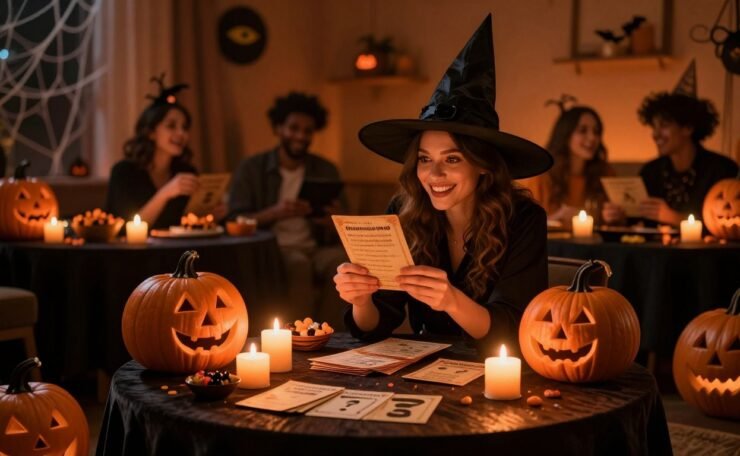
A great party doesn’t need expensive props or a packed schedule. A Halloween questions game gives people an easy reason to laugh, talk, and show off random spooky knowledge.
It works for kids, families, classrooms, coworkers, and adult gatherings. Mix Halloween facts with movies, costumes, and personal prompts, then shape the rules around your group.
Key Takeaways
- A Halloween quiz can be competitive, conversational, or a mix of both.
- Use easy, medium, and challenge questions so every guest can join in.
- Family groups do well with candy, pumpkins, costumes, and friendly monster themes.
- Timers, themed teams, and small prizes add energy without adding much work.
- Keep questions inclusive, skip overly scary content, and accept reasonable answers.
How to Play a Halloween Questions Game
A Halloween questions game is a simple trivia or conversation activity built around Halloween history, folklore, movies, costumes, candy, and memories. One person hosts, reads questions, keeps the pace moving, and reveals the answers.
Start by choosing individual players or teams. Give each team paper and a pen, or let them submit answers through a shared phone note. Set a short time limit, read one question at a time, and award points after each round.
A simple order keeps the game organized:
- Divide guests into teams or let everyone play solo.
- Choose a time limit, such as 20 seconds per question.
- Read the question and collect answers.
- Reveal the answer, then award points.
- Add scores after each round and announce the winner.
For a quieter gathering, replace factual questions with open-ended prompts. People can share favorite costumes or funny trick-or-treat memories without worrying about a scoreboard.
Simple Rules for Teams, Solo Players, and Large Groups
Two teams work well for a living-room party. However, a classroom or workplace event may need teams of four to six people so nobody gets left out. Virtual groups can use a chat box, a polling app, or a private message to the host.
Give one point for standard answers. Save two-point bonus questions and tie-breakers for later. Accept answers that mean the same thing, avoid movie spoilers, and move on quickly after disagreements.
Friendly competition depends on respectful conversation. That mindset also supports better communication habits when guests disagree or need clarification.
What You Need Before the Game Begins
Prepare a question sheet, answer key, pens, scorecards, and a timer. Small prizes are optional, but candy bags, glow sticks, novelty vampire teeth, or first choice of dessert work well.
Arrange seats so every player can hear the host. Before guests arrive, read each question aloud once. If a question sounds confusing, rewrite it before the game starts.
Halloween Questions Game Categories That Keep Everyone Interested
A varied question bank prevents the confident horror fan from taking over the entire night. Include classic Halloween history, folklore, symbols, costumes, movies, traditions, and a few light personal prompts.
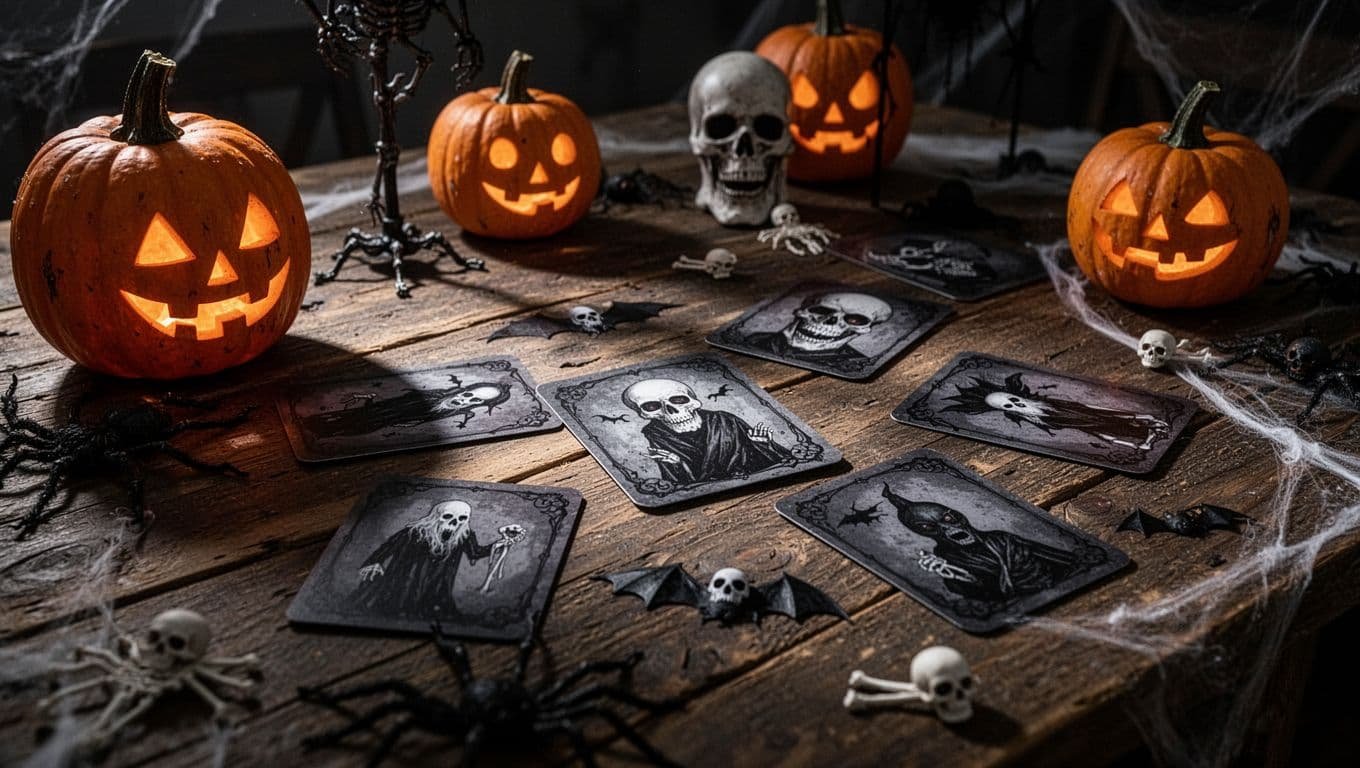
Mix easy questions with harder ones. Someone may know every classic monster but not remember the origins of jack-o’-lanterns. A balanced round gives different people a chance to contribute. For more ideas, browse these Halloween trivia questions and answers across candy, music, movies, history, and pop culture.
Halloween Trivia Questions for Kids and Families
Keep younger players smiling with pumpkins, costumes, candy, black cats, bats, and friendly ghosts. Avoid frightening images or questions that depend on scary movies.
Try questions such as:
- What color are pumpkins usually?
- Which animal is often shown with a witch?
- What do children say when they visit a house for candy?
- What vegetable is commonly carved into a jack-o’-lantern?
Answers should feel familiar and achievable. A child who gets an answer wrong can still earn a point for a funny costume description or a creative drawing round.
Spooky Trivia for Teens and Adults
Older groups can handle classic horror films, fictional monsters, haunted locations, urban legends, and cultural traditions. Use multiple-choice questions when you want a fast pace, then add true-or-false or open-ended questions for variety.
Check movie ratings before adding film questions. A group that loves Hocus Pocus may not want references to graphic slasher scenes. You can find more category ideas in this collection of Halloween trivia questions, including history, movies, and fun facts.
A difficult question is fun only when guests can learn the answer and keep playing without feeling shut out.
Halloween Conversation Questions and Would You Rather Prompts
Conversation questions turn the game into an easy icebreaker. Ask, “What costume would you wear if money and time didn’t matter?” or “Which candy combination sounds strange but tastes good?”
Would-you-rather prompts also work well: Would you rather spend a night in a haunted house or walk alone through a foggy corn maze? Let people skip questions that feel too personal. The goal is shared laughter, not putting anyone on the spot.
Ways to Make Your Halloween Trivia Game More Fun
Small changes can make the same question set feel fresh. Use themed team names, a 30-second timer, spooky sound effects, picture clues, or a round where players identify a movie from a short quote.
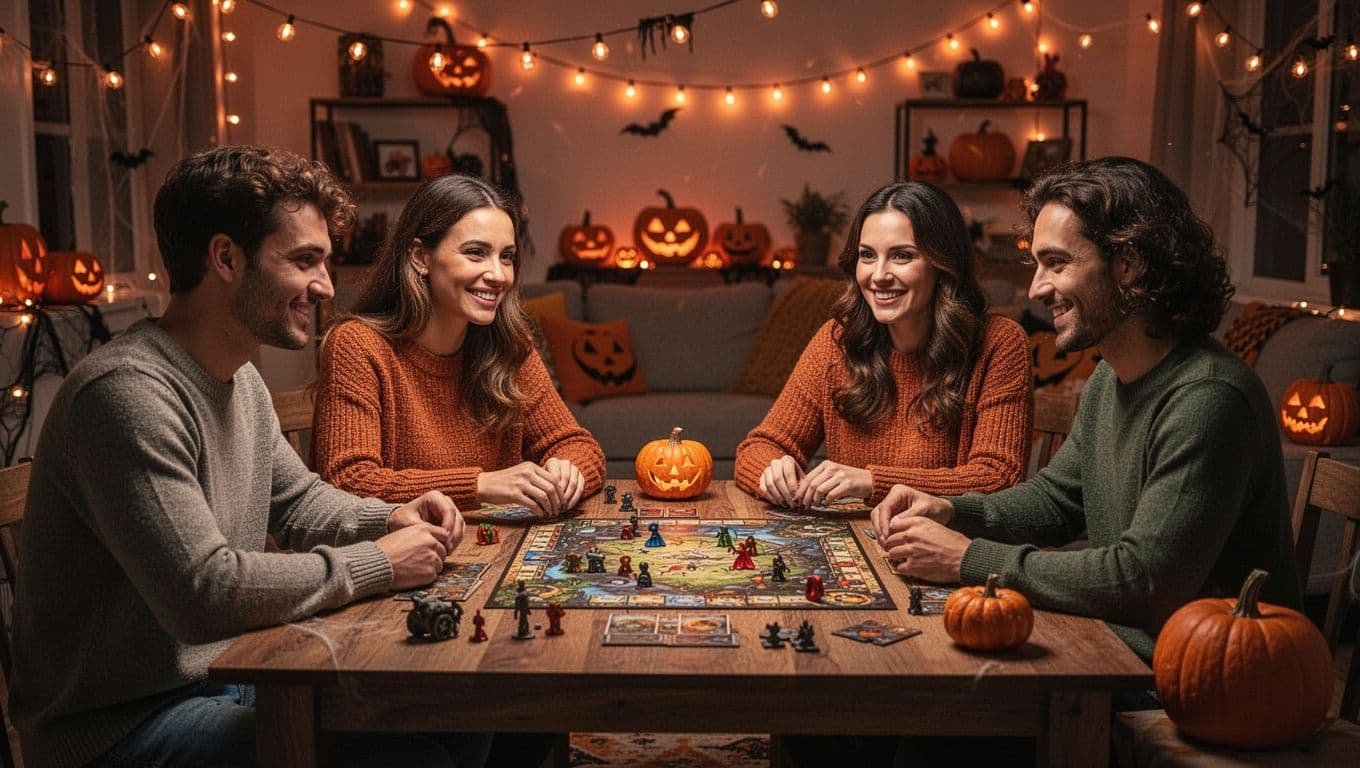
Add one active break between question rounds. Halloween charades, a movie-guessing challenge, or a quick scavenger hunt gives people a chance to move before they sit down again.
Scoring, Tie-Breakers, and Prize Ideas
Keep score on one visible sheet. Award one point for each correct answer and one bonus point for a challenging prompt. A clear score system makes a Halloween questions game easier to follow, especially with larger teams.
For a tie-breaker, have finalists guess the number of candies in a jar or estimate a pumpkin’s weight. You can also ask a sudden-death question with one factual answer.
Choose prizes that feel lighthearted. A candy bag, mini candle, fake spider ring, or the right to select next year’s first category is enough. Avoid prizes that create pressure or make losing feel embarrassing.
How to Choose Questions for Different Audiences
Children need familiar themes and clear wording. Families often enjoy a mix of candy, costumes, cartoon monsters, and broad Halloween facts. Coworkers may prefer movie quotes, harmless team names, and short rounds.
Adult-only parties can include more challenging horror references, but every guest still deserves a comfortable experience. Avoid questions that embarrass people, assume private experiences, or expect everyone to celebrate Halloween.
A good set has familiar questions plus a few surprises. Brain games also give groups a low-stakes way to practice critical thinking skills together.
A Ready-to-Use Halloween Questions Game Plan for Any Party
Use three rounds of 10 questions for a format that takes about 30 minutes. Begin with general Halloween facts, shift to movies or folklore, and finish with rapid-fire questions or conversation prompts.
Teams of two to four people are ideal. Take a short break between rounds, and let the host remove any question that doesn’t match the group.
A Three-Round Format That Takes About 30 Minutes
Spend eight minutes on a warm-up round with pumpkins, candy, costumes, and trick-or-treating. Next, allow 10 minutes for Halloween traditions, folklore, or movie questions. Finish with seven minutes of rapid-fire questions or playful personal prompts.
Use the final five minutes for score totals and a tie-breaker. Announce scores with a relaxed tone, especially when some guests came to socialize more than compete.
Common Hosting Mistakes to Avoid
Don’t fill every round with obscure facts. Test questions before the party, prepare an answer sheet, and use a timer so one debate doesn’t stall the game.
Also, avoid vague wording. If a question has several plausible answers, give teams credit or rewrite it. Guests are more likely to speak up and participate when the rules feel fair, which can help them practice stepping outside their comfort zone.
Frequently Asked Questions
How many questions should a Halloween game include?
Plan for 20 to 30 questions for a 30-minute game. Add five backup questions in case a round moves faster than expected.
Can a Halloween questions game work without prizes?
Yes. Many groups enjoy playing for bragging rights, a handmade paper crown, or the chance to choose the next activity. A prize is optional when the mood is already fun.
What is a good age for Halloween trivia?
Children around age six can answer simple questions about colors, candy, and costumes. Adjust the difficulty as players get older, and keep horror content separate from family rounds.
How do you stop one person from dominating?
Use teams and give each group time to discuss answers. You can also rotate who writes the answer or who speaks for the team.
Should guests use their phones during trivia?
Ask everyone to keep phones away during factual rounds. Phones are fine for virtual scorekeeping, music, or a picture clue after the host has set clear rules.
Make the Night About Shared Fun
The best Halloween questions game depends on inclusive questions and a welcoming mood, not expensive supplies. A few well-chosen trivia categories, conversation prompts, and playful variations can keep every guest involved.
Prepare an answer key, keep the pace light, and let the group shape the energy. Shared laughter is a better prize than a perfect score.
Save the pin for later

- 8 Signs Your Ex Is Testing You And What It Really Means - September 18, 2026
- 12 Qualities Every Good Man Should Have - September 18, 2026
- How to Write a Dating Profile for a Woman Over 45: 9 Simple Steps - September 18, 2026