
 Orji Chigozie Henry
Why does a daughter seem to blame her mother for every problem? In many cases, repeated blame reflects a relationship pattern shaped by real childhood hurt, family conflict, emotional neglect, poor coping skills, or a mix of these factors. Some daughters struggle with separation and independence, while others may carry unresolved anger, guilt, or expectations from a parent-child relationship that felt controlling, distant, or emotionally demanding.
These patterns aren’t official personality types or mental health diagnoses, and understanding them doesn’t excuse cruelty, abuse, or refusing to take responsibility. This guide will identify common daughter roles, explain what may drive ongoing blame, and help you distinguish valid accountability from unfair scapegoating. It will also offer practical ways to improve communication and establish healthy communication boundaries, especially when conversations become hurtful.
Key Takeaways
- Blame may reflect unresolved childhood hurt, emotional neglect, controlling behavior, or ongoing family conflict.
- Common patterns include the wounded daughter, dependent daughter, scapegoated daughter, and daughter who struggles with autonomy.
- Valid accountability focuses on specific actions, while unfair scapegoating assigns every problem to the mother.
- Blame cycles often continue when family members avoid responsibility, repeat old accusations, or dismiss each other’s feelings.
- Clear boundaries, calm communication, and establishing family boundaries can help protect the relationship and reduce harmful conflict.
Types of Daughters Who Blame Their Mothers for Everything
Blame can reflect genuine childhood pain, but it can also become a habit that places every adult struggle on one person. These labels describe family roles and coping patterns, not fixed identities. A daughter may fit more than one pattern over time, and understanding the pattern doesn’t excuse cruelty or remove her responsibility.
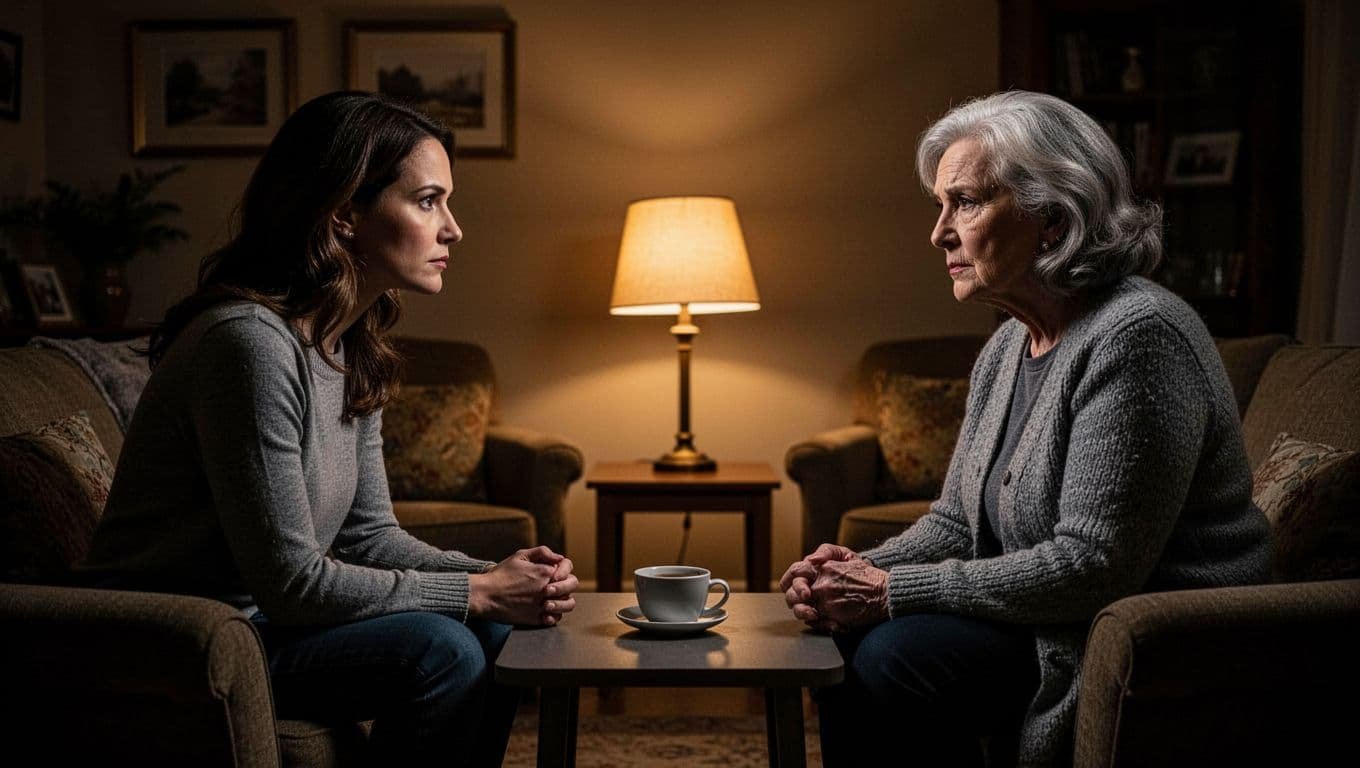
The scapegoat daughter who carries the family’s blame
This daughter grew up as the family’s identified problem. Relatives blamed her for arguments, tension, or disappointment, while siblings received more patience or praise. Constant criticism, comparisons, favoritism, and exclusion can leave her angry at the mother who allowed or reinforced that role.
Some families create a golden-child and scapegoat split. One child appears successful and protected, while another receives blame for issues affecting everyone. In that setting, the daughter’s anger may point to a real pattern of scapegoating.
However, naming past scapegoating differs from blaming a mother for every adult setback. A fair account identifies specific behavior, such as being excluded from family decisions or blamed for a sibling’s actions. Unfair blame turns every disappointment into proof that the mother caused lifelong failure.
The hurt daughter who cannot let go of the past
Harsh discipline, emotional neglect, broken promises, or a lack of support can remain painful long after childhood ends. During a present disagreement, the daughter may return to the same memories: “You never supported me,” or “You always misunderstood me.”
Unresolved grief can connect today’s frustration to yesterday’s wound. A minor disagreement about a visit may suddenly carry the emotional weight of years of feeling ignored. Research on mother-daughter conflict and adjustment also shows that conflict can affect both people, rather than existing as a one-sided issue.
Healing doesn’t require pretending the past was harmless. It does require processing what happened instead of using every old injury as a weapon in current arguments. Therapy, honest reflection, and clear limits can help separate a childhood grievance from a present concern.
The parentified daughter who feels responsible for her mother
Parentification occurs when a child becomes responsible for a parent’s emotions, needs, or stability. She may comfort her mother after every crisis, mediate disputes between relatives, manage the household, care for siblings, or act as the family’s emotional support person.
As an adult, she may feel loyal to her mother yet resent the burden she carried. When life becomes overwhelming, that resentment can emerge as broad blame: “My whole life has been about taking care of you.”
Children shouldn’t have to manage adult problems. Still, healing may involve recognizing the unfair role without making the mother responsible for every later choice.
The conflicted good daughter who swings between loyalty and anger
A highly compliant daughter may hide her needs, follow family rules, and work hard for approval. Over time, suppressed anger can surface through sudden accusations or sweeping statements.
An ambitious or independent daughter may face a different response. If her mother labeled her difficult whenever she challenged family expectations, ordinary independence may later feel like rebellion. Wanting privacy, choosing a career, or setting boundaries isn’t proof of disrespect. A healthier relationship allows both women to acknowledge past hurt while taking responsibility for how they communicate now. Healthy communication and boundaries can help prevent old resentment from controlling every conversation.
Why Adult Daughters May Blame Their Mothers for Every Problem
Repeated blame usually has more than one cause. Past harm, current stress, attachment insecurity, family roles, and mental health symptoms can all shape how a daughter interprets conflict. A mother may have caused real damage, while her adult daughter still has choices in how she responds today.

Unresolved hurt, unmet needs, and a need to be heard
A daughter may use blame because she wants someone to acknowledge what happened. Her accusations may carry a request for an apology, protection, or proof that her experience matters. When she says, “You never supported me,” she may be describing years of feeling dismissed rather than making a precise statement about every event.
Common themes include feeling constantly criticized, lacking emotional support, or believing a sibling received better treatment. Favoritism, comparisons, broken promises, and a mother’s failure to intervene can leave lasting anger. If the mother responds with denial, minimization, or immediate defensiveness, the daughter may feel forced to repeat the accusation louder.
That response can turn one painful memory into a lasting argument. The mother doesn’t have to agree with every detail to say, “I can see why that hurt you.” At the same time, acknowledgment doesn’t require accepting responsibility for events that didn’t happen.
Low self-esteem, anxiety, trauma, and externalizing pain
Externalizing pain means placing the cause of inner distress outside yourself. A daughter struggling with anxiety, depression, trauma, or low self-worth may blame her mother because blame offers a clear target. It can create a temporary sense of control when life feels confusing or overwhelming.
Trauma can also make present situations feel connected to earlier danger. A neutral comment may sound like criticism, especially when the mother used to judge or control her. Current stress, relationship problems, financial pressure, or poor coping skills can add fuel to old resentment.
These struggles can explain a reaction, but they don’t prove that the mother caused every difficulty. A daughter may need support, therapy, and healthy communication boundaries while also examining her own choices. Likewise, a mother can acknowledge harm without accepting unlimited blame.
Poor boundaries, loyalty binds, and different values
Blurred family roles often keep blame alive. Emotional dumping, guilt trips, pressure to take sides, and demands for constant reassurance can make a daughter feel responsible for her mother’s emotions. In families with destructive conflict, children may also get pulled into adult coalitions and feel forced to choose between their parents.
Later disagreements may involve romantic partners, parenting, money, religion, or independence. Generational differences can make these conflicts sharper because each woman may hold different expectations about respect, privacy, and family duty. A mother may view frequent advice as love, while her daughter experiences it as control.
The daughter can set limits without attacking her mother. The mother can respect those limits without treating independence as rejection. When either person refuses that distinction, blame becomes a substitute for honest boundary-setting. For context, research on adult children and parental estrangement also points to emotional abuse and conflicting expectations as factors in damaged family relationships.
How to tell the difference between valid accountability and unfair blame
A daughter may have legitimate reasons to hold her mother accountable, while still responding in harmful ways. The clearest distinction is focus: accountability names specific behavior, describes its impact, and identifies needed change. Unfair blame uses absolute language and treats one person as the cause of every disappointment.
One painful conversation cannot reveal the whole pattern. Look at what happens over time, including whether either person can listen, acknowledge harm, respect boundaries, and make reasonable changes.
Signs the daughter is naming real harm
Valid accountability usually connects blame to a clear event or repeated pattern. The daughter can describe what happened, how it affected her, and what she needs now. Her concerns may involve:
- Abuse, threats, or intimidation.
- Emotional or physical neglect.
- Repeated humiliation, criticism, or comparisons.
- Controlling behavior that limits privacy or independence.
- Broken boundaries, such as reading private messages or ignoring a clear request for space.
- Favoritism, scapegoating, or unequal treatment among siblings.
- Being expected to manage a mother’s emotions, conflicts, or adult responsibilities.
Good intentions don’t erase harmful effects. A mother may have believed she was protecting her daughter, offering advice, or keeping the family together. The daughter can still describe that behavior as controlling, frightening, or emotionally exhausting. Readers who need help recognizing boundary violations may find these signs of a narcissistic mother useful, but no label is required before someone takes harm seriously.
When abuse or intimidation continues, safety comes first. A daughter may need support from a therapist, trusted person, domestic violence advocate, or local crisis service. She doesn’t need to stay in a conversation that feels threatening.

Signs blame has become broad, circular, or destructive
Unfair blame shifts from one action to a total judgment of the mother. The daughter may blame her for unrelated adult choices, change the subject whenever her own behavior comes up, or reject every sincere attempt to repair the relationship.
Threats, insults, public embarrassment, and demands for complete agreement also move a conversation away from accountability. These behaviors can make the mother defensive and leave both people afraid to speak honestly. That doesn’t prove the daughter’s original concern is false. It shows that the current method is damaging the relationship.
| Accountability | Unfair blame |
|---|---|
| Names a specific action or pattern | Uses words such as “always” and “everything” |
| Describes personal impact | Assigns responsibility for every problem |
| Requests repair or changed behavior | Demands agreement, punishment, or surrender |
| Allows room for both perspectives | Rejects context and refuses discussion |
Questions both people can ask before responding
Before answering, pause and ask:
- What exact event are we discussing?
- What did I need at that time?
- What part belongs to me now?
- Am I asking for repair, punishment, or control?
- Is this conversation safe and useful?
These questions slow reactive arguments and separate childhood pain from the current issue. A mother can acknowledge harm without accepting unlimited blame. A daughter can honor her history while taking responsibility for how she speaks, what she demands, and what she chooses next. Clear limits and healthy relationship boundaries can protect both people when repair remains possible.
What mothers and daughters can do when blame keeps repeating
A repeating blame cycle changes only when both people focus on specific behavior, present needs, and personal responsibility. One person cannot repair a relationship alone, especially when the other refuses to listen or change.
A healthier response for mothers
A mother can begin with curiosity instead of defending every detail:
“I want to understand what hurt you. I may remember it differently, but I will listen.”
Listening without interrupting doesn’t mean agreeing with every claim. It means acknowledging the daughter’s emotional experience before correcting facts. Saying, “I can see that you felt unsupported,” may open the conversation more effectively than immediately saying, “I did my best.” That phrase can sound dismissive when it comes before acknowledging harm.
A mother can also:
- Apologize for a specific action and its impact when an apology is appropriate.
- Stop guilt-tripping, keeping score, or reminding her daughter of past sacrifices.
- Respect an adult daughter’s privacy, schedule, partner, parenting choices, and need for space.
- Avoid recruiting siblings or relatives to take sides.
- Set a clear limit when the conversation includes insults, threats, or yelling.
For example, she might say, “I want to continue this conversation, but I won’t stay on the phone while we’re insulting each other. We can try again tomorrow.”

A healthier response for daughters
Daughters can make difficult conversations more productive by discussing one behavior at a time. Explain what happened, describe its impact, and state what you need now.
“I felt criticized when you commented on my parenting. Please don’t offer advice unless I ask for it” is clearer than “You ruin everything.” Writing down thoughts first can reduce sweeping accusations. Use “I” statements, then pause instead of sending repeated angry messages when emotions rise.
A daughter can also recognize her adult choices. Her mother may have influenced her early life, but she cannot be responsible for every decision, relationship, or setback that follows. Forgiveness is optional. Reconciliation requires safety, accountability, and consistent change. Healing can still happen if her mother never responds as hoped.
Individual therapy may help either person process anger, grief, or guilt. Family therapy with a qualified professional can help when both women feel safe and willing to participate. Ongoing abuse, threats, or severe manipulation may require low contact or no contact.
Boundaries that protect the relationship and personal well-being
A boundary describes what you will do, not what you can force someone else to do. “If you yell, I’ll end the call” is a boundary. “You must never get angry” is a demand.
Useful limits might include ending conversations after personal attacks, declining surprise visits, keeping private information confidential, refusing loans, and stopping repeated arguments about the past. State the limit calmly, name the consequence, and follow through consistently. Boundaries should protect well-being, not punish or threaten the other person. These personal boundaries in relationships become meaningful only when your actions match your words.
Frequently Asked Questions
Questions about mother-daughter blame rarely have simple answers. The same accusation can reflect genuine harm, unresolved grief, poor communication, or a conflict pattern that both people reinforce. These answers can help you assess what is happening without excusing abuse or dismissing valid pain.
Is it normal for daughters to blame their mothers?
Conflict and anger can occur in close relationships, especially when old hurt has never been discussed. A daughter may still feel affected by criticism, neglect, control, or favoritism years later.
However, repeated absolute blame is not automatically healthy. Statements such as “everything is your fault” may hide a real need to be heard, but they can also prevent honest responsibility. Look at the family history, the specific behavior involved, and how both people act during current disagreements.
Does a daughter’s blame always mean the mother did something wrong?
Blame alone is not proof. Examine the specific events, repeated patterns, available evidence, and the impact on the daughter. Did the mother dismiss concerns, violate boundaries, or refuse to listen when her daughter explained the problem?
At the same time, a daughter may describe real harm that other relatives never saw. A mother can remember an event differently while still taking the daughter’s experience seriously. The goal is careful accountability, not an automatic verdict for either person.
How should a mother respond when her daughter says everything is her fault?
A mother should stay calm and ask for specific examples. She might say, “Which situation are you referring to?” and then listen for the need beneath the accusation, such as respect, safety, privacy, or an apology.
Acknowledge valid harm without agreeing to false or exaggerated claims. If the conversation includes insults, threats, or intimidation, end it clearly and return to the issue only when both people can speak respectfully. Healthy communication boundaries can make that limit easier to maintain.
Can a mother and daughter repair their relationship after years of blame?
Repair is possible when both people show honesty, accountability, and changed behavior. Progress usually happens through small, consistent actions rather than one emotional conversation. Research on mother-adult child estrangement also shows that contact and closeness can shift across major life transitions.
Both women must stop repeating harmful roles. When direct conversations keep failing, individual or family therapy can provide structure and help each person speak without restarting the same argument.
What if the relationship is emotionally or physically unsafe?
Safety comes before reconciliation. Create distance, tell a trusted person what is happening, and document serious threats when doing so is safe. If there is immediate danger, contact local emergency services or a domestic violence resource.
No one must remain in an abusive conversation or relationship, even when the person involved is a parent or child.
Can a daughter heal without getting an apology from her mother?
An apology can help, but healing cannot depend entirely on another person’s insight or cooperation. Therapy, journaling, grief work, support groups, self-compassion, and firm boundaries can help a daughter process what happened and choose what contact feels safe.
Conclusion
Daughters who blame their mothers for everything may be responding to scapegoating, unresolved hurt, parentification, suppressed anger, mental health struggles, or a family pattern they learned early. These patterns can explain repeated blame, but they don’t excuse insults, threats, manipulation, or refusing to accept adult responsibility.
The most useful labels create understanding rather than fresh blame. Focus on specific behavior, honest accountability, and clear limits when discussing the past or handling current conflict. Healthy relationship habits such as listening without interruption, taking a pause, and returning to one issue can support more respectful conversations.
A healthier mother-daughter relationship may involve repair and consistent change. It may also require more distance, limited contact, or accepting that change isn’t possible right now. Safety and emotional well-being should guide every decision.
Save the pin for later


- Why Do Married Men Look at Other Women - September 14, 2026
- Types of Daughters Who Blame Their Mothers for Everything - September 14, 2026
- 7 Signs You Mean a Lot to Him Based on His Actions - September 11, 2026