
 Orji Chigozie Henry
Feeling lonely while sharing a home, routine, and future with someone can be confusing and painful. Loneliness in a relationship doesn’t always mean the relationship is over, but it does signal that connection, attention, or emotional support may be missing.
You can start by naming what you need, choosing a calm time to talk, and listening without blaming either partner. Small, consistent efforts can help rebuild closeness, while strengthening connection with your partner may give you practical ideas to try together. If the distance continues, professional support or a safety plan may be needed, especially when there is fear, control, or emotional harm. Start by identifying when you feel most alone and what you wish your partner understood.
Key Takeaways
- Feeling lonely in a relationship often points to unmet emotional needs, not an immediate need to end things.
- Identify when loneliness appears, then explain your feelings with clear, non-blaming language.
- Rebuild connection through small habits, such as distraction-free time, daily check-ins, and shared activities.
- Maintain friendships, hobbies, and personal support so your partner isn’t your only source of connection.
- If loneliness continues, consider counseling and review signs it is time to walk away, especially when fear, control, or repeated emotional neglect is present.
What to Do When Feeling Lonely in a Relationship
Feeling lonely in a relationship can come from missing emotional intimacy, quality time, affection, attention, shared meaning, or the feeling that your partner understands you. Before assuming your partner doesn’t care, pause and look at what is actually happening.
Use this simple sequence:
- Notice when the loneliness appears.
- Name the unmet need beneath it.
- Choose a calm time to talk.
- Make one clear, specific request.
- Check what changes over time.
Identify What Your Loneliness Is Telling You
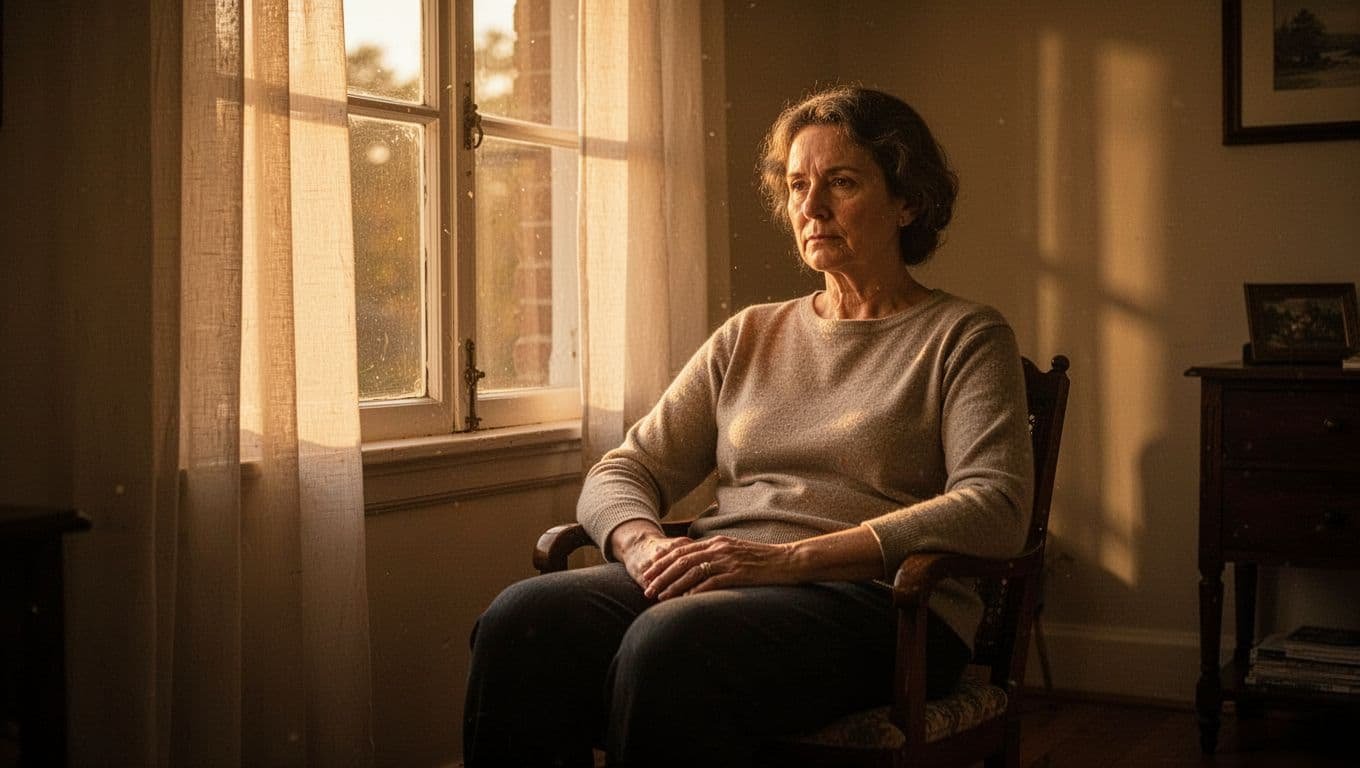
Pay attention to the moments when you feel most alone. Does the feeling show up after your partner dismisses your concerns, when you spend every evening on separate screens, or when you stop sharing your thoughts? These details help you describe the problem without turning it into a general attack.
You might realize that you don’t need constant attention. You may need one uninterrupted conversation each day, more physical affection, or regular time to enjoy something together. Research describes relationship loneliness as a gap between the connection you want and the connection you experience. Research on loneliness and social relationships also shows why recognizing that gap matters.
Talk About the Need, Not Your Partner’s Character
Bring up the subject when neither of you feels rushed or angry. Use language such as, “I’ve been feeling disconnected lately, and I miss having meaningful time together.” Then make a request your partner can understand: “Could we put our phones away and talk for 20 minutes after dinner three nights this week?”
Listen to your partner’s response, too. They may feel stressed, rejected, or unaware of your loneliness. A useful conversation should create room for both experiences.
Build Connection Inside and Outside the Relationship
Small habits can restore closeness, but your partner cannot meet every emotional need. Keep friendships, family ties, hobbies, and personal support in your life. These connections reduce pressure on the relationship and give you more emotional resources.
If your partner repeatedly mocks your feelings, refuses every conversation, or uses silence and control to punish you, take that seriously. Review these relationship red flags and judge the pattern, not one difficult evening. Then watch what changes after you communicate clearly. Consistent effort matters more than a single apology.
Understand Why You Feel Alone Before Trying to Fix the Relationship
Loneliness is a feeling, not a complete explanation. You may feel alone because conversations stay practical, conflict never gets repaired, phones or work take over shared time, or affection has declined. A major life change can also create distance, while stress, grief, anxiety, low self-esteem, or depression may affect how connected you feel.

Look for the Specific Need Beneath the Loneliness
Loneliness becomes easier to discuss when you identify what you miss. Wanting more time together is different from wanting deeper conversation, reassurance, physical touch, appreciation, teamwork, sexual connection, or emotional safety.
Broad statements such as “We never connect” can make your partner defensive. Turn them into one clear need and one practical request:
- “I miss us” can become, “Could we spend 30 minutes together without our phones tonight?”
- “You don’t care about me” can become, “I need you to ask how my day went and listen before offering advice.”
- “We aren’t intimate anymore” can become, “I’d like us to talk about affection and physical closeness without pressure.”
- “I feel unsupported” can become, “Could you handle bedtime tonight so I can rest?”
The goal is to name the missing form of connection, not prove who caused the distance. A partner who understands your emotional needs has a fair chance to respond, while you gain clearer information about your compatibility. You can also review these signs he is the right one when considering whether the relationship supports your emotional well-being.
Notice Patterns Without Blaming Yourself or Your Partner
For one week, write down when loneliness appears, what happened beforehand, how you responded, and whether you clearly expressed what you needed. Notice whether you withdraw, criticize, overwork, stay silent, or seek reassurance in ways your partner may not understand.
Ask yourself:
- What do I miss most?
- When did this begin?
- Do I feel lonely only with my partner, or elsewhere too?
- What would help me feel closer?
A difficult season differs from repeated dismissal, contempt, manipulation, or fear. Those patterns deserve serious attention, especially when your partner has had a fair chance to understand and still refuses to engage.
How to Talk to Your Partner About Feeling Lonely
Choose a calm, private moment when neither of you is rushing or already upset. A conversation about loneliness needs room for honesty, not the pressure of an argument. Start with your experience, explain what you need, and invite your partner to share their perspective.
Use Words That Invite Connection Instead of Defensiveness
Blaming language can make your partner focus on defending themselves instead of hearing your pain. Replace broad accusations with a clear description of the effect, the need beneath it, and a realistic request.
For example, replace “You never listen” with, “I need ten minutes of focused time tonight to talk about my day.” You might also say, “I’ve been feeling lonely lately, and I miss feeling close to you. Could we sit together without our phones after dinner?”
Avoid words such as “always” and “never,” and don’t bring up every past mistake at once. Stay with one current issue so the conversation has a fair chance to move forward. The Gottman Institute’s advice on relationship loneliness also emphasizes approaching the subject with honesty and openness.

A natural opening might sound like this:
“I care about us, so I want to talk about something difficult. I’ve been feeling alone in the relationship. Could we try having 20 minutes of phone-free time together three evenings this week?”
Listen for What Your Partner May Be Experiencing
Make the conversation two-sided by asking, “How have you been feeling about our connection?” Your partner may be dealing with stress, low energy, pressure at work, or unmet emotional needs of their own. Ask curious questions, and let them finish before responding.
Listening doesn’t mean agreeing with every claim. Validation means showing that their feelings make sense from their point of view, even when you remember events differently. You can say, “I understand why you felt shut out,” before explaining your experience.
One talk may not repair years of distance. Agree on one small next step, such as a daily check-in or shared walk, then choose a time to revisit the conversation. If your partner repeatedly refuses to engage, review signs of emotional distance and consider whether outside support is needed.
Rebuild Emotional Intimacy With Small, Repeatable Habits
Emotional closeness usually returns through consistent small moments, not one dramatic date or one intense conversation. Choose two or three habits that fit your life, practice them together, and review what helps after a few weeks. The goal is steady attention, not perfection.
Create Quality Time That Feels Emotionally Present
Being in the same room doesn’t always create connection. If one person is answering messages while the other watches television, you share space without sharing attention. Set aside distractions, put both phones away, and choose a simple activity such as taking a walk, cooking dinner, or sitting together with coffee.
A short conversation ritual can work well when life feels crowded. Try ten phone-free minutes after dinner, a morning check-in, or one honest feeling before bed. Move beyond “How was your day?” with questions such as:
- “What has been on your mind lately?”
- “What helped you feel cared for this week?”
- “What felt difficult today?”
- “What are you looking forward to?”
Couples with children may need a shorter routine after bedtime. Partners with demanding jobs can schedule a weekend walk, while long-distance couples might use a regular video call or voice message. Different social or emotional needs also matter, so agree on a rhythm that gives both partners enough connection and personal space. These daily habits for a better relationship can help turn attention into a dependable part of your routine.

Bring Back Affection, Appreciation, and Shared Meaning
Small affection can remind you that you’re partners, not only housemates. Offer a longer hug, hold hands, share a laugh, or greet each other warmly. Physical affection should always feel welcome and mutual, never demanded or used to avoid a needed conversation.
Appreciation works best when you name the action. Say, “Thank you for handling pickup today,” instead of offering vague praise. You might also create a weekly at-home date, revisit a favorite ritual, or work toward a shared goal. Gifts, sex, and grand gestures can add warmth, but they shouldn’t cover unresolved hurt or replace honest communication. Consistent thoughtfulness matters more than an impressive one-time effort.
Build Support While Deciding What the Relationship Needs
Your partner should not be your only source of comfort, identity, or social contact. Reconnect with a trusted friend or family member, join a group, return to a meaningful interest, or create a simple self-care routine. Outside support won’t repair the relationship by itself, but it can reduce isolation and help you think clearly.
Know When Couples Counseling or Individual Therapy May Help
Consider professional support when loneliness continues after honest conversations, conflicts repeat without repair, trust has been damaged, or a major life change has created distance. Counseling can also help when you struggle to express your needs or your conversations quickly become defensive.
Couples counseling gives both partners a structured place to speak, listen, and understand the patterns keeping them stuck. It isn’t proof that the relationship has failed. A licensed professional can help you practice healthier communication, address unresolved hurt, and decide whether both partners are willing to rebuild.
Individual therapy may be a better starting point when loneliness connects with depression, anxiety, grief, attachment fears, or low self-worth. A therapist can help you understand your reactions and strengthen your ability to set healthy boundaries in a relationship. You can also learn more about how therapy may help when weighing whether a marriage is ending.
Choose a licensed mental health professional with relevant experience, such as couples therapy, trauma, or relationship concerns. If there is danger, abuse, coercive control, or a risk of self-harm, prioritize urgent local help, emergency services, or a crisis line instead of arranging a joint session. Individual therapy and relationship loneliness can be useful, but safety comes first.

Decide What You Need if Nothing Changes
Judge the relationship by its pattern over time, not by one difficult day. Set a respectful check-in period and write down the changes you need to feel emotionally safe and connected. Look for curiosity, accountability, follow-through, repair after conflict, and a willingness to seek help.
Repeated dismissal, ridicule, indifference, stonewalling, threats, controlling behavior, or refusal to try are serious warning signs. Ordinary emotional distance may improve with effort, while emotional abuse creates fear and removes your freedom. Decide whether to stay, take space, or leave with support from a therapist or trusted person, rather than panic or pressure.
Frequently Asked Questions
Feeling lonely in a relationship can raise difficult questions about love, communication, and your future together. These answers can help you understand your feelings and choose a sensible next step.

Is it normal to feel lonely even when you love your partner?
Yes. Love and loneliness can exist at the same time when your emotional needs, attention, affection, or shared time don’t line up with what you receive. Research also shows that perceived isolation can increase vulnerability and the desire to reconnect, as described in this review of loneliness research.
Your loneliness deserves attention, but it doesn’t automatically prove that your love has disappeared. Treat the feeling as information about your experience, then look for the need beneath it.
Should I tell my partner that I feel lonely?
Share it when you can speak safely and calmly. Lead with your personal experience, such as, “I’ve been feeling disconnected, and I miss having meaningful time together.” Then add one specific request, such as a weekly date or a phone-free conversation.
If you fear retaliation, threats, violence, or financial punishment, don’t confront your partner alone. Speak confidentially with a trusted person, therapist, domestic violence advocate, or local support service first.
What if my partner says I am overreacting?
Your partner doesn’t need to experience the relationship the same way for your feelings to be real. Stay focused on the need rather than arguing over whether your loneliness is justified.
Pay attention to what happens next. A caring response includes some willingness to understand, discuss the problem, and try a reasonable change. Repeated ridicule or dismissal gives you important information about the relationship.
Can spending more time together fix relationship loneliness?
More hours together won’t help if you remain distracted, emotionally closed off, unaffectionate, or unsafe. Sitting beside each other while using separate screens can increase the sense of distance.
Choose activities that create attention and conversation, such as walking, cooking, or sharing a weekly check-in. Honest discussion matters more than simply adding time.
When is loneliness a sign that I should leave?
Loneliness alone doesn’t provide a universal answer. Consider whether your partner responds with care and effort, or whether the relationship shows a lasting pattern of neglect, contempt, coercion, fear, or refusal to change.
If you feel unsafe, seek professional or safety support before making plans. A therapist or advocate can help you assess your options without pressure.
Conclusion
Feeling lonely while sharing a home and a future with someone is painful, but it can also reveal an important unmet need. Instead of dismissing the feeling or assuming the relationship must end, notice when the loneliness appears and identify what you are missing, whether that is attention, affection, meaningful conversation, or emotional support.
Then speak honestly without blame, listen to your partner’s experience, and agree on small changes you can repeat. Phone-free conversations, shared activities, daily check-ins, and time with friends can help you understand whether the relationship still has room for greater closeness. If the distance continues, counseling or individual therapy can offer support, while firm boundaries may be necessary when your feelings are mocked, ignored, or controlled.
You deserve connection, respect, and emotional safety. The next step may be repair, counseling, stronger boundaries, or a carefully considered decision about the relationship. Whatever you choose, your loneliness deserves to be heard rather than hidden.
Save the pin for later

- 8 Signs Your Ex Is Testing You And What It Really Means - September 18, 2026
- 12 Qualities Every Good Man Should Have - September 18, 2026
- How to Write a Dating Profile for a Woman Over 45: 9 Simple Steps - September 18, 2026