 Orji Chigozie Henry
Halloween games can turn a school celebration into an active, social, and memorable event without expensive supplies. With paper, bean bags, empty bottles, and a little imagination, you can keep students engaged while making the party easy to manage.
This collection includes classroom games, movement activities, creative challenges, and learning-friendly options for different ages. The ideas can work in a classroom, gym, cafeteria, or outdoor area, so you can choose activities that fit your space and schedule.
Keep every student in mind by adjusting games for comfort, allergies, mobility needs, school rules, and proper supervision. Start with these simple Halloween party games for school and find the best fit for your students.
Key Takeaways
- Choose Halloween party games that fit your classroom space, students’ ages, and available supplies.
- Offer movement, creative, language, and quiet activities so every student can participate comfortably.
- Adapt rules for mobility needs, sensory preferences, allergies, school policies, and different energy levels.
- Use teamwork instead of elimination to reduce pressure and help students feel included.
- Find additional classroom-friendly ideas, including crafts, STEM challenges, and learning games, in these Halloween classroom activities.
Halloween party games school classrooms can enjoy
The best classroom Halloween games are simple to explain, easy to adapt, and welcoming for students with different comfort levels. Use short rounds, small teams, and cooperative goals so the celebration feels fun rather than stressful.
The mummy relay is active, silly, and easy to organize
For this game, divide students into teams of three or four. Each team chooses one volunteer as the mummy, then wraps that student for three to five minutes using paper streamers, toilet paper, or washable fabric strips. Leave the face, nose, and mouth uncovered, and remind students to wrap gently without covering the neck, hands, or feet.
Instead of judging speed alone, award recognition for creativity, coverage, and teamwork. A team might design a mummy with a funny pose, explain its character, or earn points for sharing materials fairly. Younger students can wrap a stuffed animal or decorate a paper mummy. Older students can create a short mummy introduction.
The game needs only wrapping materials, a timer, and enough floor space for teams to work safely. Choose a classroom, gym, or open hallway, and keep walking paths clear. Stop the activity if paper becomes a tripping hazard, and never allow students to run while wrapped.
Students who don’t want to be wrapped can serve as designers, timekeepers, judges, or supply managers. A fully seated version lets every team decorate a paper mummy outline together. For more classroom-friendly inspiration, explore these Halloween party game ideas.
Use charades and scavenger hunts for flexible group play
Halloween charades take about 10 to 15 minutes and work well for kindergarten through middle school with age-appropriate prompts. Write or draw ideas such as zombie walking, stirring a potion, flying like a bat, or carving a pumpkin. One student acts while teammates guess, or the whole class can act together without keeping score.
A scavenger hunt usually takes 15 to 20 minutes. Hide paper ghosts, pumpkins, or numbered clues around the classroom, then give teams a short list to follow. Keep every item in visible, well-lit areas. Students should never enter locked rooms, dark spaces, or unsafe parts of the building.
Turn the hunt into a learning activity by adding simple reading clues, listening instructions, counting tasks, or puzzles that require teamwork. Younger children can match colors and pictures, while older students can solve riddles or arrange clues into a sentence.
Keep bingo and matching games calm between active rounds
Picture bingo, Halloween word bingo, and memory matching give students a quieter choice. Prepare printable cards, then call pictures, words, sounds, or short clues. Students can cover spaces with paper scraps, counters, or erasers.
Memory matching works best with pairs of cards showing pumpkins, bats, cats, or friendly ghosts. Pair students when reading levels differ, so one child can read while the other searches. Stickers or classroom privileges can be small prizes, but winning doesn’t need a reward. You can also celebrate careful listening, helpful teamwork, or good sportsmanship.
More Halloween classroom games that build creativity and confidence
Creative Halloween party games give students a way to practice communication, imagination, and cooperation without putting anyone on the spot. Let children choose how they participate, then celebrate shared effort rather than perfect performances.
Challenge teams to create a monster from simple supplies
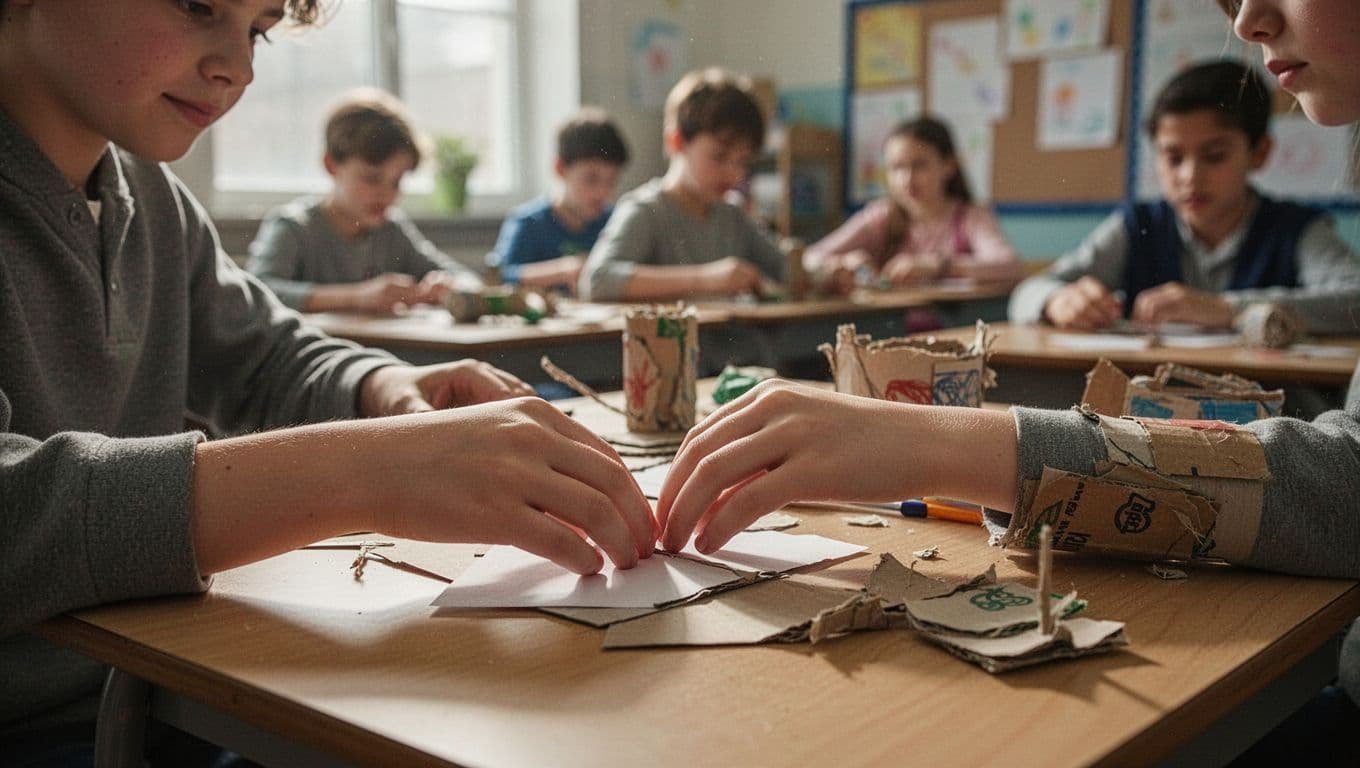
Give each team paper, cardboard, craft sticks, markers, yarn, recycled containers, and tape. Set a five-minute design challenge: create a friendly monster with a name, one special power, and one positive fact about its personality.
Keep the rules simple. Teams must share materials, include every member, and prepare a short presentation. Students can show the monster, read a few sentences, or explain its features together. A child who prefers not to speak can draw, hold the model, manage supplies, or keep time.
Instead of choosing one winning team, give recognition in several categories:
- One team can earn praise for the clearest teamwork.
- Another can receive recognition for the most original design.
- A third can stand out for imaginative storytelling.
- Every team can share one detail they like about its monster.
You can add a mask or costume variation with paper plates, crayons, yarn, elastic, and fabric scraps. Allow students to design a character without wearing the mask, especially if they dislike face coverings.
Turn stories, skits, and rhymes into low-pressure party games
Start a 10-minute story circle. One student adds a sentence about a friendly ghost, a missing pumpkin, or a surprising classroom visitor. Continue around the group until the class reaches an ending. A teacher can write key details on the board so students can follow the plot.
For a short skit, give teams 10 to 15 minutes to plan and two minutes to perform. Use prompts such as a haunted classroom, a lost pumpkin, or a monster who wants a friend. Students may act, narrate, write lines, organize props, or present as a group. Reading from a script is always acceptable.
A group performance can build speaking confidence without requiring a nervous student to stand alone.
Younger students can play a ghost rhyme game. One child says a word such as “boo,” and the group offers rhyming words or silly made-up options. Older students can solve a Halloween mystery or complete a team quiz with clues about characters, vocabulary, or classroom themes. Drama games can support focus and connection, as shown in these classroom improvisation activities. Allow students to choose roles such as writer, artist, actor, narrator, prop manager, or scorekeeper.
Choose Halloween Games by Age, Space, and Classroom Needs
The best Halloween party games fit your students and your room. Choose activities by age, energy level, group size, and comfort needs instead of trying to use every idea.
Match each game to student age and energy level
Early elementary students usually do best with clear pictures, simple rules, and short turns. Try picture clues, movement imitation, friendly scavenger hunts, or a game where children freeze like ghosts when the music stops. Keep directions brief and demonstrate each activity before play begins.
Upper elementary students can handle more choices and slightly longer challenges. Offer Halloween trivia, mystery stories, clue hunts, or team tasks that require students to read, sort, build, or explain an answer. Middle school students may enjoy escape-style clue games, debate prompts about spooky stories, logic puzzles, and complex team challenges with assigned roles.
Balance quiet and active games throughout the party. A high-energy relay can work well before a seated puzzle, while a creative writing activity can follow a noisy movement game. Rounds of 5 to 15 minutes help prevent boredom, reduce waiting, and make transitions easier. A visible timer gives students a clear endpoint without repeated reminders.
Plan stations so every student has a way to participate
Stations make Halloween activities easier to manage in classrooms, gyms, cafeterias, and schoolyards. Groups of four to six students can rotate through a quiet craft or puzzle station, a cooperative game station, and an active station.
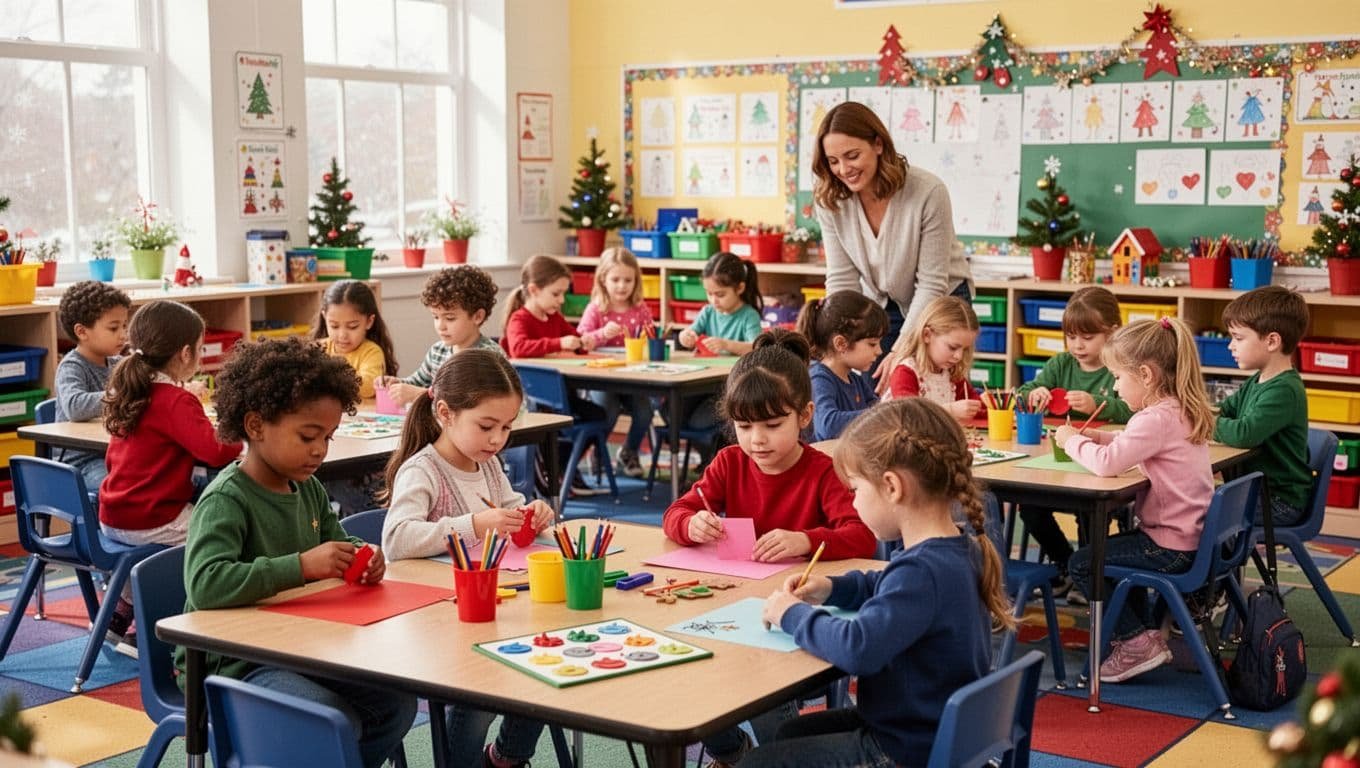
Use desks for matching games and crafts, open gym space for bean-bag tosses or movement games, and outdoor areas for scavenger hunts or relay courses. Prepare materials in labeled bins, place directions at every station, and use a bell, chime, or projected timer as the rotation signal. Adult helpers can supervise active games, while responsible students can manage supplies, read clues, or track time.
Offer a seated version of movement games for students with mobility differences. Provide headphones, reduced-noise spaces, and noncompetitive roles for students with sensory sensitivities. Picture directions, bilingual cards, demonstrations, and partner support can help students with language needs. Friendly pumpkins, monsters, or animals can replace ghosts, blood, and frightening masks for children who dislike scary themes. These low-prep Halloween stations offer additional ideas for adapting classroom activities.
For a 45 to 60-minute party, try this sequence:
- Welcome students with a five-minute picture bingo game.
- Run two 10-minute rotating stations, one quiet and one cooperative.
- Add a 10-minute movement game.
- Give teams 10 minutes for a creative monster challenge.
- Close with five minutes of calm drawing, breathing, or storytelling.
This structure gives every student a clear place to begin, move, create, and settle before the party ends.
Make a school Halloween party safe, inclusive, and easy to run
A successful school Halloween party needs more than fun games. Plan for allergies, sensory needs, school rules, physical safety, and weather changes before students arrive. Clear expectations help you protect the fun without making the celebration feel restrictive.
Use safe materials and school-friendly Halloween themes
Choose decorations and props that are light, washable, and easy to remove. Paper decorations, washable markers, fabric, cardboard, soft bean bags, and battery-powered candles work well. Keep walkways, doors, fire extinguishers, and emergency exits clear. Secure decorations so they cannot fall, and tape down or remove wires that could cause slips and trips.
Avoid real candles, sharp props, hard projectiles, unsecured cords, and small items that younger children could swallow. Balloons can also create problems for children with latex allergies, so check your school policy before using them. Skip water games indoors because wet floors quickly become a safety hazard. If you use water outdoors, assign an adult to monitor the area and dry spills promptly.
Friendly ghosts, silly monsters, pumpkins, bats, and magical forests create a Halloween mood without relying on horror. Avoid fake blood, frightening masks, jump scares, and decorations that may upset students. Let children opt out of scary activities, face paint, costumes, or themed music without needing to explain their choice.
Check permission requirements, costume rules, food policies, and emergency contacts with school administrators before the party. Keep music at a comfortable level, use full lighting instead of dark rooms, and place adults where they can see active games and transitions. For food guidance, the Food Allergy Research & Education Halloween tips support replacing treats with safer nonfood options.
Build inclusion into the rules before the party begins
Tell students in advance that costumes are optional and nobody has to eat a treat. Ask families about allergies, dietary restrictions, and other needs, then avoid shared food when the information is unclear. Nonfood rewards such as certificates, extra drawing time, classroom privileges, or choosing the next game give everyone a fair option.
Show each game with a short demonstration, picture directions, or written steps. Students should be allowed to pass, watch, help, or take a break. Movement games need seated versions, such as pointing, tossing from a chair, or directing a teammate.
Avoid elimination, which leaves some children waiting on the sidelines. Instead, use team awards for kindest teammates, best helpers, most creative idea, and strongest participation. Pair students thoughtfully, rotate roles, and reward cooperation as well as the final score.
Before students arrive, prepare a simple backup plan:
- Gather supplies, printed directions, timers, trash bags, and cleaning materials.
- Check lighting, walkways, exits, sound levels, and prop safety.
- Prepare a quiet activity and an indoor backup for weather or schedule changes.
- Review emergency contacts, allergy information, and adult supervision assignments.
With these steps in place, the party stays organized, welcoming, and safe for every student.
Frequently Asked Questions
A successful school Halloween party depends on simple planning, flexible rules, and activities that respect every student’s comfort level. These answers can help you make quick decisions before the celebration begins.
What are the best Halloween party games for a school classroom?
The best choices are low-cost, easy to explain, simple to supervise, and adjustable for different ages. Halloween bingo, charades, a paper ghost hunt, the mummy relay, and a team monster challenge all work well with basic classroom supplies.
Use picture cards for younger students, add reading clues for older groups, or offer seated roles during movement games. Cooperative scoring also keeps students involved when they don’t want to compete.
How many games should a school Halloween party include?
Plan three to five activities for a 45 to 60-minute party. Short rounds of five to 15 minutes leave room for explaining rules, passing out supplies, cleaning up, and moving between activities.
Prepare one or two backup games, such as memory matching or a quick drawing challenge. A flexible plan works better than an overcrowded schedule because transitions, questions, and unexpected pauses take time.
What Halloween games work without candy or food?
Bingo, charades, scavenger hunts, crafts, trivia, skits, memory games, and movement challenges can all run without food. For puzzle-based activities, critical thinking games for children can also inspire clue hunts and team challenges.
Reward participation with stickers, certificates, classroom privileges, a choice of the next game, or team applause. If food is part of the event, review school party allergy guidance with families and school staff first.
How can teachers include students who do not celebrate Halloween?
Use broader seasonal themes, such as pumpkins, fall colors, imagination, storytelling, or friendly monsters. Students should be able to choose a neutral activity, skip costumes, and participate without pressure.
For example, a student might design an animal character instead of a ghost or solve a fall-themed puzzle instead of joining a scary game. Give every student a clear choice without asking them to explain personal beliefs or family traditions.
What is a good Halloween game for a large group of students?
Station rotations, team scavenger hunts, whole-group charades, and balloon-free movement challenges work well for large groups. Set clear boundaries for active games, then use color-coded teams, adult helpers, and posted instructions to reduce waiting and confusion.
Assign each team a starting station and rotate groups on a timer. While one group plays, another can draw, solve a puzzle, or prepare a skit.
How do you keep Halloween games safe at school?
Follow school rules, remove trip hazards, avoid real flames, check allergies, supervise every area, and use age-appropriate materials. Offer non-scary alternatives, explain rules before play, and stop any activity that becomes unsafe.
Keep exits clear, use full lighting, and avoid sharp props, hard projectiles, and frightening surprises. A quick safety check before students arrive can prevent many problems during the party.
Conclusion
The best Halloween party games for school don’t need a large budget or frightening themes. They give students room to connect with classmates, create something, move at their own pace, and participate in a way that feels comfortable. Creative games can also help children practice skills and discover interests, much like the activities described in how to discover your talents.
Choose a small mix of active, quiet, and creative games, then adjust the rules, roles, timing, and materials for your class. A short relay, a calm bingo round, and a team monster challenge can create variety without making the party difficult to manage.
Before students leave, hold a class vote for the funniest monster name, take a group photo with paper props if school rules permit, or give everyone one minute to share a favorite game. Above all, celebrate effort, kindness, and teamwork, because those are the moments that make a school Halloween party feel welcoming.
Save the pin for later

- 8 Signs Your Ex Is Testing You And What It Really Means - September 18, 2026
- 12 Qualities Every Good Man Should Have - September 18, 2026
- How to Write a Dating Profile for a Woman Over 45: 9 Simple Steps - September 18, 2026