 Orji Chigozie Henry
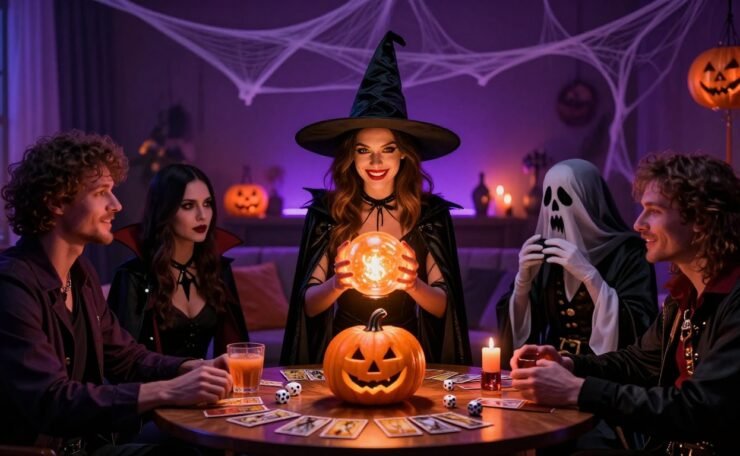
Keeping adults entertained at a Halloween party can be harder than finding a costume that works after dark. Awkward small talk, complicated supplies, and games that feel too childish can drain the energy fast, so choose activities that fit your group and get people involved quickly.
The best Halloween party games for adults can be spooky, funny, competitive, or creative. This guide includes quick icebreakers, drinking-optional games, team challenges, costume contests, and murder mystery ideas that work for house parties, dinner parties, and larger gatherings. A little planning, along with better communication skills, can help guests connect without forcing conversation. Start with these easy game ideas.
Key Takeaways
- Choose quick Halloween icebreakers, such as Two Truths and a Lie, to help guests start talking without pressure.
- Add mystery games, trivia, or character guessing when your group enjoys storytelling and friendly competition.
- Keep drinking optional, with nonalcoholic alternatives and clear rules that respect every guest.
- Use simple supplies, flexible teams, and short rounds so nobody feels stuck in one activity.
- Set healthy boundaries for party games, especially when costumes, personal questions, or alcohol are involved.
How to Choose the Right Halloween Party Games for Adults
The best Halloween party games match your guest list, available space, and the mood you want to create. Before choosing an activity, consider whether your guests enjoy costumes, competition, acting, scary themes, or drinking games. A mix of relaxed and energetic options gives everyone a comfortable way to participate.
Pick Games That Fit the Group and the Space
Small groups often enjoy conversation-based games such as Halloween trivia, Two Truths and a Lie, or character guessing. These activities give guests room to talk without putting one person on the spot for too long. For larger groups, choose team games, Halloween bingo, charades, or a short relay so everyone stays involved.
Your party space matters just as much. Seated dinner gatherings work well with table-friendly games, including spooky would-you-rather questions, trivia cards, and a murder mystery. In a living room, use games that allow guests to move between rounds. Outdoor parties can include pumpkin bowling, a scavenger hunt, or a mummy-wrap challenge, provided the area is well-lit and free of hazards.
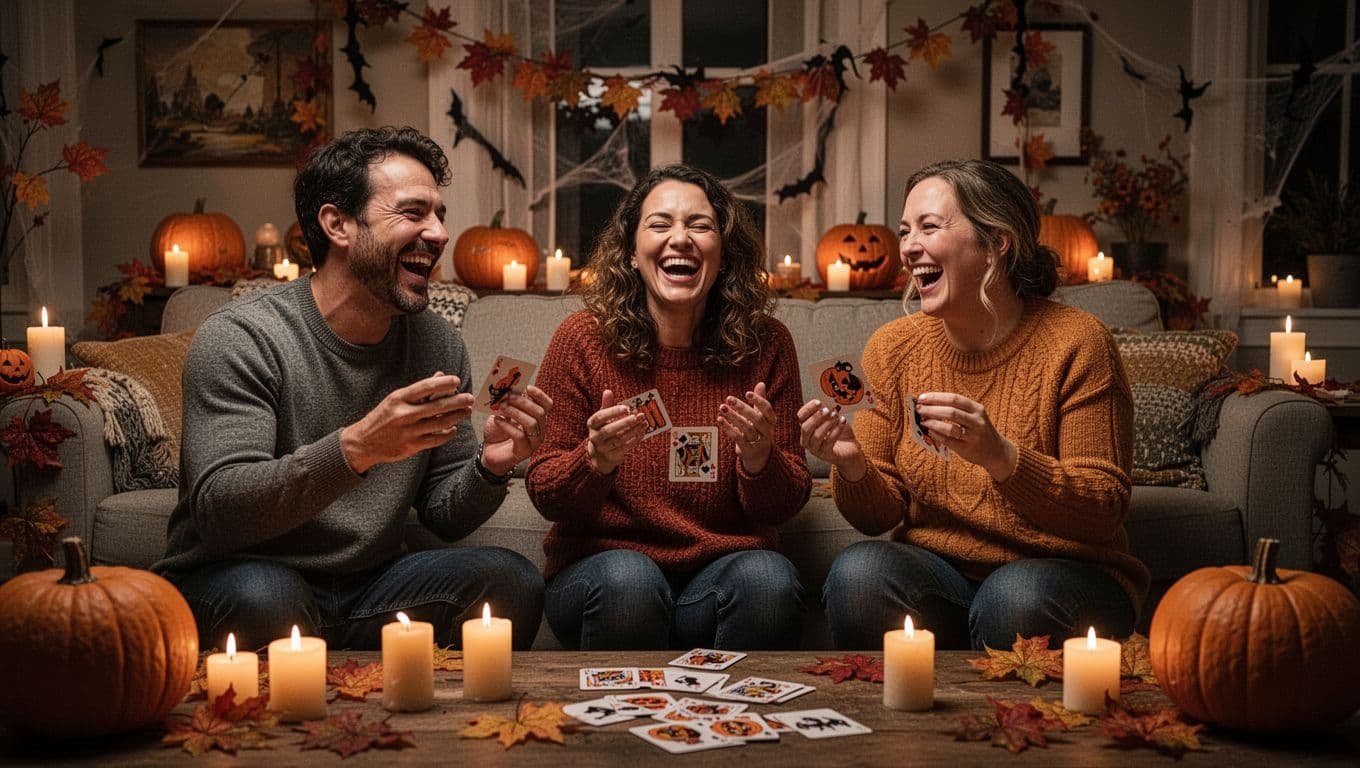
Short games work best at the start of the night because guests are still arriving, getting drinks, and settling into conversations. Plan activities that take 5 to 15 minutes, then offer longer options once the group feels comfortable. A scavenger hunt or murder mystery needs advance preparation, clear roles, clues, and enough time for guests to follow the story.
Keep Competition Fun, Safe, and Optional
Friendly competition needs simple rules and a clear finish. Set time limits, explain how points work, and balance teams instead of allowing the most confident guests to dominate. Small prizes such as candy, novelty decorations, or inexpensive Halloween accessories can make winning fun without creating pressure.
Give every guest a way to pass on a challenge. Someone may enjoy trivia but dislike acting, personal questions, or scary dares. Let guests watch, join another team, or choose a lower-pressure role without asking them to explain themselves.
Drinking should never be required for participation. Offer mocktails, candy, sparkling water, or points as equal alternatives to alcohol. Clear boundaries also help guests feel comfortable when games involve costumes, physical activity, or personal stories. Creating healthy boundaries in relationships can guide those decisions.
Halloween Party Games for Adults That Break the Ice Fast
Quick games help guests start talking before small talk becomes uncomfortable. Choose activities with simple rules, short rounds, and an easy pass option so nobody feels pressured to perform.
Play Halloween Two Truths and a Lie
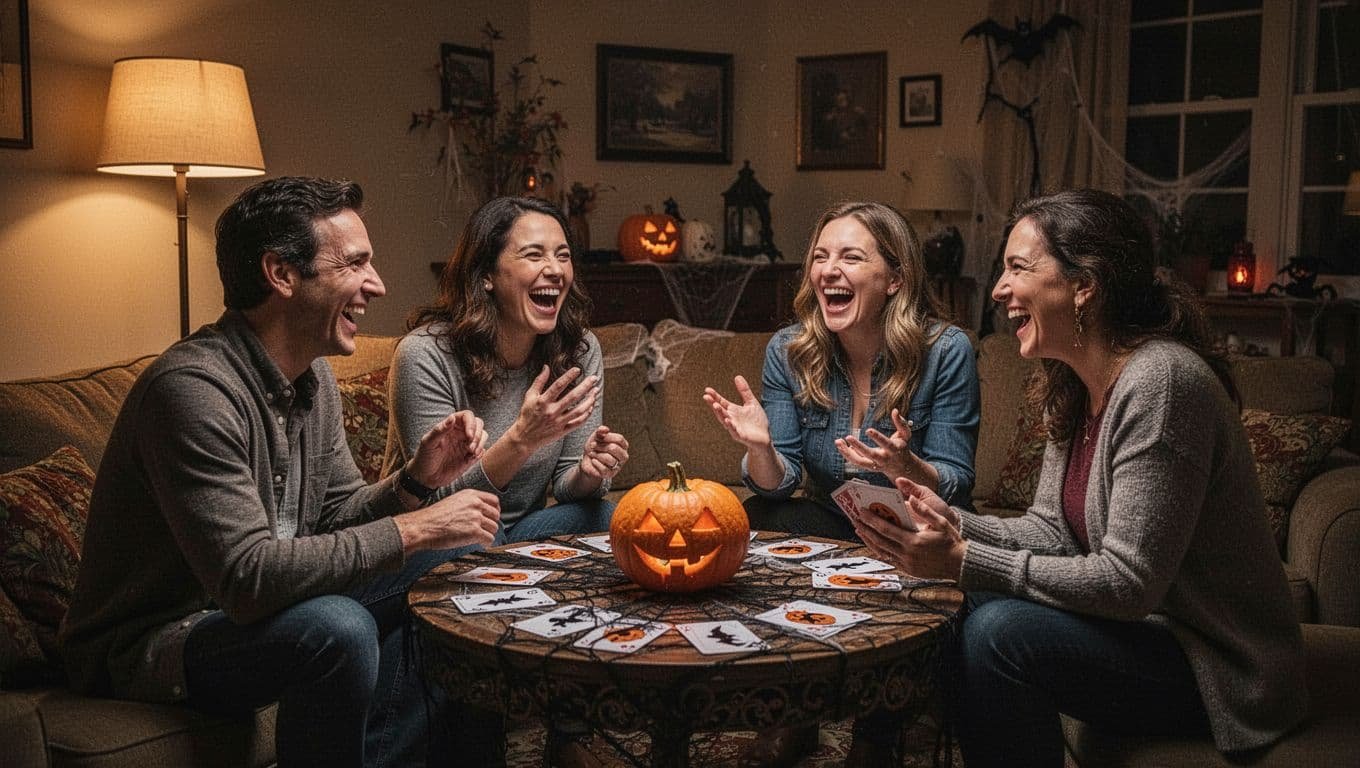
Ask each guest to share three Halloween-related statements. Two should be true, while one should be made up. Encourage stories about a costume mishap, a strange trick-or-treating memory, a supposedly haunted place, or the worst horror movie they watched alone.
After each person speaks, the group votes on the lie by pointing, raising hands, or writing down a guess. The storyteller reveals the answer, then gives a short explanation. Keep each turn under two minutes so the game stays lively.
You only need a timer and perhaps a bowl of prompts. For a spooky variation, require one statement about a frightening experience. For a funny version, ask everyone to include an embarrassing costume problem.
Use Character Names and Halloween Jinx
For the name-on-the-back game, write a horror character, monster, or movie villain on each sticky note. Attach one note to every guest’s back without letting them see it. Players mingle and ask questions that can only receive “yes” or “no” answers, such as, “Am I human?” or “Am I from a movie?”
Guests keep asking different people until they identify their character. Use familiar choices such as Dracula, Freddy Krueger, Frankenstein’s monster, or the Babadook. A Halloween character guessing format works well because conversation happens naturally.
For Halloween Jinx, announce three banned words, such as “costume,” “scary,” and “Halloween.” Give each player three candy tokens. When someone says a forbidden word, the first person to call “jinx” takes one token. Change the banned words halfway through the party for a funny twist.
Try Halloween Questions or a Blind Taste Test
Halloween Questions uses a simple mind-reading format. One guest answers themed questions privately, while everyone else predicts the response. Ask, “Which monster would you be?” or “Would you spend one night in a haunted house?” The guest reveals the answer, and the closest guesses earn points.
For a blind taste test, prepare small labeled answer cards, plus matching unlabeled samples of spooky drinks, candy, or mystery snacks. Include both alcoholic and alcohol-free drinks, and clearly mark every ingredient. Ask about allergies before serving, avoid cross-contamination, and never pressure anyone to taste an unknown item.
A spooky variation uses unusual textures or dark-colored mocktails. Guests can still join by smelling samples, judging presentation, or keeping score. This keeps the game social without forcing intense roleplay or alcohol consumption.
Low Prep Halloween Games That Get Everyone Moving
Active Halloween party games help adults mingle without demanding hours of preparation. Keep rounds short, explain the rules before starting, and offer seated roles for guests who prefer to watch, judge, or keep score. These ideas also give you flexible options for mixed groups, similar to the quick activities featured in this adult Halloween game guide.
Run a Mummy Wrap Race or Candy Spoon Relay
Divide six to 12 guests into teams of three or four. One player becomes the mummy while teammates wrap them from shoulders to ankles with toilet paper. Give teams five minutes, then award points for speed, complete coverage, and the best mummy design.
For a cleaner option, use crepe-paper streamers or washable fabric strips. Keep the wrap loose around the neck, hands, and feet so nobody feels trapped or trips. A small candy prize or Halloween accessory makes an easy reward.
The candy spoon relay works for two teams of four or more. Players carry one piece of candy across the room and back with a spoon held in their hand, then pass the spoon to the next teammate. This hand-held version is safer and less awkward than carrying a spoon in the mouth. Give the winning team candy bags, or judge accuracy if speed creates too much chaos.
Set Up Pumpkin Bowling and Other Table Games
Use five to 10 small pumpkins as pins and a larger pumpkin or soft playground ball as the bowling ball. Test the setup first because pumpkins vary in weight and may roll unpredictably. Place the lane away from glass, candles, electronics, and crowded walkways.
Four to 12 guests can play in 10 minutes, with each person taking two rolls. Award a prize for the highest score, a lucky strike, or the most creative bowling technique. Never use hard pumpkins near breakable items, and stop the game if the floor becomes slippery.
For a seated alternative, let guests guess the weight of one pumpkin or count the candy corn in a clear jar. The closest guess wins the jar, a movie-sized candy box, or a small seasonal gift.
Make a Photo Scavenger Hunt for Teams
Create teams of two to four and give them 15 minutes to capture picture proof. Clues might include a group pose with a skeleton, a creative costume detail, or a spooky shadow. Award points for completing clues, then give the winners candy, novelty decorations, or first choice of dessert.
Ask permission before photographing people, and never enter private rooms without approval. Guests can photograph decorations or objects instead. Remind players to walk, avoid slippery floors, and remove masks that limit vision before moving through crowded spaces.
Turn Costume Voting Into a Party Activity
Give every guest a paper ballot or simple scorecard with categories such as Most Original, Funniest, Scariest, Best DIY, and Best Group Costume. Judge costume creativity and execution, not anyone’s body or appearance.
Plan five minutes for voting and another five for the results. Give each category a small prize or sincere recognition, so one winner doesn’t take every award. If long costumes or masks make movement difficult, hold voting in an open area with clear walkways.
Creative Halloween Games for Guests Who Love Horror and Improv
Creative Halloween games give guests a reason to talk, perform, and laugh without requiring athletic competition. Keep scary content playful, offer easy pass options, and let guests choose whether they want to act, guess, write, or keep score.
Build a Pass-It-On Ghost Story
Have one guest begin with a spooky sentence, such as, “At midnight, someone knocked three times on the locked attic door.” Each person adds one line, then passes the story to the next player. Set a 30-second limit per turn so the plot keeps moving.
Prepare prompt cards with settings, characters, and surprise twists. A card might mention an abandoned carnival, a nervous ghost, or a phone that rings from inside the walls. Players must include the card they draw, which keeps the story unpredictable and gives quieter guests a clear starting point.
Record the story on a phone with everyone’s permission, or ask one person to write each line. At the end, read the finished version aloud with dramatic pauses. The strangest plot twist, funniest line, or most convincing voice can win a small prize.
Play Halloween Charades and Horror Movie Bingo
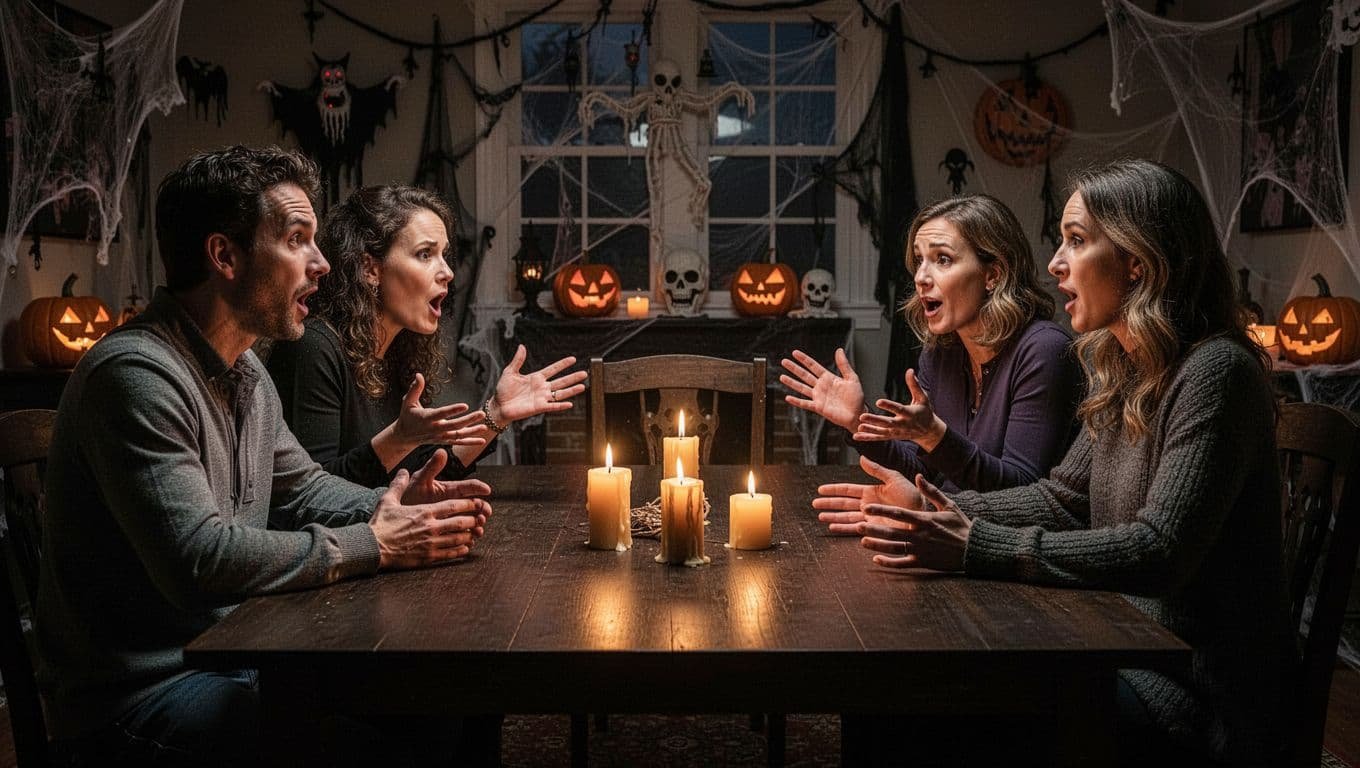
For charades, write prompts about monsters, famous horror scenes, costumes, and supernatural events. Guests might act out a werewolf transformation, a vampire avoiding sunlight, a séance, a creepy doll, or someone choosing the wrong basement. Teams get one actor per round, a short time limit, and one point for each correct guess. Browse Halloween charades ideas for more prompt inspiration.
Create bingo cards with squares such as creepy doll, foggy scene, jump scare, final girl, and hidden basement. Players can mark scenes while watching a short horror movie or trailer compilation. Use familiar clips, and allow guests to explain a square instead of naming the film.
Host Halloween Trivia and Movie Quote Games
Mix questions about horror films, urban legends, Halloween history, haunted places, and seasonal traditions. Use team play so guests can combine knowledge, and include easy questions alongside harder ones. Small prizes, such as candy or themed accessories, keep the mood friendly.
For a quote game, read short written lines or play brief clips, then ask players to identify the movie, character, or scene. Add clues when needed, and include recognizable lines that don’t require expert knowledge. Guests can also earn points for identifying the emotion or situation rather than the exact title.
Keep boundaries clear when themes involve fear, trauma, or personal experiences. Guests should be able to skip a prompt without explanation, supporting the same healthy communication habits that help people feel respected in any group.
How to Host a Halloween Murder Mystery Party
A Halloween murder mystery gives guests a shared story, a reason to talk, and plenty of room for costumes. Choose a simple format, explain the boundaries, and keep each round moving so the game adds energy instead of taking over the party.
Choose Between Wink Murder and a Full Mystery
Wink murder works well for a small, casual gathering. One guest secretly becomes the murderer and eliminates victims by winking at them. Victims wait a few seconds, then announce that they are dead. The remaining players discuss suspicious behavior and vote on the murderer.
This version needs almost no preparation, so it fits a last-minute house party. Keep rounds short, and make physical contact unnecessary. A simple hand signal can replace a tap or dramatic death scene.
For a themed dinner, use a structured mystery with character profiles, motives, secrets, and clues. A haunted mansion, vampire ball, masquerade, or séance gone wrong gives guests an easy setting for costumes and conversation. Larger organized events may benefit from a ready-made kit with scripted information, evidence cards, and instructions for each player.
Prepare Characters, Clues, and a Simple Timeline
Send each guest a role before the party, along with a costume suggestion and a short backstory. Assign roles privately so the murderer remains secret. Prepare printed clue cards, envelopes, a fake newspaper, or harmless objects that support the story.
Use a clear timeline:
- Explain the setting, rules, safety boundaries, and win conditions.
- Introduce the crime and give players their opening information.
- Run two or three investigation rounds with new clues.
- Let guests question one another, present theories, and accuse a suspect.
- Collect votes, then reveal the murderer and explain the evidence.
Set a time limit before play begins, usually 45 to 90 minutes. As host, act as narrator or investigator. Offer a hint when conversations stall, then move the group to the next clue. A beginner’s murder mystery party guide can also help you organize invitations and story details.
Make the Mystery Comfortable for Every Guest
Use fictional names and lighthearted motives, such as jealousy over a fake inheritance or rivalry between rival magicians. Avoid graphic violence, realistic abuse, and themes involving real trauma. Guests should be able to solve clues, observe, take notes, or help you manage evidence without acting.
Offer an alcohol-free version with mocktails and snacks. Nobody should be pressured to perform, improvise, reveal personal information, or make physical contact. Clear opt-out rules support the same healthy relationship boundaries that help people feel respected outside the party.
Frequently Asked Questions
A few practical decisions can make your Halloween party games feel natural instead of forced. These answers will help you adjust the activities to your guests, schedule, and comfort levels.
How many Halloween party games should I plan?
Plan two or three main games for a typical three-hour party. Start with one short icebreaker, then bring out a longer activity when most guests have arrived and settled in. Keep one backup game ready in case the energy drops or an activity finishes faster than expected.
What games work when guests arrive at different times?
Choose games with independent turns, such as Halloween trivia, character guessing, costume voting, or a candy-jar estimate. Late arrivals can join without needing a full explanation of earlier events. Avoid starting a murder mystery until everyone with a major role has arrived.
How can I stop one guest from dominating the game?
Use timed turns, team play, and a host who gently moves the round along. You can also give quieter guests roles such as scorekeeper, clue manager, or judge. Respectful structure helps prevent the same confident players from answering every question.
If someone ignores a stated limit or pressures others, address it early. Guidance on recognizing personal boundaries can help you set a fair tone without creating a confrontation.
What should I do if guests dislike scary games?
Offer a lighter choice, such as costume bingo, pumpkin-weight guessing, trivia, or a funny storytelling round. Avoid treating fear as a challenge that guests must overcome. A party feels more welcoming when people can choose their comfort level.
Can I play drinking games without making alcohol the focus?
Yes. Use points, candy, mocktails, or small prizes as equal alternatives to drinking. Explain that every game is alcohol-free unless guests choose otherwise, and label ingredients clearly for anyone avoiding alcohol or managing allergies.
How do I encourage shy guests to participate?
Begin with questions that allow short answers, then move into pairs or small teams. Give guests time to watch before inviting them into a round. Activities that reward building confidence and spontaneity can help people join at their own pace. For extra inspiration, browse these adult Halloween game ideas and adapt the rules to suit your group.
Conclusion
A successful adult Halloween party doesn’t need expensive decorations or complicated games. The best results usually come from choosing two or three activities that fit your group, starting with an easy icebreaker, then adding a competitive or creative game once guests feel comfortable.
Keep the rules simple, explain how guests can pass, and offer alcohol-free options so everyone can join in. Trivia, costume voting, storytelling, and team challenges can create plenty of laughs without putting anyone under pressure. Most importantly, focus on helping people connect rather than making every game perfect.
Pick a few ideas from this guide, adjust them to suit your space and guests, and make them your own. When everyone feels welcome, the party becomes memorable for the right reasons.
save the pin for later

- 8 Signs Your Ex Is Testing You And What It Really Means - September 18, 2026
- 12 Qualities Every Good Man Should Have - September 18, 2026
- How to Write a Dating Profile for a Woman Over 45: 9 Simple Steps - September 18, 2026