 Orji Chigozie Henry
Feeling confused, anxious, or betrayed can make every unusual detail at home feel significant. Cheaters may hide phones, gifts, receipts, medications, cash, or other personal belongings in ordinary places, but a hiding place alone doesn’t prove cheating. People also protect private items for many innocent reasons, so context matters.
Rather than searching through drawers or personal belongings, pay attention to broader patterns, such as sudden secrecy, unexplained expenses, changed routines, defensiveness, or emotional distance. Snooping, breaking locks, tracking devices, or accessing private accounts without permission can damage trust and may create legal problems. If suspicion is affecting your peace of mind, reviewing healthy boundaries in relationships can help you decide what privacy and honesty should look like.
This guide explains common areas where people may conceal things, why repeated patterns matter more than one discovery, and how to raise concerns through calm, respectful communication. Start by looking at the bigger picture, then consider healthy relationship habits before deciding what to do next.
Key Takeaways
- Common hiding places include drawers, closets, vehicles, bags, bedside tables, and rarely used storage areas, but one discovery doesn’t prove cheating.
- Repeated patterns matter more than a single item, especially secrecy, inconsistent explanations, changed routines, unexplained spending, or emotional distance.
- Avoid snooping, tracking devices, or accessing private accounts. Those actions can damage trust and create legal problems.
- Raise concerns calmly, describe specific observations, and give your partner room to respond honestly.
- Review communication and trust issues when secrecy continues or the relationship no longer feels emotionally safe.
Places in the House Where Cheaters Hide Things
People often hide personal items in ordinary household spaces because those places attract little attention. However, a hidden object is only a clue to discuss, not proof of infidelity. The goal is to recognize patterns without searching through your partner’s belongings without consent.
Bedrooms, Nightstands, and Personal Storage
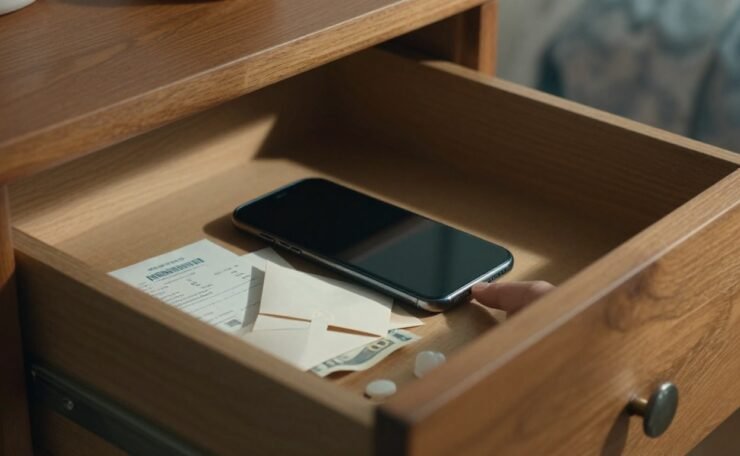
Bedrooms offer privacy, so people often keep personal items there. Someone might place belongings under the bed, inside a storage compartment, between folded clothing, or in a nightstand drawer. Bags, toiletry kits, makeup cases, and personal-care containers can also hold items that someone doesn’t want left in shared spaces.

These areas also contain ordinary private belongings, including medication, documents, gifts, or sentimental items. Privacy alone doesn’t establish wrongdoing. Instead, focus on changes that affect trust, such as a new locked drawer, unexplained packaging, or items that appear and disappear without a clear explanation.
A calm conversation is more useful than a sudden search. Describe what you noticed, explain how it made you feel, and give your partner a fair chance to respond.
Closets, Drawers, Books, and Decorative Objects
Clothing closets and rarely used drawers can conceal items among things that already belong there. Boxes, old books, photo albums, picture frames, DVD cases, vases, and storage baskets may attract little attention because they look familiar.
The general pattern is simple: a hidden item often blends into its surroundings and stays where people rarely handle it. Still, familiar objects can contain private or sentimental belongings for harmless reasons. Avoid opening locked containers, going through personal bags, or searching another person’s property without permission.
When something seems unusual, consider the broader context. A changed explanation, repeated secrecy, or unexplained purchase matters more than one unfamiliar object. You can also review healthy boundaries in relationships before deciding how to raise the concern.
Kitchen, Bathroom, and Less Obvious Household Spots
People may sometimes use pots, pans, food containers, freezers, under-sink cabinets, or bathroom storage for concealment. Unused toiletry containers, laundry areas, plant pots, and trash bins can also hide small items because they seem routine.
However, practical risks make some locations poor choices. Moisture can damage belongings, food containers can create contamination concerns, and heat may ruin sensitive items. Toilets, freezers, and damp areas also raise hygiene issues.
Unusual storage can have innocent explanations, such as protecting an item from children, pets, guests, or clutter. Look for consistent behavior and honest communication rather than treating any household spot as evidence. A respectful discussion about communication and trust issues keeps the focus on the relationship instead of turning your home into a search zone.
Why Someone Might Choose These Hidden Spots
The places people choose for hidden items often follow a simple logic. They are familiar, easy to access, easy to overlook, and connected to one person’s daily routine. However, the same location can support innocent privacy, a surprise, valuables, or relationship-related secrecy. The spot alone cannot tell you which explanation is true.
Everyday Objects Can Make Hidden Items Hard to Notice
Ordinary objects blend into the background of a home. A rarely opened storage box may hold old paperwork, seasonal decorations, or a personal item someone doesn’t want guests to see. A rarely used book, clothing drawer, suitcase, or closet basket can attract little attention during everyday cleaning.
Personal bags also offer privacy because they belong to one person and move between different places. Furniture with drawers, decorative containers, and boxes from past purchases may remain untouched for months. Their familiarity makes them easy to ignore, which explains why someone might choose them for private belongings.
That choice doesn’t automatically point to cheating. Someone might protect a birthday gift, store valuables away from children, keep medical supplies private, or avoid an argument about a purchase. In other cases, a person may hide something because they feel embarrassed or fear judgment. Psychology Today’s discussion of relationship secrets explains that people may conceal information to protect their reputation or avoid a difficult reaction.
The practical question is not, “Why would this object be here?” Ask instead whether the secrecy affects shared trust, finances, or agreed relationship boundaries. Avoid opening personal bags, locked containers, or private belongings without permission. A discovery made through snooping can create a second conflict, even when the original concern had an innocent explanation.
One Suspicious Item Is Not the Same as a Pattern
One unfamiliar receipt, gift, article of clothing, or personal item may feel alarming, especially when trust already feels weak. Yet stronger concern usually comes from repeated secrecy combined with other changes in behavior.
Pay attention to context such as:
- sudden password changes without a clear reason;
- unexplained absences or major shifts in routine;
- stories that change when you ask simple questions;
- unusual defensiveness about ordinary topics; and
- a new effort to keep certain belongings away from view.
These signs still don’t prove infidelity. Stress, demanding work, mental health concerns, financial pressure, or a need for personal boundaries can produce similar behavior. Look for consistency over time, then raise one specific concern without making an accusation. If betrayal has already damaged your trust, guidance on rebuilding trust after betrayal can help you think through boundaries and next steps.
How to Respond Without Snooping or Escalating the Conflict
Suspicion can make you want immediate answers, but secretly searching phones, bags, accounts, or drawers often adds another breach of trust. Pause, gather your thoughts, and choose a private time to discuss what you noticed. Calm communication gives you better information than a search conducted in fear or anger.
Start With Facts and Your Own Feelings
Separate what you know from what you suspect. Write down the specific item, change, or conversation that concerns you, along with when you noticed it. Avoid adding conclusions that you cannot verify.
Instead of saying, “You are cheating,” try, “I noticed several unexplained items, and I feel worried about what they mean.” This wording describes your experience without presenting an assumption as fact. You can also say, “Your routine has changed, and I feel less secure because we haven’t talked about it.”
Wait until you are sober and calm enough to listen. Do not begin the conversation during a heated argument, in front of children, or when either of you needs to leave. If your emotions rise, take a short break and agree on a time to continue. Conflict-resolution guidance for couples also recommends pausing when a discussion becomes too heated.

Ask Direct Questions and Listen to the Answer
Use open, respectful questions that address the concern directly:
- “What is this item, and how did you get it?”
- “Why did you want to keep it private?”
- “What do we both consider reasonable privacy in this relationship?”
- “Is there anything about our agreements that needs to change?”
Give your partner room to explain before deciding whether the answer makes sense. A healthy conversation allows follow-up questions, clarification, and accountability from both people. You can listen without agreeing, then repeat what you heard to prevent misunderstandings.
Dismissiveness, intimidation, repeated contradictions, or refusal to discuss reasonable concerns may require stronger boundaries or outside support. Secretly installing tracking software, recording private conversations, damaging property, or accessing accounts without permission can worsen the conflict and may violate the law.
Know When to Seek Counseling or Safety Support
Couples counseling can help when both partners feel safe and genuinely agree to participate. Individual counseling may be a better first step if you need help sorting through fear, betrayal, anxiety, or self-doubt.
Set clear expectations around honesty, shared finances, privacy, and communication. However, do not confront a partner alone if they threaten, control, stalk, or become violent. Prioritize a safety plan, tell someone you trust, and contact a local domestic violence service for confidential support. Your safety matters more than getting an immediate explanation.
What to Do After You Find Something That Raises Real Concerns
Finding a suspicious item can trigger anger, fear, and the urge to act immediately. Slow down before making accusations, posting online, contacting a suspected affair partner, or taking anything that belongs to someone else. The location of one object is not proof of infidelity; repeated behavior, honest answers, and your safety matter more.
First, check whether the item could belong to you, another household member, or a guest. Then ask your partner for a clear explanation and listen to whether the response stays consistent. Consider the history of trust in your relationship, including past dishonesty, broken agreements, or recent changes in behavior. What boundary, if any, was crossed? Was the concern about secrecy, money, sexual health, or an agreement you both made?

Protect Your Privacy and Shared Interests Fairly
You can protect yourself without invading your partner’s privacy. Review shared bank accounts, bills, and subscriptions only when you are authorized to access them. Secure your own identification, tax records, financial documents, medications, and valuables. Change passwords for your personal accounts, use multi-factor authentication, and keep important records in a safe place.
Don’t hack an account, install spyware, impersonate someone, secretly record private material, or search locked containers. Those actions can worsen the conflict and may create legal problems. If you share a home, money, property, or children, consider speaking with a family-law attorney or financial professional before making major decisions about housing, finances, or separation.
You may also request reasonable transparency, such as an honest conversation about unexplained spending or agreed relationship boundaries. If infidelity is a real possibility, pause sexual contact or use protection until you both understand the situation, and arrange STI testing through a healthcare provider.
Decide What Trust Would Need to Look Like Again
Trust can return only through consistent actions. Ask whether your partner accepts responsibility, answers reasonable questions without intimidation, respects your boundaries, and follows through over time. Psychology Today’s guidance on trust emphasizes honest communication and keeping promises as part of rebuilding confidence.
You can request couples therapy, speak with an individual therapist, or take temporary space while you decide what you want. Forgiveness is optional, and reconciliation takes time. If your partner keeps lying, dismisses your concerns, violates agreed boundaries, or makes you feel unsafe, leaving may be the healthiest choice. Make decisions based on the pattern, not one hidden item.
Frequently Asked Questions
Questions about hidden belongings often reflect a larger concern about privacy, honesty, and emotional safety. These answers can help you choose a fair next step without turning suspicion into an investigation.

How can I tell the difference between privacy and secrecy?
Privacy protects personal space, while secrecy hides information that affects shared trust, finances, health, or relationship agreements. A partner can have private belongings without acting dishonestly. Concern becomes more reasonable when privacy comes with changing stories, unexplained spending, or hostility toward fair questions.
What should I do if my partner says I am being paranoid?
Stay focused on the specific behavior rather than arguing about whether you are “paranoid.” Say what you noticed, explain how it affected you, and ask for a direct explanation. A respectful partner may disagree with your interpretation, but they should still be able to discuss the concern without insulting, threatening, or isolating you.
Should I contact the person I suspect my partner is seeing?
Contacting a suspected affair partner often creates more conflict and may expose private information to someone who cannot give you a trustworthy account. Speak with your partner first, unless doing so could put you at risk. If you need help communicating while trust is low, these trust-building communication strategies can provide useful language.
How should I protect myself financially if trust has broken down?
Review shared accounts, bills, subscriptions, and major expenses only through accounts you are legally authorized to access. Keep copies of your own financial records and protect your identification, passwords, and credit information. Avoid secretly taking money or emptying joint accounts without professional advice, because financial decisions can create legal consequences.
When should we consider couples counseling?
Counseling may help when both partners agree to speak honestly, accept responsibility, and follow reasonable boundaries. It may not be suitable if one person uses therapy to intimidate, manipulate, or punish the other. Individual counseling can help you decide what you need before inviting your partner into the process.
What if I feel afraid of my partner’s reaction?
Do not confront your partner alone if they have threatened you, monitored you, damaged property, or become violent. Tell someone you trust, keep essential documents accessible, and contact a local domestic violence service for confidential safety planning. Getting an explanation can wait; protecting yourself cannot.
Conclusion
Drawers, closets, bags, nightstands, and storage containers can hold ordinary private or valuable items. A hidden object may deserve a respectful conversation, but no location proves infidelity by itself. The strongest evidence comes from repeated patterns, such as changing stories, unexplained spending, ongoing secrecy, or behavior that breaks agreements.
If something has raised your concerns, focus on what you observed and explain how it affects your trust. Honest conversation, clear boundaries, and consistent actions provide a better path forward than snooping, tracking, or searching through private belongings. When trust remains damaged, individual counseling or couples therapy may help, as long as you feel safe.
You don’t have to ignore behavior that leaves you uncomfortable, and you don’t have to prove cheating before setting a boundary. Protect your personal information, finances, and physical safety while you decide what you need from the relationship. You deserve respect, truthful communication, and support as you choose what comes next.
Save the pin for later


- 8 Signs Your Ex Is Testing You And What It Really Means - September 18, 2026
- 12 Qualities Every Good Man Should Have - September 18, 2026
- How to Write a Dating Profile for a Woman Over 45: 9 Simple Steps - September 18, 2026