
 Orji Chigozie Henry
Feeling alone while you’re still married can hurt in ways that are hard to explain. When a husband repeatedly ignores his wife’s feelings, avoids meaningful conversations, or offers little affection, emotional neglect can leave her searching for warmth and understanding elsewhere.
The phrase “she starts loving in these places” doesn’t guarantee that a wife will cheat or fall for someone else. It points to the human need for connection, which may lead her toward close friendships, family, supportive coworkers, online communities, personal interests, or, in some cases, another romantic connection. Those choices still deserve honesty and accountability, but blaming her alone misses the unmet needs that helped create the distance. Learning how to build a healthy relationship with your spouse starts with recognizing that emotional closeness requires attention from both partners. Next, we’ll look at where that comfort may appear and what the pattern can reveal about the marriage.
Key Takeaways
- Emotional neglect can leave a wife feeling lonely, unheard, and unsupported while still married.
- Connection may grow through trusted friends, family, meaningful work, personal interests, or online communities, but secrecy can create new harm.
- Honest communication, emotional safety, and consistent effort are essential for rebuilding closeness. These daily habits for marriage can help.
- Setting emotional boundaries in relationships protects self-respect while clarifying each partner’s needs.
- Emotional neglect involves a repeated lack of emotional response, not one disappointing conversation. Learn more about emotional neglect and its effects.
When a Man Keeps His Wife Lonely, She Starts Loving in These Places
When emotional neglect continues, a wife may seek warmth in places where she feels heard and valued. That response does not automatically mean she wants an affair. It often shows that an important emotional need has gone unmet for too long.

The difference between being alone and feeling lonely in a marriage
Healthy alone time can restore you. A person may read, take a walk, enjoy a hobby, or sit quietly without feeling rejected. The choice to be alone matters because it comes with freedom, not the painful sense that your partner has emotionally left the relationship.
Loneliness in marriage feels different. Consider a couple who shares a home but rarely shares thoughts. They discuss bills, errands, and schedules, yet the husband rarely asks how his wife feels. When she talks about a stressful day, he changes the subject or tells her she is overreacting. Affection becomes rare, difficult conversations always fall to her, and emotional check-ins disappear.
Although they sleep under the same roof, she feels as if she carries the marriage alone. Physical presence does not equal emotional availability. Someone can sit beside you and still remain closed off, distracted, or unwilling to offer comfort.
Repeated patterns matter more than one busy week or one disagreement. Emotional neglect involves an ongoing lack of attention, warmth, support, and meaningful connection. Communication breakdowns in neglected marriages have been associated with isolation, self-blame, and reduced self-esteem in marriage communication research.
Why repeated emotional rejection changes what feels safe and comforting
At first, a wife may keep asking for conversation, affection, or reassurance. After enough dismissive responses, she may stop asking. She lowers her expectations, avoids vulnerable subjects, or becomes numb because hoping for closeness feels exhausting.
That change can look like indifference, but it may reflect self-protection. When someone else consistently listens, remembers details, or offers kindness, the warmth can feel unusually powerful. A supportive friend, family member, coworker, or online community may become a place where she feels visible again. She may also turn toward meaningful work, faith, or personal interests.
Seeking comfort elsewhere explains an unmet need; it does not excuse secrecy, deception, or an affair. Honest boundaries still matter, including recognizing unbalanced friendships. The healthier response is to name the loneliness, request consistent change, and decide what limits protect her emotional well-being.
Where a Lonely Wife May Begin Looking for Love, Comfort, and Belonging
When emotional needs remain unanswered, a wife may turn toward people and activities that restore her sense of worth. These connections can protect her well-being, but they can also become harmful when they replace honest communication, secrecy grows, or another person becomes responsible for meeting every emotional need.
Close friends who listen without judging
A close friend may become the first safe place for an honest conversation. She can talk about sadness, frustration, or confusion without being dismissed. A caring friend offers encouragement and emotional release, helping her feel less alone while she decides what to do next.

Healthy friendship still needs boundaries. Sharing general feelings is different from sending secret romantic messages, hiding frequent conversations, or describing private marital details in ways that humiliate her spouse. Emotional dependence can also develop when one friend becomes her only source of comfort. Support should help her think clearly, not pull her into secrecy or flirtation.
Family members and trusted community connections
A sister, parent, faith leader, support group, or trusted neighbor may offer reassurance when home feels emotionally empty. These relationships can reduce isolation and give her a place to process feelings before she raises difficult concerns with her husband. Research on marriage and social support also shows that relationships outside the couple can affect emotional well-being.
Support, however, should not become a permanent escape from every needed conversation at home. She may ask for help preparing to say, “I’ve been feeling lonely, and I need more emotional presence from you.” Individual counseling can also provide a confidential space to understand her needs and boundaries. If the relationship shows warning signs of a failing marriage, outside support can help her evaluate the situation with greater clarity.
Work, hobbies, and online spaces that make her feel seen
Work, volunteering, exercise, creative interests, and social groups can return purpose to a life that feels narrowed by loneliness. An online community may also help her find people who share her interests. Building a full life is healthy because marriage should add to a person’s identity, not erase it.
Still, private online bonds can cross boundaries quickly. Constant messaging, romantic comments, deleted conversations, and emotional dependence may create an attachment that resembles an affair. Clear limits protect both partners while she works on building a stronger marriage.
A new romantic connection or emotional affair
Attention from a coworker, friend, or online contact can feel intense when someone has been emotionally starved. Being understood may feel like proof of deep compatibility, although it may reflect relief, novelty, and unmet needs rather than lasting fit.
Loneliness explains vulnerability, but it doesn’t remove responsibility. A wife still needs to choose honesty, set boundaries, and consider how secrecy affects her spouse and family. Before beginning a romantic connection, she should address the marriage directly or make a clear, honest decision about whether to remain in it.
How Emotional Neglect in Marriage Changes the Way a Wife Seeks Connection
Emotional neglect changes more than a wife’s mood. Over time, it can change what she expects from closeness, how she responds to her husband’s attention, and where she feels safest sharing her inner life. Small moments of rejection can gradually teach her to stop reaching toward the marriage and look for emotional responsiveness elsewhere.
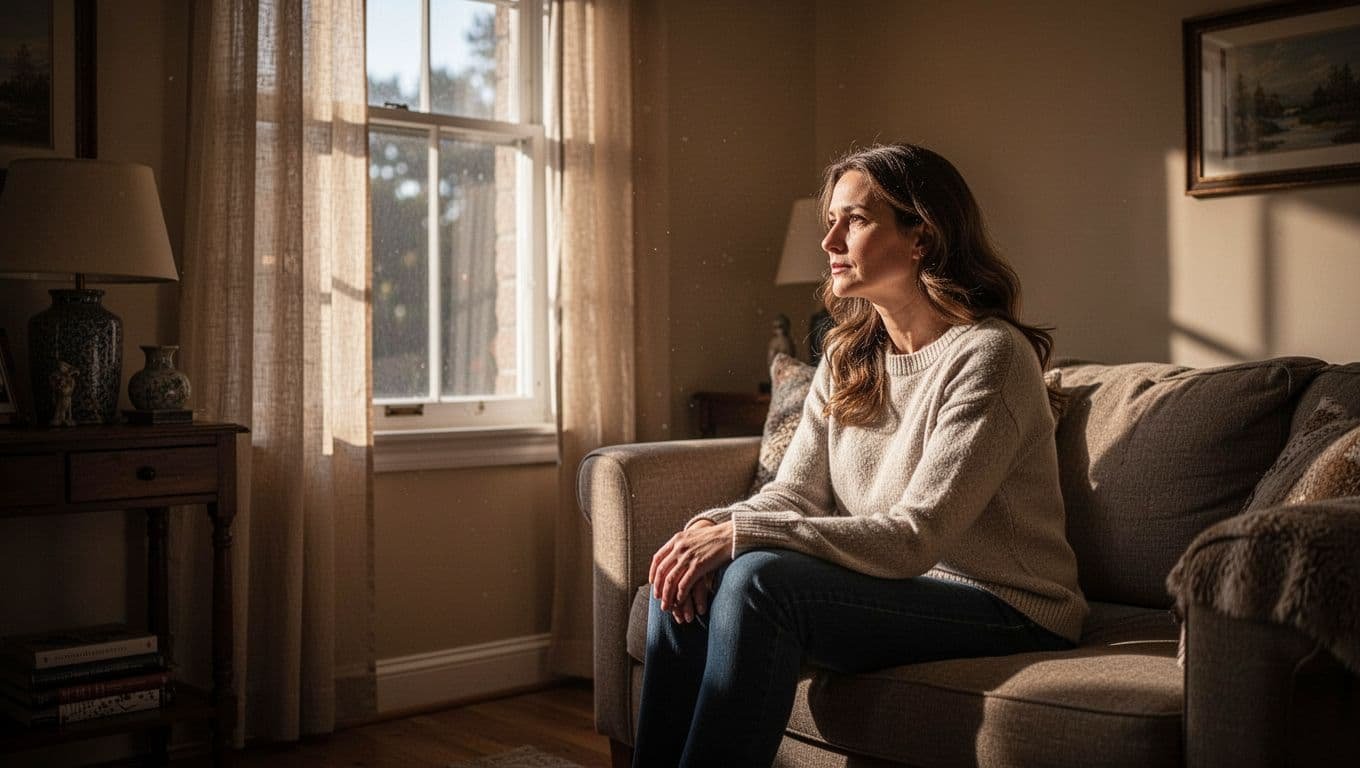
The cycle of asking, being dismissed, and eventually giving up
Connection often begins with a small bid. A wife may share a worry, ask for a hug, tell a funny story about her day, or say, “Can you sit with me for a minute?” These moments may seem ordinary, but they give her husband a chance to turn toward her and show that her feelings matter.
When he stays silent, keeps looking at his phone, responds with sarcasm, criticizes her reaction, or leaves the room, she receives more than a disappointing reply. She learns that vulnerability may lead to embarrassment or rejection. Relationship researchers describe these everyday requests as bids for emotional connection, and repeated turning away can make intimacy feel unsafe.
At first, she may ask more clearly or try harder. Later, she may stop explaining herself, keep conversations practical, or spend more time alone. Her withdrawal can look like independence, but it may hide grief, anger, and emotional exhaustion. She has not stopped needing connection. She has stopped trusting that reaching for it will help.
Why attention from another person can feel unusually powerful
After long-term deprivation, ordinary kindness can feel intense. Someone who listens without interrupting, remembers a detail, praises her effort, or offers comfort may reach needs that have gone unanswered for years. The attention feels real because the relief is real.
However, unmet needs can magnify a new connection. Secrecy, novelty, frequent messages, and idealized impressions may make the other person seem more compatible than the evidence supports. Strong feelings deserve honesty, but they also deserve reflection. Emotional support can reveal what the marriage lacks without proving that a new person is the right long-term choice.
How loneliness can affect self-worth, trust, and decision-making
Ongoing loneliness can produce self-doubt and harsh inner criticism. A wife may wonder whether she is too needy, too sensitive, or difficult to love. Anxiety, resentment, low mood, and fear of abandonment can then affect how she interprets attention from others.
That pain may also lead to impulsive choices or weak boundaries. Before acting from panic, revenge, or desperation, she can pause and seek support from a counselor, trusted friend, or family member. She may also need to consider when to walk away from a partner, but major decisions deserve clarity rather than the pressure of a single emotional moment.
What both partners can do before loneliness turns into permanent distance
Emotional distance rarely disappears after one emotional conversation. Repair requires honest words, safer habits, and consistent follow-through from both partners. The goal is not to make the wife wait quietly for change, but to see whether both people will participate in it.

How to name the problem without starting another shutdown
Choose a calm time, not the middle of an argument or while either person is rushing. Discuss one issue at a time, keep phones away, and agree that each person will speak without interruption. A short pause can help if emotions rise, but set a time to return to the conversation.
Use a simple structure:
- Describe what you observe without labeling your spouse’s character.
- Name the feeling and explain its effect.
- State the need beneath the feeling.
- Make one clear, realistic request.
For example: “We live together, but I feel alone when my concerns are brushed aside. I need regular time to talk without phones. Can we set aside 20 minutes tonight?” The listening partner should reflect what they heard before defending their intentions. Validation doesn’t mean agreeing with every detail. It means recognizing that the feeling is real.
Small bids for connection also matter. Responding with interest when a spouse shares a worry, joke, or detail about the day helps rebuild emotional responsiveness. The Gottman Institute describes these moments as bids for emotional connection.
Boundaries that protect dignity, honesty, and emotional safety
A boundary explains what you will do, not how you will control your spouse. You might say, “If insults begin, I’ll end the conversation and revisit it tomorrow,” or, “I won’t hide secret romantic messages or accept them in our marriage.” Other boundaries may cover silent treatment, private friendships, shared finances, and access to trusted friends, family, or counseling.
A boundary needs a clear action and consistent follow-through. It should protect dignity without isolating either partner from healthy support.
Safety comes first when loneliness exists alongside threats, intimidation, coercive control, financial restriction, stalking, or physical or sexual abuse. In those circumstances, joint therapy may increase risk if one partner fears retaliation. Contact a qualified local domestic violence service or mental health professional, and make a private safety plan before confronting the abusive behavior.
When individual counseling or couples therapy can help
Couples counseling can help when both partners accept responsibility and want to improve emotional responsiveness, communication, resentment, or damaged trust. A trained therapist can slow reactive conversations, teach listening skills, and turn vague complaints into specific changes.
Individual counseling is often the better first step when one partner refuses help, trauma or depression may affect the relationship, or someone needs clarity before deciding whether to stay. Personal support can also strengthen boundaries and reduce self-blame.
Joint therapy is not the first choice during active abuse or fear of retaliation. Seek a qualified local provider who understands trauma and relationship safety instead.
How to tell whether the relationship is truly changing
Real change appears in patterns, not promises made during a crisis. Look for:
- Consistent follow-through on agreed actions.
- Sincere apologies that include changed behavior.
- Regular emotional check-ins and shared time.
- Respectful conflict, including fair timeouts and repairs.
- Willingness to discuss boundaries without blame or monitoring.
Temporary promises, love-bombing, surveillance, renewed blame, and improvement that lasts only until the crisis passes point to a familiar cycle. Keep notes on agreements and behavior over several weeks or months. One good day can offer hope, but repeated safe behavior is what rebuilds trust.
Frequently Asked Questions
Emotional neglect can leave you questioning your feelings, choices, and future. These answers offer a clearer way to understand loneliness, responsibility, and the steps that may support healthier decisions.
Does a lonely wife always fall in love with someone else?
No. Loneliness may make outside attention feel meaningful, but it doesn’t guarantee an affair or a new relationship. Many women turn toward friends, family, therapy, faith, hobbies, or personal growth instead.
The central issue is the unmet need for connection and how both spouses respond to it. Support outside the marriage can help someone regain perspective, especially when it includes healthy emotional boundaries.
Is emotional neglect a valid reason to cheat?
Emotional neglect can explain why someone becomes vulnerable to attention from another person. However, it doesn’t make secrecy, deception, or betrayal harmless. The hurt in the marriage deserves recognition, while each person remains responsible for their choices.
Honest communication, clear boundaries, and counseling create safer alternatives. If the relationship cannot meet basic emotional needs, making a truthful decision about staying is healthier than maintaining a hidden relationship.
What should a husband do if he realizes his wife feels alone?
He should listen without arguing about whether her feelings are reasonable. Instead of defending his intentions, he can acknowledge the impact of his behavior and take responsibility for specific actions, such as dismissing concerns or avoiding meaningful conversations.
He can ask, “What kind of support would feel meaningful to you?” Then he needs to follow through consistently. Regular check-ins, shared time, affection, and respectful responses matter more than one emotional promise.
Can a marriage recover after a wife develops feelings for someone else?
Yes, but recovery isn’t automatic. Both spouses need honesty, accountability, patience, and a willingness to address the original emotional disconnection. When appropriate, inappropriate contact with the other person must end so the marriage has a fair chance to rebuild trust.
Couples counseling can provide structure, although individual counseling may help when one partner needs clarity first. Research on emotionally focused couples therapy has found meaningful improvements for many couples, but progress still depends on consistent effort.
What if my husband refuses to talk or get help?
Stop chasing endless conversations that lead nowhere. State your concern clearly, set a boundary around disrespect or silence, and decide what action you’ll take if nothing changes. Support from trusted people can help you stay grounded while you consider your options.
Individual counseling can help you assess the relationship and plan your next steps. Seek private support promptly if the pattern includes manipulation, fear, threats, coercion, or abuse.
How can I tell loneliness from normal relationship space?
Healthy space still includes care, respect, reliable communication, and a return to connection. Partners can enjoy separate interests without making each other feel abandoned.
Persistent dismissal, emotional absence, fear of speaking honestly, and feeling unseen point to a deeper problem. If you repeatedly silence your needs to avoid rejection, the relationship needs attention beyond occasional alone time.

Conclusion
When a wife searches for love in other places, the deeper story may be a long period of feeling unseen, unheard, and emotionally alone. Her loneliness can explain why outside attention feels meaningful, but it doesn’t excuse an affair or remove responsibility for honest choices.
Both partners need to face the pattern without blame. Honest conversations, healthy support from trusted people, firm emotional boundaries, and professional help can create a path forward when the couple cannot repair the distance alone. If the marriage remains unsafe or unchanged, she has the right to protect her well-being and make a clear decision about her future.
Every person deserves emotional safety, respect, and a relationship where connection grows through consistent action.
Save the pin for later


- 8 Signs Your Ex Is Testing You And What It Really Means - September 18, 2026
- 12 Qualities Every Good Man Should Have - September 18, 2026
- How to Write a Dating Profile for a Woman Over 45: 9 Simple Steps - September 18, 2026