
 Orji Chigozie Henry
When a woman is unhappy in her marriage, she may not leave immediately or respond in a way that others expect. The phrase “places women go” can describe a friend’s home, a family member’s house, or a therapist’s office, but it can also mean emotional escapes such as work, hobbies, social activities, or time alone.
These choices may point to stress, loneliness, emotional distance, or a need for safety and support. However, they don’t prove infidelity, and they don’t automatically mean the marriage is over; sometimes, they show that someone is trying to cope with needs that aren’t being heard at home.
Understanding the difference between ordinary time apart, emotional withdrawal, and genuine danger matters. If both partners feel safe, building a healthy connection with your spouse may begin with calm communication, honest listening, and practical support. The sections ahead look at common patterns, how to respond with care, and where someone can turn for safe, trustworthy help.
Key Takeaways
- Women may seek support at a friend’s home, a relative’s house, a therapist’s office, or somewhere they feel safe and understood.
- Work, hobbies, social activities, and alone time can provide relief from loneliness or tension at home.
- Emotional withdrawal, frequent conflict, reduced affection, and conversations limited to household tasks may point to marital unhappiness.
- These patterns don’t prove infidelity or mean the marriage is ending; they show that important needs may go unheard.
- When fear, threats, control, or abuse are present, personal safety and trusted professional support should come first.
Places Women Go When They Are Unhappy in Their Marriage
There is no single place every unhappy woman goes. Some seek comfort, while others fill their schedules or find private spaces to process what they feel. The meaning depends on the context, duration, safety, and her own explanation.
A sudden change matters more than one evening out. Spending time away from home may reflect loneliness, stress, conflict, or a need for support. It doesn’t prove infidelity or confirm that the marriage is ending.
A Friend’s or Family Member’s Home for Comfort
When a woman feels unheard or alone at home, she may spend more time with a trusted friend, sibling, parent, or another relative. That person may offer a listening ear without demanding an immediate decision.
Loved ones can also provide practical help. They might watch the children, offer a place to sleep after an argument, help with meals, or give her quiet time to think. A familiar home can feel safer when her own home feels tense.
Seeking this kind of support can be a healthy coping step. However, it may create new pressure if the support person insists that she stay or leave before she feels ready. She needs room to make an informed choice based on her circumstances, not someone else’s fear or anger.
Work, Hobbies, Exercise, and Other Busy Places
Work, volunteering, classes, shopping, exercise, travel, religious communities, and hobbies can give her structure and relief from tension. These activities may rebuild confidence, provide friendship, and remind her that marriage is only one part of her identity.
Personal time is healthy when it helps someone rest, think clearly, or maintain important interests. The concern grows when constant activity becomes the only way to avoid pain. Warning signs may include staying away from home for long periods, canceling shared plans, or becoming highly distressed whenever she is alone with her spouse.
Researchers and clinicians often describe emotional withdrawal through reduced communication, loneliness, and avoidance. Common signs of an unhealthy marriage can include shutting down during conflict and losing meaningful connection.
A Therapist, Support Group, or Private Online Community
Individual therapy can give her a confidential place to discuss fear, resentment, confusion, or possible next steps. A carefully chosen support group may also reduce isolation by connecting her with people facing similar struggles.
Couples counseling may help when both partners can participate safely and honestly. When abuse or intimidation exists, individual support and domestic violence advocacy should come first. Moderated online groups can offer information, but devices, browser history, and accounts may not be private.
A Shelter, Hotel, or Another Safe Place During Abuse
Threats, stalking, coercive control, physical violence, sexual violence, and financial control require a safety-focused response. Leaving for a domestic violence shelter, a trusted person’s home, a hotel, or another safe location is a protective step, not simply “running away.”
If someone faces immediate danger, she should contact local emergency services when she can do so safely. She should avoid confronting an abusive partner about leaving if that could increase the risk. A trained advocate can help create a safer plan without forcing her to decide before she is ready.
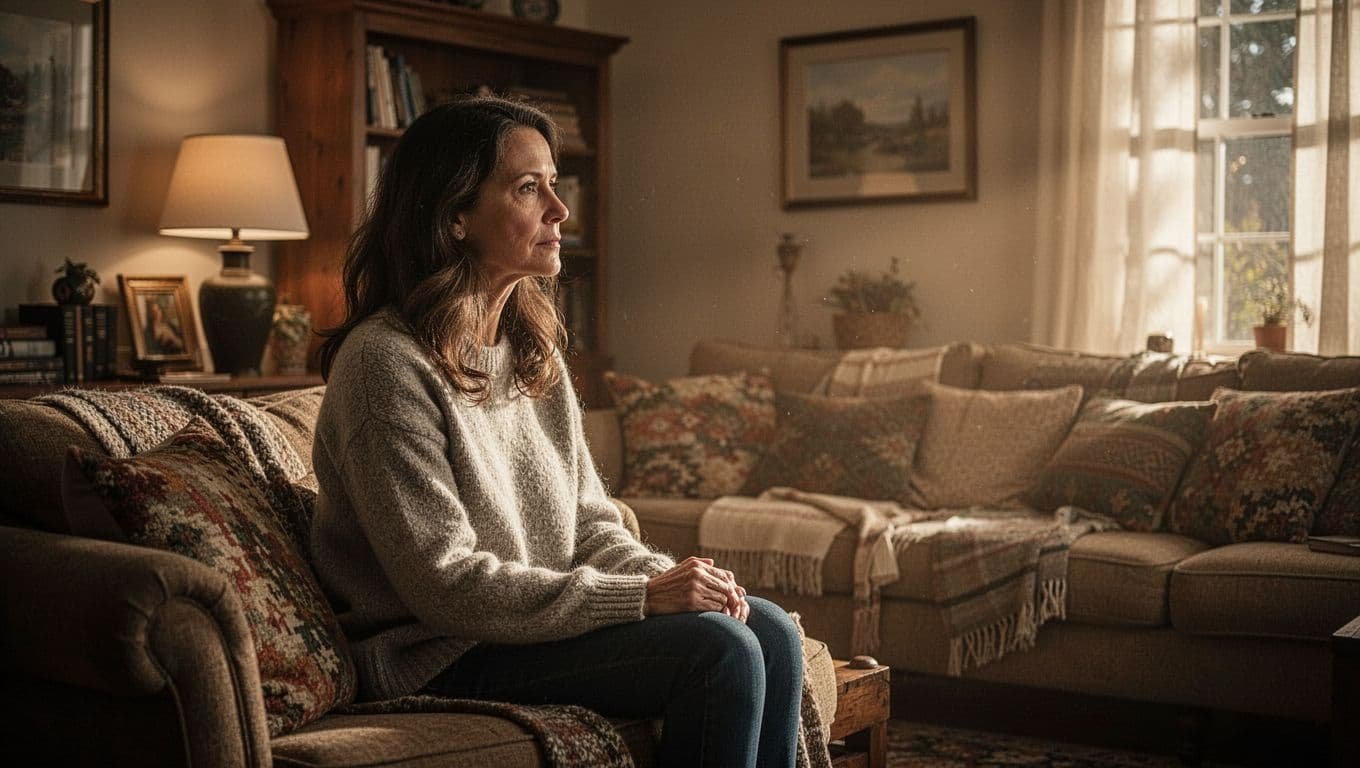
Why Emotional Distance Can Look Like Going Somewhere Else
When home feels tense, lonely, or emotionally empty, a person may begin looking for relief elsewhere. That escape might involve work, friends, hobbies, or simply spending more time alone. Withdrawal is often a coping response, not automatic proof of cheating. Still, repeated distance can show that important needs are going unmet.
The Signs of Emotional Withdrawal at Home
Emotional withdrawal often appears in ordinary routines before anyone names it. Conversations may focus on chores, children, bills, errands, or schedules, while personal thoughts and feelings disappear. A partner may make less eye contact, offer fewer affectionate touches, or seem uncomfortable when the conversation becomes vulnerable.
She might stop sharing worries because previous attempts led to criticism, dismissal, broken promises, or another unresolved argument. Over time, keeping quiet can feel easier than explaining herself again. She may also spend more time in another room, stay busy with work or hobbies, or choose solitude even when her spouse is nearby.
The most painful part can be feeling lonely while still together. Physical presence remains, but emotional connection feels absent. The Gottman Institute’s discussion of emotional disconnection describes this pattern through hollow routine interactions and avoidance of emotionally charged topics.
These behaviors can have many causes, including stress, depression, exhaustion, unequal responsibilities, or conflict that never gets repaired. They should be treated as possible patterns, not a checklist that proves a woman is unhappy or planning to leave. A useful next step is to notice whether the distance is temporary or has become the normal way the relationship operates.
Healthy Space Versus Avoidance and Secrecy
Time apart isn’t automatically a relationship problem. A separate hobby, an evening with friends, or private time to rest can support well-being, especially when both partners discuss it openly and continue meeting shared responsibilities.
The concern grows when time away becomes constant, secretive, or disruptive. Avoidance may include hiding plans, refusing every meaningful conversation, canceling shared commitments, or using outside activities to escape any contact with a spouse. Secrecy can also involve unexplained absences or protecting a new relationship from honest discussion.
The difference often comes down to honesty, respect, and willingness to address important issues. Healthy independence leaves room for connection. Emotional disconnection keeps moving away from it. When fear, threats, coercive control, or physical abuse are present, the issue is no longer ordinary relationship distance. Safety and confidential support should come first.
How to Respond When a Wife or Partner Keeps Leaving the House
When a wife or partner keeps leaving the house, repeated questioning can make the distance worse. Respond with curiosity, compassion, and attention to safety. Her absence may reflect emotional pain, stress, a need for support, or fear at home. It doesn’t prove cheating or mean the relationship is over.
Start a Calm Conversation Without Blame
Choose a neutral time when neither of you is rushing, angry, or preparing to leave. Describe what you’ve noticed instead of attaching labels such as “selfish,” “secretive,” or “unfaithful.”
You might say, “I have noticed you seem worn down and spend more time away. I care about you and want to understand.” Other helpful questions include:
- “How have you been feeling at home?”
- “What would help you feel supported?”
- “Is there something you need that you haven’t felt able to say?”
Listen without interrupting, correcting, or building a defense while she speaks. You don’t have to agree with every detail to show that you hear her. If the conversation becomes heated, suggest a pause and agree on a safer time to continue. Guidance on healthy marriage communication can also help couples replace criticism with honest, respectful discussion.
Avoid accusing her of cheating, checking her phone, tracking her movements, or demanding an immediate decision about staying or leaving. Never block the door, take her keys, threaten consequences, or use children as messengers. Those actions can increase fear and damage trust.

Help Her Find the Right Kind of Support
The best support depends on what she is facing. A trusted friend may provide comfort, while an individual therapist can help her sort through emotions and choices. A doctor, faith leader, attorney, financial adviser, or domestic violence advocate may offer more suitable help in other situations.
She can seek information before deciding whether to stay, separate, or divorce. Avoid pressuring her to make a permanent choice during a painful moment.
Practical help may matter just as much as emotional support. Offer transportation, childcare, access to a private phone, important documents, money, or a safe place to sleep when needed. Respect her privacy, but don’t promise secrecy if someone faces immediate danger.
Know When the Situation Needs Immediate Safety Planning
Treat the situation as urgent when there are threats to harm someone, escalating violence, forced sex, strangulation, stalking, weapons, or threats involving children or pets. Preventing access to money, transportation, medication, or communication can also indicate serious control.
Safety planning should be discreet and personalized. Don’t confront an abusive partner, announce an escape plan, or suggest actions that could increase risk. If danger is immediate, contact local emergency services when safe. The National Domestic Violence Hotline’s safety plan offers confidential guidance for individuals, children, and pets.
What These Patterns May Mean for the Future of the Marriage
Spending more time away can point to several needs, including rest, emotional support, firmer boundaries, relationship repair, separation, or protection from harm. The pattern matters, but so does the reason behind it. A woman who visits a friend to think may face a different situation from someone leaving because she feels afraid at home.
When Rebuilding Trust and Connection May Be Possible
Repair becomes more realistic when both partners acknowledge the problem without minimizing it or assigning all the blame to one person. Each partner must be able to speak honestly without intimidation, punishment, or pressure. Listening also means responding to what was said instead of preparing a defense.
Harmful behavior must stop, not simply receive a new explanation. That may include insults, threats, dishonesty, controlling behavior, repeated broken promises, or an unfair division of household and parenting responsibilities. Agreements only matter when both people follow through consistently.
Small changes can help create evidence that the relationship is moving in a safer direction:
- Set regular check-ins to discuss feelings, responsibilities, and unresolved concerns.
- Protect time together without phones, children, or household tasks taking over.
- Offer affection only when it feels welcome, and respect a clear “no.”
- Agree on boundaries around privacy, friendships, finances, and conflict.
- Seek individual or couples counseling when the problems need skilled support.
Trust returns through steady actions over time. Promises may open the door, but reliable behavior keeps it open. The Gottman Institute’s guidance on reviving trust also emphasizes accountability, emotional attention, and renewed connection after betrayal.

When Separation or Leaving May Be the Healthier Choice
Ongoing abuse, fear, manipulation, repeated betrayal without accountability, or complete refusal to change can make staying unsafe or unsustainable. One person cannot repair a marriage alone, and reconciliation should never come before personal safety.
Still, leaving isn’t equally simple for everyone. Finances, children, housing, immigration concerns, disability, transportation, and access to medication can shape the safest next step. Someone may need time to gather documents, arrange money, find housing, or speak privately with an advocate.
Confidential legal advice, a therapist, domestic violence advocate, or other qualified professional can help clarify options. Trusted friends and relatives may provide practical support, but they shouldn’t pressure someone into a decision without understanding the risks. Reviewing warning signs that a marriage may be ending can help put repeated patterns into perspective, especially when efforts to change have produced no lasting improvement.
Frequently Asked Questions
Questions about an unhappy marriage rarely have simple answers. Time away, emotional distance, and seeking support can mean many things, so look for patterns and listen to the person involved before drawing conclusions.
Does spending more time away from home always mean a woman is unhappy in her marriage?
No. Time away may reflect work demands, friendships, caregiving, exercise, mental health needs, or normal independence. Personal space can support a healthy relationship when both partners communicate openly and respect each other’s boundaries.
The pattern becomes more meaningful when it is new, persistent, and paired with loneliness, frequent conflict, secrecy, or emotional withdrawal. Instead of focusing only on where she goes, consider whether she feels safe, heard, and connected at home. Healthy boundaries in a relationship can help couples balance personal freedom with shared responsibilities.
Is going to a friend’s house a sign that she wants a divorce?
Going to a friend’s house doesn’t reveal a final decision about divorce. She may need comfort after an argument, temporary space to think, practical help with children, or a safe place while she considers her choices.
Some people seek support long before they know what they want to do next. Give her room to speak without demanding an immediate answer. Pressure can make an already confusing situation harder to understand.

What should I do if I think my partner is avoiding me?
Have one calm, direct conversation based on what you’ve observed. You could say, “I’ve noticed you’re spending more time away, and I’m concerned. How have you been feeling?”
Then listen without interrupting, accusing, spying, or forcing contact. Give her time to respond, and consider individual or relationship support if both of you feel safe discussing the problem.
Can couples counseling help when one partner feels unhappy?
Counseling may help when both partners can speak honestly and safely, take responsibility, and show a willingness to change. A therapist can help identify repeated conflict patterns and teach better ways to communicate.
However, couples counseling isn’t the right first step when fear, abuse, coercive control, or retaliation is present. Individual therapy or domestic violence services may offer safer support in those circumstances.
Where can someone go if home does not feel safe?
Depending on the circumstances, someone may go to a trusted person’s home, a local shelter, a hospital, or another safe public location. If immediate danger exists, contact local emergency services when it is safe to do so.
Avoid confronting an abusive partner about a safety plan or announcing plans to leave. A domestic violence safety resource can help identify confidential options and local assistance.
Conclusion
When marriage becomes painful, women may seek comfort, independence, answers, or safety in many places. A friend’s home, a therapist’s office, work, hobbies, and time alone can provide relief or space to think. These choices don’t automatically point to cheating or a lack of commitment. They often show that someone is trying to meet emotional needs, regain confidence, or find support outside a strained relationship.
Still, repeated absences, emotional withdrawal, secrecy, and constant avoidance deserve honest attention. Partners should discuss these patterns without blame and respect healthy boundaries. When fear, control, threats, or abuse are involved, personal safety must guide every decision. Trusted friends, therapists, advocates, and other qualified professionals can help someone understand her options, including recognizing when a relationship is over.
No one has to make a major relationship decision alone. Support can create room for clearer choices, while safety should guide every next step.
Save the pin for later


- 8 Signs Your Ex Is Testing You And What It Really Means - September 18, 2026
- 12 Qualities Every Good Man Should Have - September 18, 2026
- How to Write a Dating Profile for a Woman Over 45: 9 Simple Steps - September 18, 2026