
 Orji Chigozie Henry
Marriage isn’t a required life goal, and choosing not to marry can be a healthy, honest decision. If the idea leaves you feeling trapped, disconnected, or pressured by family, culture, or age, those feelings deserve your attention rather than dismissal.
Still, one bad argument, a cold week, or a passing moment of doubt doesn’t prove marriage is wrong for you. You may dislike marriage as an institution, feel unsure about a specific partner, or be facing relationship problems that could improve with honest communication and healthy relationship habits. Self-reflection matters more than following someone else’s timeline, so start by looking at the patterns behind your doubts.
Key Takeaways
- Marriage may not fit your life right now if you feel pressured, trapped, or disconnected from the idea.
- Temporary doubts differ from consistent patterns of fear, resentment, or emotional unavailability.
- A healthy relationship needs shared values, honest communication, trust, and a willingness to grow.
- You don’t need to marry because of age, family expectations, or social pressure.
- Taking time to build stronger relationship habits can help you decide with greater clarity.
Signs marriage is not for you
These signs are prompts for honest reflection, not a diagnosis or final verdict. Marriage can be meaningful for some people and unnecessary for others. Pay attention to repeated patterns over time, rather than reacting to one difficult season, stressful month, or painful argument.

1. You feel no personal desire to get married
Feeling nervous about wedding planning, shared finances, or a lifelong commitment is common. However, anxiety about the process differs from a lasting lack of interest in marriage itself. You may want a committed relationship while feeling no desire to become someone’s spouse.
You also don’t need a dramatic reason to choose single life or a long-term partnership without marriage. Ask yourself where the wish to marry comes from. Does it reflect your values, or are you responding to family expectations, cultural pressure, age, or fear of being judged?
A clear preference deserves respect, even when other people don’t understand it. Give yourself room to separate your own hopes from the life script you inherited.
2. You are saying yes because you fear being alone
Fear can make marriage appear safer than it really is. Worrying about loneliness, aging alone, disappointing your family, or losing your partner may push you toward a decision you don’t genuinely want.
Marriage cannot guarantee emotional safety or constant companionship. A person can feel isolated inside a marriage, just as someone unmarried can build a connected, supported life. Name the fear directly, then ask whether marriage would still feel right without outside pressure.
If fear disappeared for a moment, what choice would remain? That answer may reveal more than the reasons you use to defend getting married.
3. Your values and preferred lifestyle do not fit married life
You may strongly value independence, frequent travel, separate finances, flexible routines, career focus, or an unconventional living arrangement. None of these preferences automatically prevents a healthy marriage. Many couples create agreements that protect personal freedom.
The concern is whether you and your partner have discussed what commitment, money, home life, family roles, and independence would actually involve. If your expected future feels restrictive, resentment may grow after the wedding.
4. You keep imagining a fulfilling future without a spouse
Occasional fantasies about living alone or building a life with friends are normal. Yet recurring thoughts about pursuing personal goals, focusing on work, or maintaining love without legal marriage deserve attention, especially when they bring relief.
Explore what that imagined future offers you. Does it provide freedom, peace, creativity, or room to grow? You may not have every answer today, but repeated relief is useful information. Continue building healthy relationship habits while you decide what commitment should mean for you.
5. You cannot talk openly without criticism, silence, or fear
Important conversations often become arguments, sarcasm, personal attacks, or complete silence. You may avoid raising concerns because you expect anger, blame, or dismissal. Over time, feeling unheard can make ordinary decisions feel exhausting.
Healthy communication includes listening, taking responsibility, and working toward solutions. Occasional conflict is normal, but repeated arguments with no apology, repair, or meaningful change can point to deeper incompatibility. Healthy relationship boundaries can help, but both partners must respect them.
6. Trust has been replaced by lies, secrecy, or resentment
Repeated lying, hidden finances, broken promises, infidelity, and secrecy around a phone can make the relationship feel like an investigation. Constant suspicion also drains affection, even when you want to believe your partner.
Trust can sometimes return after betrayal, but only through consistent honesty, accountability, and changed behavior. You aren’t required to stay, and forgiveness isn’t an obligation. Promises matter less than what your partner does repeatedly.
7. You feel lonely, unseen, or emotionally disconnected
Some couples function well as a practical team while living separate emotional lives. You may share household updates, schedules, and bills, yet rarely discuss your fears, interests, hopes, or inner world.
A relationship doesn’t need constant romance to be healthy. However, long-term emotional isolation deserves attention, especially if you feel more understood by friends, coworkers, or family than by your partner. Marriage can make this distance harder to ignore.
8. You disagree on major life decisions and core values
Talk directly about children, religion, money, location, career plans, family boundaries, sex, caregiving, and household roles. Love doesn’t always overcome a deep mismatch in goals.
Look for practical agreements and mutual respect, not vague promises that one person will eventually change. If your future depends on your partner becoming someone else, postponing marriage may protect both of you from resentment.
9. There is abuse, control, humiliation, or intimidation
Physical violence, threats, sexual pressure, stalking, financial control, isolation, humiliation, and intimidation are serious safety issues. They aren’t ordinary relationship doubts, and you aren’t responsible for causing your partner’s behavior.
Don’t begin with couples counseling if you feel unsafe or controlled. Contact a trusted person, local domestic violence service, or unhealthy relationship support resources confidentially. If immediate danger exists, contact emergency services and move somewhere safer if you can.

How to tell normal commitment fears from a deeper mismatch
Marriage can feel serious even when your relationship is healthy. Major life changes, wedding pressure, family expectations, and past hurt can all create doubt. The goal isn’t to demand perfect certainty. Instead, look for patterns that show whether fear becomes calmer with honest conversation or stays tied to real problems.
Questions to ask yourself before making a decision
Set aside the latest argument and examine what you want when nobody else is watching. Ask yourself:
- Would I want this marriage without family expectations, social pressure, or fear of disappointing people?
- Do I feel safe being honest about my needs, doubts, and boundaries?
- Can we solve problems without insults, threats, withdrawal, or losing respect?
- Am I hoping marriage will change my partner’s behavior, priorities, or level of commitment?
- Do our plans for children, money, careers, and home life match well enough to build a stable future?
- Do I feel free to say no, ask for time, or change my mind without punishment?
Write your answers over several days. Note what happens after calm conversations, not only what you feel during conflict. Written responses can reveal a steady pattern that gets hidden by wedding planning, exhaustion, or pressure from other people.
If you describe the same concern repeatedly, pay attention to the evidence behind it. A partner who listens, takes responsibility, and makes consistent changes gives you useful information. So does a partner who dismisses your concerns or expects marriage to solve them.
Notice whether doubt brings fear, clarity, or relief
Commitment anxiety may come from fear of losing independence, past betrayal, abandonment, or the size of the decision itself. Gamophobia, sometimes called a fear of commitment or marriage, can also follow a traumatic relationship experience, according to the Cleveland Clinic’s explanation of commitment fear.

Fear that softens after reassurance and honest discussion may differ from a steady feeling of dread. Notice whether picturing a life apart brings grief, or an ongoing sense of relief. Neither emotion proves your answer by itself, so compare your feelings with your partner’s behavior, your shared values, your sense of safety, and your long-term relationship patterns.
Separate doubts about marriage from doubts about your partner
You may love your partner but not want legal marriage. You may also like the idea of marriage but recognize that this relationship cannot support it. Those are separate conversations, and confusing them can create unnecessary pressure.
Discuss whether remaining unmarried, delaying the decision, living separately, or making a clear long-term commitment could meet both people’s needs. If your partner wants marriage and you don’t, relationship deal breakers may help you identify whether the difference is workable or too significant to ignore. A respectful decision can take several forms, but it must reflect both people’s honest consent.
What to do when you recognize these signs
Recognizing doubts does not require an immediate wedding or breakup. Give yourself enough space to separate temporary stress from a decision that conflicts with your values, needs, or sense of safety.
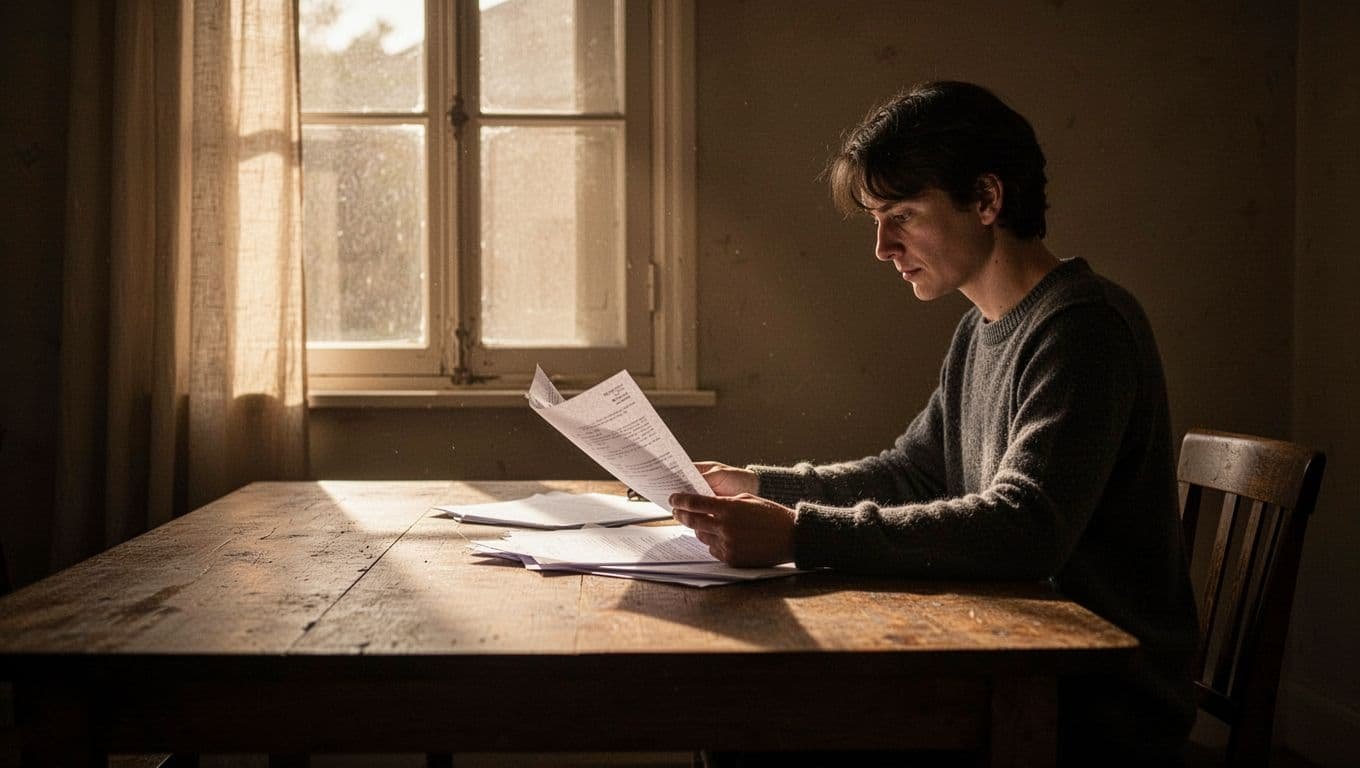
Pause the wedding and remove the pressure to decide today
Postponing a wedding is allowed. Moving the date can be wiser than marrying while you feel trapped, confused, or unable to give free consent. A delay doesn’t automatically mean the relationship has failed. It means you are taking the decision seriously.
Use the pause to review practical concerns without turning them into reasons to force yourself forward. Consider your housing plans, finances, shared accounts, immigration paperwork, pregnancy plans, and family expectations. These details matter, but sunk costs, deposits, or someone else’s disappointment don’t create a duty to marry.
If you decide to postpone, explain whether you are delaying the ceremony while staying committed, or reconsidering the relationship itself. Set a date to revisit the decision, and agree on what needs attention before then. You can also review financial expectations together, since discussions about a prenup often encourage couples to speak more openly about money and future responsibilities, as explained by the Miller Law Group’s discussion of prenuptial agreements.
Have one honest conversation about what you both want
Choose a calm time and use clear statements. Ask, “Do you want marriage, or do you want this relationship without marriage?” Then discuss what commitment means to each of you, what would need to change, and what you would do if your answers remain different.
Use specific examples instead of hints or accusations. Say, “I feel pressured when wedding plans continue after I ask for time,” rather than, “You never listen.” Improving communication skills can help you express concerns without hiding them behind blame.
Pay attention to more than your partner’s answer. Notice whether they listen, stay respectful, show curiosity, and suggest practical ways to work together. A defensive response can provide important information, especially when your concern involves consent or safety.
Use counseling or trusted support to gain perspective
Individual counseling may help if past relationship trauma, family pressure, anxiety, or self-doubt makes it hard to trust your choices. Premarital or couples counseling can help both partners examine communication, expectations, and compatibility.
A therapist should not push you to marry or stay. Therapy cannot make two people want the same life, and couples counseling is not appropriate when control, intimidation, or abuse makes honest participation unsafe. In that situation, seek individual support and make a safety plan with someone you trust.
Choose the path that matches your values, not other people’s timelines
Several outcomes can be healthy: marrying after honest work, waiting, staying committed without marriage, ending the relationship, or choosing single life. Your goal is to build a safe and meaningful life, not meet a social deadline.
Grief, guilt, or family disappointment can exist alongside a healthy decision. Let your values, consent, safety, and long-term needs guide the next step.
Frequently Asked Questions
Questions about marriage often become clearer when you separate temporary stress from lasting disagreement, relationship problems, and personal values. These answers can help you identify what your doubts may be telling you.
Is it normal to have doubts before getting married?
Yes. Marriage is a major life choice, so nervousness about the ceremony, finances, responsibility, or changing your routine is common. Doubts may ease after a calm conversation and time away from wedding pressure.
Repeated doubt deserves more attention, especially when it connects to safety, trust, core values, or a strong wish not to marry. Research has linked premarital uncertainty with later relationship difficulties, so don’t dismiss persistent concerns as ordinary cold feet. You can review the research on premarital doubts while considering your own circumstances.
Can someone love their partner and still not want marriage?
Yes. Love and a desire for legal marriage are different feelings, and one does not automatically create the other. You may want a lifelong relationship while feeling uncomfortable with marriage itself.
Talk honestly about whether a non-married commitment, separate finances, or another arrangement could meet both people’s needs. If marriage is a core goal for one partner, pretending to agree will likely create resentment later.
Does a difficult relationship always mean marriage is not for you?
No. Problems with one partner don’t prove that marriage itself is wrong for you. The more useful questions are whether the relationship is safe, whether both people take responsibility, and whether meaningful change is possible.
Look for consistent actions rather than apologies without follow-through. If communication, trust, or respect continues to deteriorate, review these warning signs of a failing marriage before moving forward.
Should I get married if I hope it will fix our relationship?
No. Marriage usually adds legal, financial, and emotional pressure to unresolved problems instead of repairing them. A wedding cannot create trust, improve communication, or make an unwilling partner change.
Address the main issues before making a permanent commitment. Consider individual counseling, couples counseling when it is safe, or postponing the wedding until you can judge the relationship based on present behavior.
What if my partner wants marriage and I do not?
Neither person is wrong, but the difference may be a serious incompatibility. Discuss your timelines, possible alternatives, and non-negotiable needs without pressuring either person to surrender a core life goal.
A loving relationship may still end when two people want different futures. Honest clarity is kinder than agreeing now and hoping your partner changes later.
When should I seek professional help?
Seek support when conversations go in circles, trust has been damaged, anxiety feels overwhelming, or the decision affects housing, children, finances, or safety. A qualified therapist can help you examine the relationship without making the decision for you.
If threats, intimidation, coercion, or abuse are present, seek specialized safety support instead of relying only on couples counseling. Safety comes before relationship repair.
Conclusion
Marriage is a choice, not a measure of maturity, love, or success. Not wanting marriage may reflect your personal values, while not wanting this relationship may point to problems with trust, respect, safety, or shared goals. Needing more time is different again, especially when you feel uncertain but still open to honest conversations and careful reflection.
Let safety, honesty, shared values, and personal freedom guide your decision. Fear of being alone, family pressure, wedding costs, or someone else’s timeline should not decide your future. A healthy commitment requires genuine consent from both people, along with the willingness to communicate and respect each other’s needs. Learning how to be the best wife may help someone who freely chooses marriage, but no role or relationship should be forced.
A life without marriage can still be committed, connected, and fulfilling. If your answer isn’t clear, pausing is wiser than saying yes and hoping your doubts disappear.
Save the pin for later

- 8 Signs Your Ex Is Testing You And What It Really Means - September 18, 2026
- 12 Qualities Every Good Man Should Have - September 18, 2026
- How to Write a Dating Profile for a Woman Over 45: 9 Simple Steps - September 18, 2026