 Orji Chigozie Henry
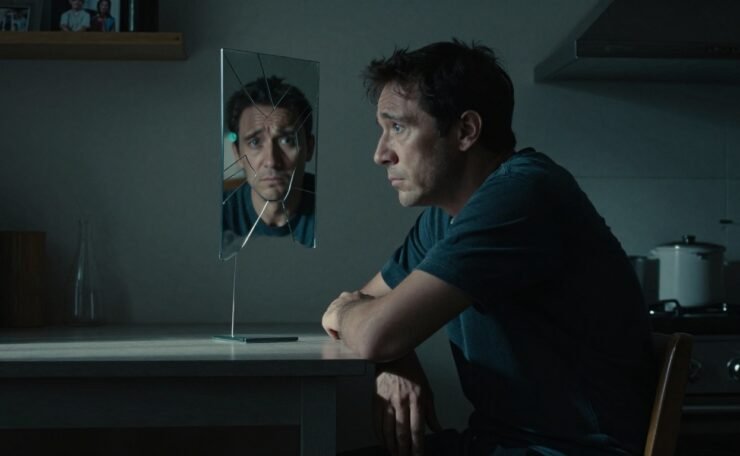
Fear of getting caught is only one part of infidelity. Some people who cheat may fear losing control, facing shame, hurting someone they love, or watching the carefully managed life they built fall apart even more than the moment their affair is exposed.
That doesn’t excuse betrayal, and it doesn’t prove every cheater feels the same way. Still, understanding these possible fears can help if you’re confused, hurt, or trying to make sense of a partner’s behavior. The affair may have offered temporary relief or control, while secrecy protected them from rejection, conflict, and the consequences of honesty.
This article looks at the fears that can sit beneath cheating, including shame, rejection, loss of family stability, emotional exposure, and the collapse of control. As you process what happened, learning about healthy boundaries in a relationship and better communication skills can also help you protect your needs and decide what comes next.
Key Takeaways
- Cheaters may fear shame, rejection, and losing their partner more than the moment of being caught.
- Exposure can destroy their carefully managed image, routines, family stability, and sense of control.
- Secrecy often protects them from emotional vulnerability, difficult conversations, and immediate consequences.
- Their fear doesn’t excuse betrayal or prove they want to change.
- After infidelity, you can focus on your safety, boundaries, and trust instead of managing their discomfort.
Things a Cheater Fears More Than Getting Caught
Getting caught is a single moment. The consequences can continue for months or years, affecting trust, identity, family life, and emotional safety. A person’s fears depend on their choices, personality, relationship, and willingness to accept responsibility, so no two cheaters respond exactly the same way.
1. Losing trust that may never fully return
Privacy can be restored after a difficult conversation. Trust is harder to recover because betrayal changes how a partner interprets the past. They may question old conversations, unexplained routines, promises, late nights, and even ordinary explanations that once felt harmless.
Even when the relationship continues, the old sense of safety may not return quickly. The betrayed partner may need time to process what happened and decide whether staying feels healthy. Research on partner betrayal and trust connects infidelity with lasting effects on trust and self-esteem.
An apology alone cannot rebuild that foundation. Repair requires honest answers, consistent behavior, patience, transparency, and accountability. It also requires respecting the betrayed partner’s right to set limits, ask questions, leave, or choose not to forgive.
2. Facing shame and a damaged self-image
Guilt focuses on behavior: “I did something harmful.” Shame attacks identity: “I am dishonest, selfish, or unworthy of love.” A cheater may fear seeing themselves as a person who lied to someone who trusted them.
That fear can trigger denial, blame-shifting, minimizing, or more lies. Protecting a favorable self-image may feel easier than admitting the full damage. However, understanding shame doesn’t remove personal responsibility. The person who cheated still has to tell the truth, answer for their decisions, and accept the consequences.
3. Being rejected, replaced, or left alone
Infidelity can put more than a romantic relationship at risk. A cheater may fear losing family routines, a shared home, emotional support, friendships, or the identity they built as part of a couple. They may also fear being replaced by someone more trustworthy, even if the affair never felt like a serious relationship.
That fear isn’t a reason for the betrayed partner to stay. Leaving an unfaithful partner can be a healthy boundary, not a failure.
4. Seeing the real damage caused by the betrayal
Some cheaters fear witnessing their partner’s grief, anger, anxiety, sleeplessness, or loss of confidence. The harm may also reach children, relatives, mutual friends, and the other person involved.
If discovery has caused intense distress or made daily life difficult, support from a qualified mental health professional can help. Reading about relationship deal breakers and red flags may also help you separate their fear from your own needs.
5. Losing outside validation and the feeling of being desired
Attention from another person can temporarily make someone feel attractive, exciting, or important. Flirtation, praise, and sexual interest may provide a quick confidence boost, especially when someone already feels insecure or overlooked.
Ending the affair may then feel like losing a source of emotional validation. The person isn’t only giving up the relationship outside their primary partnership. They may also be giving up the version of themselves they experienced during those private conversations.
That relief usually fades when the deeper insecurity remains. Without honest work, the person may keep searching for approval whenever they feel unwanted, bored, older, or uncertain. A need for validation can explain a choice, but it doesn’t justify deception or betrayal.
6. Being forced to face fear of intimacy or commitment
Some people want closeness but feel uncomfortable when a relationship becomes emotionally serious. Commitment can bring expectations, vulnerability, and difficult conversations about the future. For someone who fears rejection or losing freedom, an affair may create distance from those pressures.
The outside relationship can become a distraction from unmet needs, conflict, or dissatisfaction at home. Secrecy also allows the person to avoid asking for change directly. However, not everyone who cheats has an intimacy or attachment problem, and labels shouldn’t replace accountability.
Healthy relationships require direct conversations about boundaries, commitment, unmet needs, and dissatisfaction. Couples who want to repair trust may benefit from practicing healthy relationship habits instead of using secrecy to manage discomfort.
7. Losing control of a carefully managed double life
A hidden relationship often depends on keeping messages, schedules, explanations, and emotional commitments separate. Once those pieces stop fitting together, the fear of losing control can become intense.
Discovery may expose more than one act. It can reveal a pattern of lies, omissions, and choices that the betrayed partner must reevaluate. Waiting for questions, fearing new evidence, and wondering what the partner already understands can create constant pressure.
The person may fear that one honest answer will open the door to every unanswered question. That fear reflects the weight of repeated deception, not a reason to demand silence from the injured partner.
8. Discovering that cheating has become a repeating pattern
Repeated infidelity can expose a cycle of secrecy, excitement, validation, guilt, promises, and relapse. The deeper fear may be recognizing that cheating wasn’t a one-time mistake. It became a repeated response to uncomfortable feelings or relationship problems.
Meaningful change requires more than remorse after discovery. It may involve individual therapy, relationship counseling, honest self-reflection, and ending outside romantic or sexual contact. Without those changes, promises can become another temporary pause before the same cycle begins again. A review of research on love and infidelity also shows why infidelity can have complicated causes and serious consequences.
What a cheater may fear after the truth comes out
The confrontation may last an hour, but its effects can continue for months. After the truth comes out, a cheater may fear the new reality more than the discovery itself: damaged communication, constant questions, social judgment, disrupted routines, and losing the relationship they expected to keep.
The relationship becoming permanently different
Betrayal can change intimacy almost overnight. A partner may stop sharing feelings, avoid physical closeness, or question whether affection is genuine. Even ordinary routines, such as coming home late or using a phone, can carry a new meaning.
Some couples stay together, but they cannot simply return to the relationship they had before. They must build a different relationship with clearer boundaries, honest conversations, and realistic expectations. Promises may show regret, but they cannot erase the impact of deception.
What matters most is what happens after the emotional first few days. Does the cheater answer questions without becoming defensive? Do they accept limits, keep agreements, and remain consistent when the crisis feels less urgent? Long-term actions reveal more than immediate remorse.
Constant questions, monitoring, and broken privacy
After trust breaks, a betrayed partner may become watchful. A late text, changed schedule, or guarded phone can trigger suspicion because ordinary events no longer feel ordinary. This response can exhaust both people, but it isn’t equal to the original betrayal. The cheater created the uncertainty.
Honest answers, agreed boundaries, and professional support may reduce the cycle over time. However, forced surveillance is not the same as genuine trust. Checking every message may offer temporary relief, while consistent honesty creates the conditions for trust to return. The benefits of truthfulness become clearest when honesty continues after the immediate pressure fades.
Rejection from family, friends, or the wider social circle
A cheater may fear judgment, lost friendships, disappointed children, or damage to a carefully managed public image. That fear can feel sharper when they presented the relationship as stable and happy.
Still, accountability doesn’t require public shaming or spreading private details. Others may set boundaries after learning what happened, and the cheater must respect that choice.
The possibility that the partner chooses a healthier future
Separation is possible, but it isn’t automatic. The betrayed partner may leave, pause the relationship, or stay only under clear conditions. The cheater may fear losing a loving partner, shared home, family role, and planned future.
Yet the injured partner’s safety, dignity, and freedom come first. They don’t have to stay to protect someone else from consequences.
How to tell fear from genuine remorse
Fear after cheating can look like remorse. Tears, panic, and desperate promises may be real, but they don’t prove accountability. The clearest difference appears in what the person does after the immediate crisis passes.
Signs they are afraid of consequences, not sorry for the harm
A partner focused on consequences may ask who knows, whether the affair partner will talk, or how the betrayal might affect their reputation. They may demand quick forgiveness because your continued anger makes them uncomfortable. Minimizing the affair, attacking your reaction, or saying you are “ruining everything” shifts attention away from the harm they caused.
Other warning signs include deleting messages, hiding evidence, offering vague apologies, or becoming unusually affectionate only when separation seems likely. These actions may protect the relationship, but they don’t necessarily show concern for your pain.
Panic and fear can be genuine emotions. Someone may truly fear losing you while still failing to understand how their choices damaged your trust and emotional safety. Research on the consequences of infidelity describes the serious emotional effects betrayal can have on the injured partner.
Judge the full pattern over time. Does the person tell the truth when honesty makes them look worse? Do they stop blaming you for their decision? Their emotional intensity matters less than their willingness to face uncomfortable facts.
Signs of accountability and a willingness to repair
Sincere remorse includes clear responsibility and steady effort. The person ends the affair, cuts off inappropriate contact, and gives a truthful account without forcing you to discover each detail through more evidence. They answer reasonable questions patiently, acknowledge the impact, and accept that trust may take time to rebuild.
They also respect boundaries, even when those limits inconvenience them. Seeking individual or couples therapy without being forced can show a willingness to understand the causes and consequences of their behavior.
You don’t owe access, forgiveness, or another chance. Transparency should be specific, mutual, and agreed upon, such as sharing relevant schedule changes or discussing contact with someone connected to the affair. It shouldn’t become permanent punishment or a way to control either partner.
Why words matter less than consistent behavior
Trust returns through repeated safe actions over weeks and months, not one emotional conversation. Look for kept commitments, honest updates when plans change, and open discussion of difficult feelings. Secretive phone use, unexplained absences, or broken promises should be addressed directly.
A partner can show remorse and still not be ready for a healthy relationship. Feeling sorry is an emotion; repair requires dependable choices.
What the betrayed partner should focus on instead
You don’t need to identify the cheater’s deepest fear before protecting yourself. Slow down major decisions, speak with a trusted person or qualified therapist, and consider your emotional and physical health. Review finances, housing, and parenting arrangements if separation may affect them.
Set boundaries around conversations, contact, counseling, and access to your time. If threats, coercion, stalking, or violence are present, prioritize safety and contact local emergency services or a domestic violence organization. Your partner’s remorse never makes your safety negotiable.
Frequently Asked Questions
Infidelity raises questions that don’t have identical answers for every couple. The person’s fears may offer context, but your safety, boundaries, and emotional recovery deserve equal attention.
Does a cheater always fear losing the relationship?
No. Fear varies widely. Some people genuinely fear losing their partner, while others focus more on protecting their reputation, comfort, control, or avoiding shame.
A cheater may panic because their routine is threatened, not because they fully understand your pain. Only honest communication and long-term behavior can show what they truly value. Watch what they do after the crisis, especially when accountability becomes uncomfortable.
Can someone love their partner and still cheat?
Yes, love and harmful behavior can exist at the same time. Someone may feel affection, attachment, or genuine care while still choosing secrecy and betraying the relationship.
However, love doesn’t cancel responsibility. Caring about you isn’t enough without honesty, respect, clear boundaries, and a willingness to repair the harm. Infidelity research also shows that cheating can involve several motives, including dissatisfaction, anger, sexual desire, and a need for validation, but motives don’t excuse the decision.
For more context, research on the causes and consequences of infidelity explores why love and betrayal can appear in the same relationship.
Why do cheaters lie even when the truth seems obvious?
Many people lie because they fear confrontation, shame, rejection, or losing the relationship. Others want to maintain control over the situation and decide how much their partner discovers.
Repeated lying protects the cheater from immediate discomfort, but it usually causes greater damage later. Each new lie creates another reason to doubt their words. You don’t have to investigate forever to prove what happened. Once the pattern is clear, you can make decisions based on the behavior you have already witnessed.
Can trust be rebuilt after cheating?
Some couples rebuild trust, but the process is slow and never guaranteed. It usually requires full accountability, truthful communication, clear boundaries, changed behavior, and professional support when conversations remain stuck.
The person who cheated must accept that forgiveness cannot be rushed. Reconciliation is optional, and leaving can also be a healthy choice. Staying together only makes sense when both people can participate freely and the relationship becomes emotionally safer.

How can I stop obsessing over what the cheater feels?
Limit repeated questioning when it no longer gives you useful information. Write down confirmed facts, your feelings, and the boundaries you need, then take breaks from checking social media or monitoring their activity.
Supportive friends, steady meals, sleep routines, movement, and time away from relationship discussions can help your mind settle. If anxiety, poor sleep, or intrusive thoughts interfere with daily life, consider speaking with a qualified therapist. Your recovery doesn’t depend on understanding every emotion the cheater has.
Conclusion
A cheater may fear shame, rejection, lost trust, exposure of a repeated pattern, or the collapse of a carefully controlled life more than the first moment of getting caught. Once the truth comes out, they may face a damaged self-image, a changed relationship, and consequences they can no longer manage through secrecy.
Understanding these fears can explain some behavior, but it should never shift blame onto the betrayed partner or excuse infidelity. Their panic doesn’t make your pain less important, and their fear of losing the relationship doesn’t create an obligation for you to stay. If you’re questioning whether trust can return, reviewing the warning signs of a failing marriage may help you think more clearly about your situation.
Judge the relationship by consistent actions, not emotional promises. Set boundaries, seek support, and choose the path that protects your well-being.
Save the pin for later

- 8 Signs Your Ex Is Testing You And What It Really Means - September 18, 2026
- 12 Qualities Every Good Man Should Have - September 18, 2026
- How to Write a Dating Profile for a Woman Over 45: 9 Simple Steps - September 18, 2026