 Orji Chigozie Henry
Meeting someone online can make dating feel more accessible, especially when busy schedules or limited social circles make traditional dating difficult. Still, knowing what to look out for on dating sites matters because not every profile reflects a genuine person or honest intentions.
Fake profiles, romance scams, privacy problems, unwanted sexual messages, and pressure to move too quickly can turn an enjoyable conversation into a stressful experience. Even a promising match deserves careful attention, especially before you share personal information or agree to a first date. These concerns don’t mean you should avoid online dating; finding real connections through dating apps can be worthwhile when you trust your instincts, protect your details, and move at a pace that feels comfortable.
The following red flags will help you spot warning signs early and make safer choices both online and in person.
Key Takeaways
- Be cautious when someone avoids video calls, uses vague profile details, or refuses to meet in a public place.
- Treat sudden declarations of love, requests for money, and pressure to leave the dating app as serious warning signs.
- Protect your privacy by withholding your address, financial information, workplace details, and intimate photos.
- Trust discomfort, set clear boundaries, and remember that healthy dating connections never require rushed decisions.
- Online dating safety deserves attention, as Pew Research reports that Americans are divided over its safety.
What to Look Out for on Dating Sites: Red Flags in Profiles and Messages
Before you become emotionally invested, pause and look at both the profile and the conversation. Empty bios, vague job descriptions, overly polished photos, and stories that sound too perfect can all deserve a closer look. A profile with one concern isn’t proof of dishonesty, but several warning signs together should make you slow down.
Check whether the person answers simple questions clearly. Do their age, location, work, and relationship goals stay consistent? Someone who claims to live nearby but avoids local details, constantly changes their story, or says they work overseas and cannot call may be hiding important information.
Unusual grammar doesn’t prove a person is a scammer, especially when English isn’t their first language. However, sudden shifts in writing style, copied-sounding messages, or claims that don’t match the profile can add to the concern. You can also use a reverse-image search to see whether a photo appears on other websites under a different name. Searching a person’s name or photo may reveal useful context, but online results aren’t absolute proof and shouldn’t become an excuse to invade someone’s privacy.
A safer approach is to ask for a brief video call before meeting. Pay attention to whether the person responds naturally, answers your questions, and accepts reasonable boundaries. If they keep offering excuses, become angry, or pressure you to trust them without verification, consider that a serious red flag. You can also review these major red flags in a relationship when deciding whether a pattern feels healthy.

When Fast Romance Is a Warning Sign
Love bombing happens when someone uses intense attention and affection to create a strong emotional bond very quickly. On a dating site, that might look like constant messaging, dramatic compliments, or an instant declaration of love after only a few hours or days.
The person may tell you that you’re their soulmate, say they’ve never felt this way before, or push you to discuss marriage and a future together. Healthy interest leaves room for time, questions, and normal boundaries. You should be able to reply later, keep your routine, and disagree without facing guilt or anger.
Strong feelings can be sincere, but trust still needs time to develop.
If someone treats your need for space as rejection, ask yourself whether they want a relationship or immediate control. The Federal Trade Commission’s romance scam guidance also warns against sending money or gifts to someone you haven’t met in person.
Watch for Pressure to Leave the Dating App
A match may suggest moving to WhatsApp, text, email, or another private platform for ordinary reasons. Moving off an app isn’t automatically unsafe, but rushing the change can remove useful protections and make reporting more difficult.
Dating platforms may provide blocking, reporting, moderation, and records of the conversation. Keep early messages there while you learn who the person is. If they insist on switching immediately, refuse to continue until you agree, or send links and requests through another channel, slow the conversation down.
You can say, “I’m more comfortable staying here for now.” A respectful person will accept that boundary. Someone who becomes angry, evasive, or manipulative has given you useful information.
Protect Your Privacy, Money, and Online Accounts
Trust should develop before you share details that could affect your safety, finances, or identity. Keep your home address, workplace, daily routine, phone number, email address, financial information, government ID numbers, and passwords private while you get to know a match.
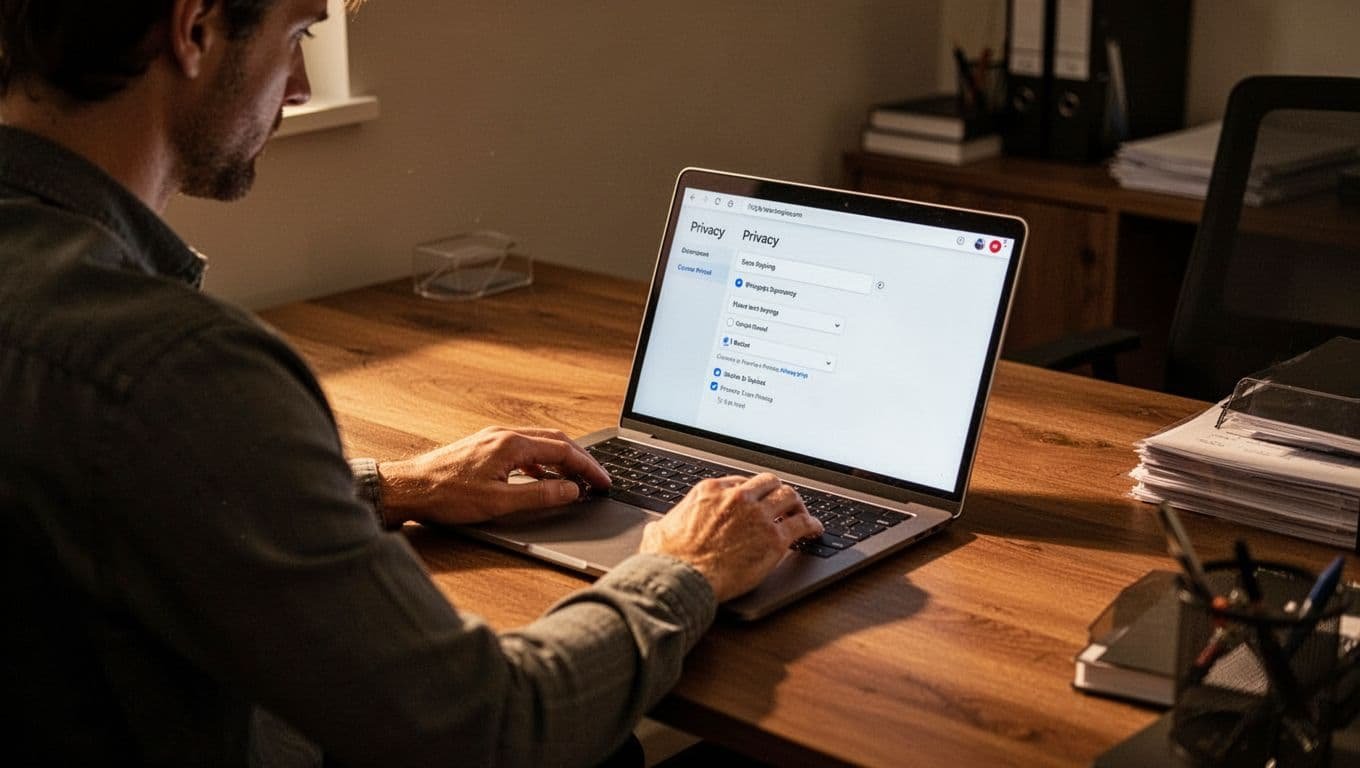
Use a separate email address for dating accounts, choose strong unique passwords, and turn on two-factor authentication. Also review your social media privacy settings, limit connections between your dating profile and personal accounts, and avoid sharing live location details or regular patterns, such as where you exercise every morning.
Never Share Intimate Photos Under Pressure
A request for nude or sexual images can create risk even when the person seems kind, trustworthy, or emotionally invested. Once you send a private image, you lose control over where it goes. Someone may threaten to share it with your friends, family, coworkers, or followers unless you send money or more images.
You never owe a match a photo to prove attraction, trust, or commitment. Refuse pressure clearly, and avoid including identifying details in any intimate image, such as your face, tattoos, home, workplace, or recognizable surroundings. If someone threatens you, don’t negotiate or send more content. Save screenshots, block the account, report sexual coercion through the dating app, and contact appropriate local authorities.
The same rule applies to money. A match should never receive loans, gift cards, cryptocurrency, banking details, or payment through services such as Western Union or MoneyGram. Common scam stories involve an emergency, travel trouble, medical bills, an investment opportunity, an inheritance, or money supposedly trapped overseas. The Federal Trade Commission’s romance scam advice explains why these requests should be treated as fraud warnings.
Use Boundaries as a Simple Safety Test
A respectful match accepts a slow pace, personal questions, privacy limits, and a clear no without anger. You can stay on the dating app, delay a phone call, decline a photo request, or postpone meeting. Their response gives you useful information.
Guilt trips, insults, threats, jealousy, repeated requests, and aggressive reactions are meaningful warning signs. When someone ignores a boundary, end contact rather than trying to protect their feelings. You can also review these healthy relationship boundaries for practical ways to communicate limits.
If you’ve sent money, stop communicating, preserve messages and transaction records, report the account, and contact your bank or payment provider immediately. Acting quickly may improve your options for securing accounts or disputing a payment.
How to Check That a Match Is Genuine Before Meeting
Online verification should help you make a calmer decision, not turn every conversation into an investigation. Compare the profile with what the person tells you, ask reasonable questions, and notice whether their actions stay consistent before arranging an in-person date.
Questions That Help Reveal Inconsistencies
Let the conversation develop naturally. Ask what they do for work, how they spend a typical weekend, what hobbies they enjoy, or what they hope to find on the dating site. You might also ask how long they’ve lived in their area or what they like about it.
These questions aren’t a test. They give you a chance to compare their answers with the details in their profile and notice whether their story makes sense over time. Pay attention if their job, location, name, relationship status, or personal history keeps changing. Vague replies, constant subject changes, and repeated excuses for avoiding a video call can also raise concern.
Common catfishing patterns include copied photos, a profile that uses a different name elsewhere, claims of living nearby while always being abroad, or an inability to meet despite weeks of conversation. A reverse-image search may provide useful context, but it can’t prove someone’s identity by itself. Online dating safety guidance also recommends limiting personal information and protecting your account details.
Give reasonable explanations room. Someone may be nervous, private, busy, or uncomfortable with video calls. Look for a pattern rather than treating one awkward answer as proof of deception.
Signs the Person May Be a Real Match, Not Just a Good Profile
A genuine match usually communicates with reasonable steadiness and answers normal questions without making you feel guilty for asking. They can explain their basic circumstances, respect your privacy, and accept that trust takes time. Their identity, photos, location, and relationship goals should remain broadly consistent.
A live video call is a useful next step before meeting. It doesn’t guarantee safety, but it can help confirm that the person matches their photos and communicates naturally. Keep the pace mutual, too. Someone who respects your schedule and agrees to meet in a public place shows better judgment than someone who pushes for secrecy or urgency.
Tell a trusted friend who you’re speaking with, share the planned meeting details, and keep screenshots of concerning messages. If the person repeatedly avoids reasonable verification or reacts angrily to simple boundaries, knowing when to leave a relationship can help you act before emotional investment clouds your judgment.
Trust should grow through repeated actions, not a polished profile or intense early attention.
Plan a First Date That Keeps You in Control
A safe first date gives you choices. Meet during the day or early evening in a busy public place, such as a cafe, restaurant, museum, or busy park. Harvard’s dating safety guidance also recommends avoiding private or remote locations for a first meeting.
Arrange your own transportation, whether you drive, use public transit, take a rideshare, or ask a friend for a lift. Don’t accept a ride from someone you’ve just met, and don’t let your date pick you up at home. Keep your phone charged, your belongings with you, and your drink within sight. Limiting alcohol also helps you stay alert and make clear decisions.
Before leaving, tell a trusted person:
- The date’s name, profile, and phone number, if you have it.
- The exact venue and your planned arrival and return times.
- How you’ll get home and when they should expect your check-in.
Agree that your friend will call or message at a set time. Sharing your live location can provide extra support, but never share your home address with your date. Avoid going to either person’s home, changing plans to a secluded location, or accepting pressure to continue somewhere private.
Setting and communicating your personal boundaries gives you a clear standard before emotions or social pressure take over. You can end a date at any time, even if the other person paid, traveled a long way, or seems disappointed.
What to Do If the Date Feels Wrong
Discomfort is enough reason to leave. The other person doesn’t need to break an obvious rule before you act. Say, “I don’t think this is a fit, so I’m going to go,” then leave without debating your decision.
If you feel watched, followed, threatened, or unable to leave safely, move toward staff, security, a busy counter, or a group of nearby people. Call a friend and say, “I need you to stay on the phone while I leave.” You can also tell an employee, “I don’t feel safe. Can you help me get to my transportation?” Call 911 when you face immediate danger.
How to Report, Block, and Recover After a Bad Experience
Block someone when they harass you, ignore your boundaries, send unwanted sexual content, make threats, impersonate another person, claim to be underage, request money, or create a profile that appears suspicious. Before blocking, save the username, profile link, messages, payment records, and screenshots, but only if doing so feels safe.
Use the dating platform’s reporting tool and choose the closest category, such as scam, harassment, threats, impersonation, underage user, or sexual content. If you shared financial details or sent money, contact your bank immediately. Change affected passwords, enable two-factor authentication, and report fraud to the FTC or local law enforcement when appropriate.
A bad experience is never your fault. Save support messages, ask someone you trust to stay involved, and give yourself time before returning to dating.
Frequently Asked Questions
Even careful daters can face gray areas that don’t fit neatly into one warning sign. These answers can help you decide what to do when a match’s behavior feels uncertain.
Should I be concerned if a match has no social media accounts?
Not necessarily. Some people keep their accounts private, avoid social media, or use different names online. However, be cautious if the person has no online presence and also refuses a video call, gives inconsistent details, or pressures you to trust them quickly. Treat the missing information as one factor, not automatic proof of deception.
How long should I talk to someone before meeting in person?
There is no fixed timeline that works for everyone. Meet when you feel comfortable, after you have had enough conversation to spot inconsistencies and, ideally, completed a live video call. If someone pushes for a meeting before you’re ready, respect your own pace and postpone it.
Can a scammer pass a video call?
Yes. A video call can show that someone matches their photos, but it doesn’t confirm their identity, intentions, or honesty. Scammers may use stolen identities, rehearsed stories, or video calls to build trust. Keep watching for money requests, secrecy, contradictions, and pressure after the call.
What should I do if I suspect a match is fake but have no proof?
You don’t need courtroom-level proof to stop communicating. Save relevant messages if you can do so safely, report the profile through the dating site, and block the person. If the match requested money or personal information, review the FTC’s romance scam guidance and contact your bank if you shared financial details.
Is it rude to cancel a date because I feel uncomfortable?
No. You can cancel for any reason, including a vague feeling that something isn’t right. Send a brief message if you feel safe, avoid debating your decision, and block the person if they respond with insults, threats, or repeated pressure. Your safety matters more than protecting a stranger’s feelings.
When should I stop giving someone another chance?
Look at the pattern, not a single awkward moment. End contact when a person repeatedly ignores your boundaries, changes important details, asks for money, refuses reasonable verification, or makes you feel anxious and controlled. Trust grows through consistent behavior, so repeated discomfort is enough information to step away.
Conclusion
Knowing what to look out for on dating sites helps you recognize patterns before they become personal risks. Pay attention to inconsistent stories, rushed intimacy, secrecy, ignored boundaries, and pressure to move off the app. Protect private information, never send money, and verify a match’s identity through steady communication and a video call before meeting.
When you arrange a first date, choose a busy public place, tell someone you trust where you’ll be, and use your own transportation. Healthy connections make room for questions, privacy, and a comfortable pace. Trusting yourself is part of dating wisely, and leaving a conversation or date is always a valid choice when something feels wrong.
Save the pin for later

- 8 Signs Your Ex Is Testing You And What It Really Means - September 18, 2026
- 12 Qualities Every Good Man Should Have - September 18, 2026
- How to Write a Dating Profile for a Woman Over 45: 9 Simple Steps - September 18, 2026