
 Orji Chigozie Henry
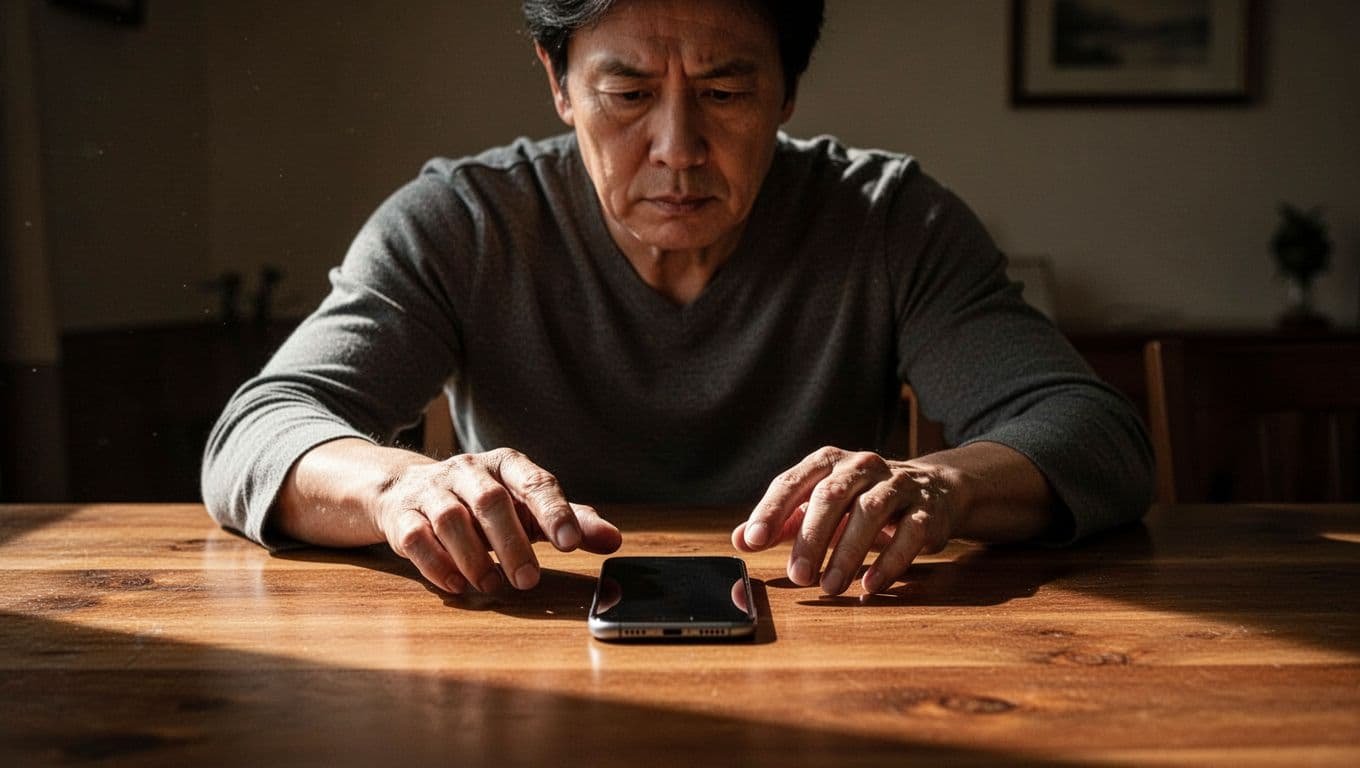
When a man suddenly stops replying, avoids you, or turns cold, the confusion can hurt as much as the silence itself. You may keep replaying recent conversations and wonder whether you said or did something wrong, but his behavior can have several causes, including stress, conflict avoidance, fading interest, fear of vulnerability, or an attempt to control the situation.
Look at the pattern rather than guessing from one quiet moment. His silence, the context around it, and the effect it has on your well-being can tell you more than assumptions ever will. As you assess what’s happening, setting communication boundaries with your partner can help you respond with self-respect instead of chasing answers.
The sections ahead will help you understand why he may be snubbing you, respond calmly, and decide what limits protect your peace.
Key Takeaways
- His silence may reflect stress, emotional overwhelm, conflict avoidance, fading interest, or uncertainty about the relationship.
- Look for a repeated pattern, not one quiet day, before deciding what his behavior means.
- Send one calm message, then give him reasonable space instead of repeatedly seeking reassurance.
- Your boundaries matter, especially when silence becomes punishment or leaves you feeling anxious and dismissed. Learn more about recognizing relationship deal breakers.
- You deserve clear, respectful communication, so decide what behavior you will accept and when you will step back.
Why he is snubbing you: the most likely reasons
Only he knows the exact reason for his silence, so treat these possibilities as clues, not facts. Pay attention to the surrounding events, his usual communication style, and whether this is a brief pause or a repeated pattern.
He feels overwhelmed, stressed, or emotionally flooded
Work pressure, family problems, anxiety, or intense emotions can make someone shut down. He may stop replying because he lacks the energy to explain himself, not because he has decided to reject you.

That withdrawal can be a coping response, sometimes called emotional flooding or stonewalling. Still, stress does not remove the need for basic respect. He can say, “I’m overwhelmed and need some time. I’ll contact you tomorrow.” Healthy communication includes taking space and returning to the conversation.
He is avoiding conflict because he does not know what to say
After an argument, he may ignore your messages because confrontation makes him anxious. He might fear saying the wrong thing, expressing his feelings, or facing your disappointment.
However, avoiding a difficult conversation leaves the original problem untouched. Silence may reduce his discomfort for a few hours, but it usually increases your confusion. A respectful partner can request a break without making you guess whether the relationship is safe.
He is hurt, angry, or reacting to something that happened
Perhaps he felt rejected, criticized, embarrassed, or misunderstood. Review the recent exchange honestly. Did you dismiss something important, break an agreement, or speak harshly?
If you clearly crossed a line, offer a direct apology without adding excuses. At the same time, don’t accept blame for feelings or actions you didn’t cause. A healthy relationship depends on accountability from both people, along with healthy relationship habits.
His interest has changed or he wants to create distance
Fading interest often appears as inconsistent replies, canceled plans, little effort, and no curiosity about your life. One delayed message means very little, but a steady pattern of low effort may show that his feelings have changed.
Ignoring you is an immature way to step back. You deserve direct communication rather than mixed signals that leave you decoding every interaction.
He may be using silence to gain control or punish you
A respectful break has a clear reason and a return point. The silent treatment is different because it withholds contact to create fear, guilt, or compliance. Warning signs include ignoring you after you set a boundary, withholding affection until you apologize, or returning only when he wants something.
If his silence repeatedly makes you feel anxious and powerless, take it seriously. Punishment, manipulation, or intimidation can be emotional abuse, especially when the pattern continues after you explain its effect. Gottman’s distinction between stonewalling and silent treatment can help you recognize the difference.
How to tell what his silence really means
Silence becomes easier to understand when you study the pattern instead of analyzing every message. Look at the timing, his usual behavior, your relationship status, and whether he explains that he needs space.

Look at the timing and what happened before he pulled away
Start with a simple question: What happened immediately before he became distant? His silence may have followed an argument, an emotional conversation, a date, or a boundary you expressed. It may also have appeared without any clear event.
Context can offer clues, but it cannot prove his motive. For example, pulling back after an intense conversation may point to discomfort or overwhelm. Still, you can’t know whether he feels hurt, needs time, or wants to end the connection without more evidence.
Write down the facts before your mind fills in the gaps:
- You sent a message on Tuesday afternoon, and he has not replied.
- He canceled Friday’s plans without suggesting another time.
- He said he needed space, but gave no timeframe.
- You had an argument the night before he stopped responding.
This approach separates what you know from what you fear. It also helps you notice whether the silence lasts hours, several days, or keeps returning after difficult conversations.
Notice whether his actions match his words
Reliable interest usually includes steady effort, follow-through, and clear communication. Someone can be busy and still send a quick update, keep a plan, or suggest another time to talk. A short message such as, “Work is hectic today, but I’ll call tomorrow,” gives you useful information.
Fading interest looks different. He may make vague promises, disappear repeatedly, return when convenient, and avoid addressing how his absence affected you. His words may sound warm, but his actions leave you carrying the entire relationship.
| Pattern | What you may notice |
|---|---|
| Healthy space | He explains his need for time and returns to the conversation. |
| Ordinary busyness | Replies slow down, but he remains consistent and follows through. |
| Fading interest | Effort decreases, plans stay vague, and contact becomes one-sided. |
| Harmful silent treatment | He ignores you to punish, control, or force an apology. |
A stated need for space is easier to respect than unexplained disappearance. The Gottman Institute’s explanation of stonewalling and silent treatment also distinguishes emotional overwhelm from intentional punishment.
Pay attention to how you feel around the pattern
Your emotional response is useful information. Repeated silence may leave you anxious, self-doubting, or hypervigilant, as though you must monitor every word to prevent another withdrawal.
You may also feel an urge to chase reassurance by sending more messages, apologizing for things you didn’t do, or accepting less than you need. Feeling anxious does not automatically prove abuse, but ongoing confusion deserves attention. Ask whether this connection gives you enough clarity to feel respected and secure.
What to do when he is ignoring you without losing your self-respect
When he ignores you, your first goal is not to force an explanation. Your goal is to communicate clearly, protect your dignity, and watch what he does next. One calm message gives him a fair chance to respond without asking you to chase him.

Send one calm message that names the behavior and your need
Keep your message brief and specific. Say what you noticed, explain how it affects you, and state the communication you need. Avoid accusations such as “You never care” or “You are playing games,” because they can turn a difficult situation into another argument.
After an argument, you might write:
“I know our conversation became tense. I would like to talk about it when we’re both calmer. Do you need some time, and when can we talk?”
If contact suddenly dropped, try:
“I’ve noticed we haven’t been talking as much, and the change has left me confused. Are you still interested in staying in touch? Please be honest with me.”
For an ex or someone you’re dating, a simple message may be enough:
“I haven’t heard from you. If you need space, please tell me. I prefer clear communication, so let me know whether you want to continue talking.”
Send the message once, then stop. A long series of texts, repeated calls, or attempts to provoke jealousy usually increases your anxiety without creating honest communication.
Give him reasonable space, but do not wait forever
Healthy space includes some clarity. Someone might say, “I need tonight to cool down, but I want to talk tomorrow.” That request gives you both room without leaving you suspended in uncertainty.
Choose a time limit that fits the situation. After a minor disagreement, waiting until the next day may be reasonable. After repeated unexplained disappearances, you may decide that several days without communication is more information than you need.
Giving him space does not mean putting your plans, sleep, or emotional well-being on hold. Continue your normal routine, spend time with people who support you, and avoid checking your phone every few minutes.
Have a direct conversation if he comes back
When he returns, ask open questions instead of pretending nothing happened:
- “What was happening for you when you stopped responding?”
- “What did you need at that point?”
- “How can we handle conflict differently next time?”
Pay attention to his response. Does he listen, take responsibility, and offer a realistic change? An apology matters, but an apology without changed behavior is not enough. Stonewalling and the silent treatment can look similar, but the Gottman Institute’s explanation of the difference can help you assess the pattern.
Know when to stop chasing an answer
You may never receive a reason that feels satisfying. Closure can come from deciding what behavior you will accept, even when he refuses to explain himself.
Step back if he repeatedly ignores clear messages, avoids every honest conversation, or gives just enough attention to keep you waiting. Talk with a trusted friend or counselor if the situation has damaged your confidence or left you feeling overwhelmed.
Protect your confidence and set a clear boundary
His silence can trigger painful thoughts, but his lack of communication is not a measurement of your value. You can reflect on your part without making yourself responsible for his choices. Focus less on decoding him and more on protecting your confidence, time, and emotional safety.
Do not turn his silence into a judgment about your worth
You may wonder whether you were too needy, too emotional, or not attractive enough. Those thoughts often appear when someone withdraws without explanation, but they are assumptions, not evidence. Wanting a reply, asking for clarity, or expressing hurt does not automatically make you difficult.
Balanced self-reflection still matters. If you sent an insulting message, broke an agreement, or reacted in a way you regret, you can acknowledge it and offer a sincere apology. A mistake that can be repaired is different from another person’s unwillingness to communicate.
While you wait, step away from the phone. Keep your plans, eat normally, and spend time with someone grounded who can help you separate facts from fears. Avoid rereading every message or changing your appearance and personality to earn his attention. His silence may describe his coping style or his interest in the relationship, but it does not define your worth.
Set a boundary you can actually follow
A boundary states what you will accept and what you will do if the pattern continues. An ultimatum tries to control the other person’s behavior through fear or pressure. You cannot force him to reply, but you can decide how long you will remain available to unexplained silence.
You might say:
“I am willing to talk when we can communicate respectfully. If you continue to disappear without explaining, I will step back from this relationship.”
Only use a boundary you are prepared to follow. That may mean reducing contact, ending a conversation when he becomes dismissive, declining last-minute plans, or leaving the relationship if the pattern continues. A boundary has little effect when you repeatedly announce it but take no action.
Recognize when the situation may be unsafe
Repeated silent treatment becomes more serious when it appears with threats, intimidation, monitoring, stalking, isolation, financial control, or pressure to seek permission for ordinary activities. These behaviors can create fear and limit your independence. Resources such as WomensLaw’s information on isolation explain how controlling partners may restrict contact with friends and family.
If you feel unsafe, tell a trusted person what is happening and contact a local domestic violence support service. Call 911 if you face immediate danger. You are not to blame for staying, hoping things improve, or needing time to make a safe plan. Your safety comes before getting one more explanation from him.
Frequently Asked Questions
His silence can leave you searching for a simple answer, but the meaning depends on his pattern, context, and willingness to communicate. These answers can help you respond without guessing or abandoning your own needs.

Is he snubbing me because he likes me?
Shyness or nervousness can make someone seem distant, especially after an intimate conversation or an emotionally important moment. However, deliberate ignoring is not reliable proof that he likes you. Judge his interest by respectful, consistent effort, clear communication, and whether he follows through, rather than trying to decode confusing behavior.
Someone who likes you may still feel awkward, but he should make some effort to stay connected. If his distance repeatedly leaves you anxious and guessing, focus on what he does instead of creating a romantic explanation for poor treatment.
How long should I wait before texting him again?
The right amount of time depends on what happened. If he clearly asked for space, respect the timeframe he gave you, or allow a reasonable period after a tense conversation before checking in once.
Send one clear message, such as, “I hope you’re okay. Let me know when you’re ready to talk.” After that, avoid repeated follow-ups. His lack of response gives you information, even if it doesn’t provide the explanation you wanted. You can decide how long you want to remain available without waiting indefinitely.
Should I ignore him back?
Copying his behavior often creates a cycle of hurt, guessing, and delayed communication. Step back for your own protection, not as a tactic to make him chase you or prove his feelings.
If you still want the relationship, speak directly when both of you are calm. Explain that unexplained silence doesn’t work for you, then watch whether he responds with honesty and respect.
What if he says he was busy but keeps doing it?
One busy period may be understandable, especially if he communicates afterward and makes an effort to reconnect. Repeated disappearances should be judged as a pattern, not excused as isolated busyness.
Ask for a communication standard that works for both of you. You might say, “If you get busy, please send a quick message and tell me when you’ll reconnect.” His actions after that conversation matter more than his explanation.
Can a relationship recover after the silent treatment?
Recovery is possible when both people name the problem, accept responsibility, and agree on healthier ways to pause and reconnect. A planned break is different from withdrawing to punish someone, and Gottman’s explanation of stonewalling can help clarify that difference.
Recovery becomes unlikely when he denies the pattern, repeats the punishment, or refuses to change. You may need to leave if silence continues to damage your emotional safety.
What should I do if he never explains why he ignored me?
You can make a sound decision without receiving a perfect explanation. Consider the repeated pattern, how the situation affects your well-being, and whether he shows any willingness to communicate honestly.
Sometimes his refusal to explain becomes the answer. If you have asked clearly and he continues to disappear, you can step back or end the connection based on the evidence you already have.
Conclusion
His snubbing may come from stress, fear, hurt, fading interest, or a desire for control. You may understand the possible reasons, but you cannot solve the communication problem alone. His silence becomes meaningful when you look at the pattern, the context, and whether he takes responsibility when he returns.
Send one calm message that names what you’ve noticed and asks for clarity. Then allow reasonable space without putting your life on hold. Watch his consistent actions, not just a reassuring explanation. If he keeps disappearing, avoids honest conversations, or uses silence to punish you, set a boundary you are prepared to follow.
You don’t need to chase someone into treating you with basic respect. You deserve clarity, respect, and a relationship where problems can be discussed openly.
Save the pin for later


- 8 Signs Your Ex Is Testing You And What It Really Means - September 18, 2026
- 12 Qualities Every Good Man Should Have - September 18, 2026
- How to Write a Dating Profile for a Woman Over 45: 9 Simple Steps - September 18, 2026