 Orji Chigozie Henry
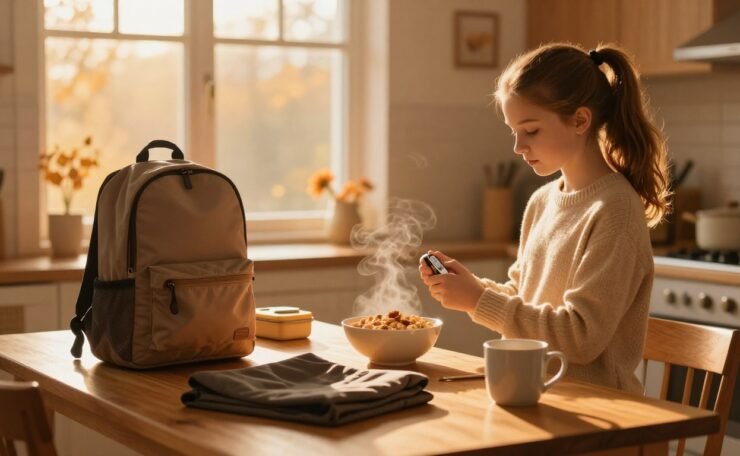
Cooler, darker fall mornings can make school days feel rushed before they even begin. Jackets go missing, homework gets forgotten, and everyone seems to need something at the same time.
A successful fall morning routine for school doesn’t require waking up extremely early or making every minute perfect. It works best when you prepare the night before, follow the same simple order, protect your child’s sleep, and give children or teens enough independence to manage age-appropriate tasks. A consistent plan can also make new routines easier to maintain, as explained in this guide on how to create a daily routine.
Next, you’ll find a practical 45-minute schedule, evening preparation tips, easy breakfast and clothing ideas, age-based adjustments, and simple fixes for common morning problems.
Key Takeaways
- Prepare clothes, backpacks, lunches, and breakfast items the night before to reduce morning decisions.
- Follow the same 45-minute order: wake up, dress, eat, brush teeth, check belongings, and leave.
- Use a visible schedule, simple timers, and a central launch spot for coats, shoes, and school bags.
- Give children age-appropriate responsibilities, then adjust the routine as they become more independent.
- Keep breakfast easy and mornings screen-free, as recommended in these morning routine tips for kids, while building habits that support why routines matter.
Build a Fall Morning Routine for School That Runs on Autopilot
A reliable school morning follows the same order each day, even when the clock changes. Keep a visible checklist nearby, store school items in one fixed place, and set one alarm or timer for each major step. The order matters more than exact times, but a five-minute departure buffer prevents small delays from becoming missed buses or rushed drop-offs.
A Simple School Morning Timeline for Younger Kids and Teens
Work backward from the time you need to leave. A relaxed morning usually needs 45 to 60 minutes, depending on age, transportation, breakfast, and how much help your child needs.
For a younger child, try this visual routine:
- Wake up and use the bathroom for 5 to 10 minutes.
- Get dressed for 10 minutes, with an adult reminder to follow the picture checklist.
- Eat breakfast for 10 to 15 minutes.
- Brush teeth and wash up for 5 minutes.
- Check the school bag, put on layers, and leave within 10 minutes.
Use simple pictures or short phrases such as “bathroom,” “clothes,” and “breakfast.” A calm reminder at each transition works better than repeating every instruction at once. Praise specific progress, such as getting dressed before the timer rings.
Teens still need structure, but they should own more of the process. Set a realistic wake-up time, then protect the first 15 to 20 minutes from phones. During that phone-free block, they can use the bathroom, dress, and get moving without losing time to notifications.
Their checklist might include breakfast, brushing teeth, weather-ready layers, bag check, and departure. Let your teen choose the alarm, clothing, breakfast options, and school materials. If they forget something, review the system later instead of taking over every morning. Consistent routines help build daily discipline.
Adjust the Routine for Cold, Rainy, and Dark Fall Mornings
Fall weather can add several minutes to a normal routine. Check the forecast before bed, then keep coats, backpacks, shoes, raincoats, and umbrellas near the door.
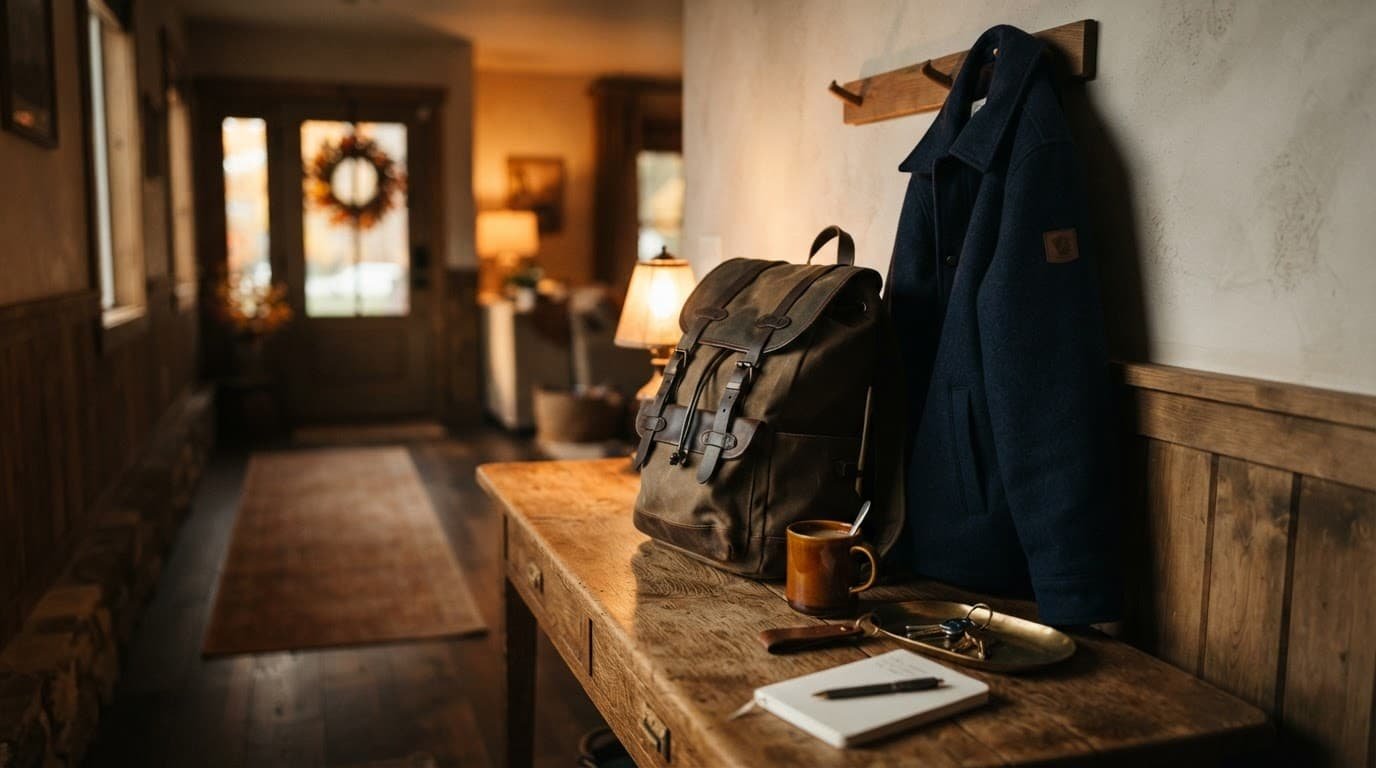
On dark mornings, turn on bright lights, open curtains, or use a gentle wake-up cue. Add time for layers, wet shoes, and slower transportation. Place damp footwear on a mat or drying rack, and never send children outside without weather-appropriate clothing. A predictable checklist keeps seasonal changes from disrupting the whole morning.
Prepare the Night Before to Prevent the Morning Rush
The easiest school mornings begin before bedtime. A short evening reset reduces the decisions children and parents must make when everyone is tired, so the morning can follow a familiar path instead of becoming a search mission.
Use a Family Launch Pad for Bags, Coats, and School Gear
Choose one spot near the exit for everything that needs to leave the house. A bench, shelf, or row of hooks can hold backpacks, coats, shoes, keys, and lunch bags. Give each child a labeled hook or bin, using names, initials, or a simple color system they can recognize.
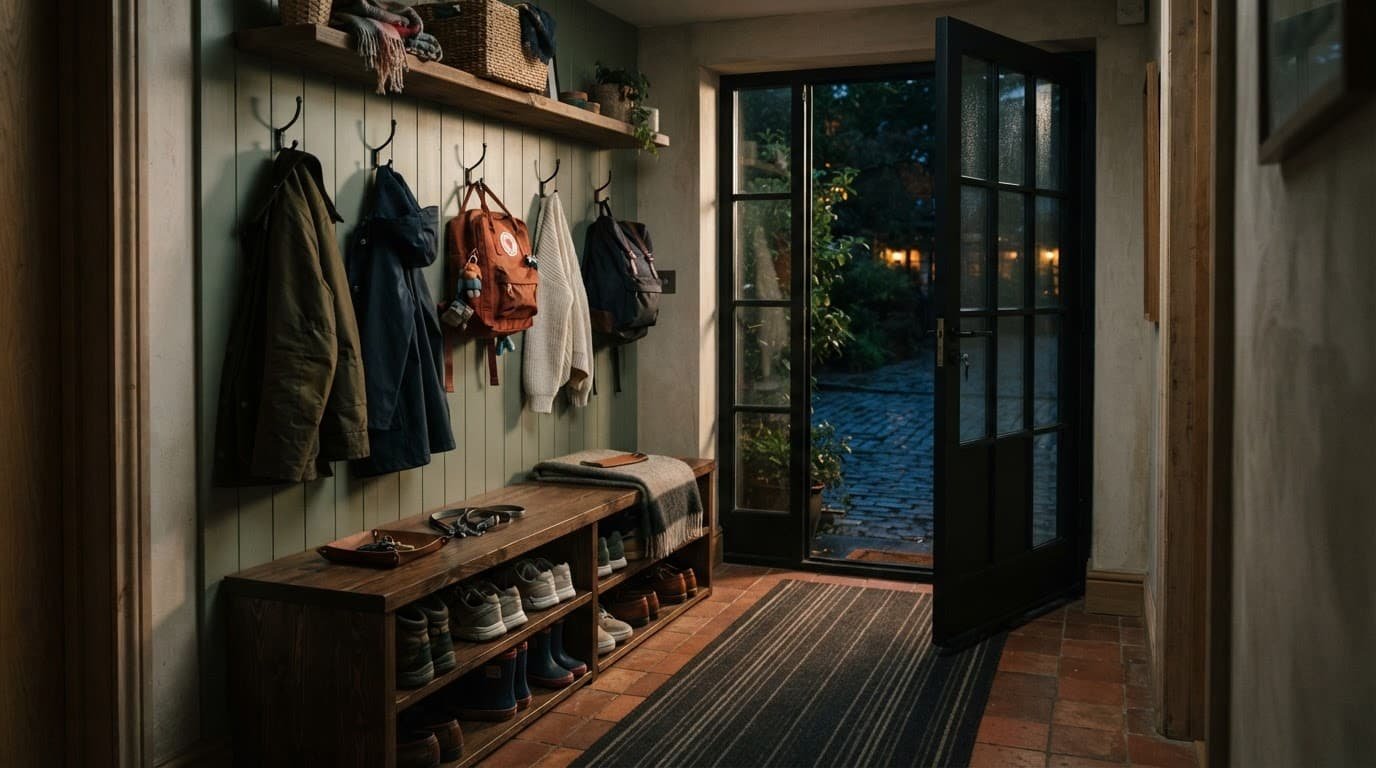
During a 10-minute school reset, children can place homework in their bags, return library books, add permission forms, and gather rotating items such as gym clothes, instruments, or sports gear. Check the next day’s weather, then lay out a complete outfit, including socks, shoes, and a jacket. Prepare lunch, fill the water bottle, and charge any required device outside the bedroom.
Keep a short written checklist by the launch pad:
- Backpack packed and homework included.
- Lunch and water bottle ready.
- Gym clothes, instrument, or special forms added.
- Shoes, coat, keys, and bag placed by the door.
In the evening, an adult can ask, “What needs to leave with you tomorrow?” In the morning, the bag check should take less than two minutes. The child opens the backpack, checks the checklist, and confirms any unusual item. Over time, this small system supports building healthy habits without requiring constant reminders.
Protect Sleep So Waking Up for School Feels Easier
Preparation cannot replace sleep. Keep bedtime and wake-up times fairly consistent, including on weekends when possible. Younger children and teens have different sleep needs, so use age-appropriate guidance rather than forcing one schedule for everyone. The Sleep Foundation’s school-age sleep guidance explains these differences.
About an hour before bed, dim the lights and shift toward calm activities. Limit stimulating screen use late at night, and charge phones or tablets outside the bedroom. A cool, quiet, dark room can also make winding down easier. If persistent trouble falling asleep, staying asleep, or waking occurs, discuss it with a qualified health professional.
Keep Breakfast, Clothing, and Self-Care Simple on Busy Mornings
A calm fall morning depends on reducing choices, not rushing through essentials. Rotate three or four filling breakfasts, keep dependable outfits ready, and follow the same short self-care routine each day. These small systems support better morning punctuality without making children feel pressured.
Make Fall Layers Easy to Choose and Wear
Keep a small collection of school-ready fall outfits together. Each set should include a comfortable shirt, pants, socks, sweater, jacket, and weather-appropriate footwear. Check the forecast the night before, along with school dress rules and anything that could bother your child, such as scratchy fabric, tight waistbands, or wet shoes.

You don’t need a large wardrobe for weekday mornings. Two or three dependable combinations can cover most fall days. Offer limited choices, such as, “Would you like the green sweater outfit or the blue one?” Two clear options help children practice independence without facing an overwhelming closet.
For younger children, use picture labels on drawers or hang complete outfit sets on low hooks. A picture of socks, pants, and a sweater can guide a child who cannot read yet. Teens should have more control over their style, but keeping a few reliable outfits ready can prevent last-minute searching.
Create a Calm Start Without Screens or Arguments
Television, gaming, social media, and repeated phone checking can make 45 minutes disappear. Notifications also pull attention away from dressing, breakfast, and packing up, which often leads to conflict when someone finally says, “We have to leave.”
Try a supportive screen-free morning rule. A charging station outside the bedroom keeps phones from becoming the first morning distraction. If music helps your household move, choose a calm playlist that lasts about 20 to 30 minutes and use it as a gentle time cue.
Keep breakfast predictable with options such as yogurt with fruit, eggs and toast, oatmeal with nuts or seeds when safe, or a smoothie with whole-grain toast. Preparing ingredients the night before makes these choices easier. For more ideas, see these quick school breakfast recipes.
Leave time for washing the face, brushing teeth for about two minutes, combing hair, taking needed medication as directed, and checking clothing against the weather. Children shouldn’t skip breakfast or rush through hygiene every day just to leave on time. A hug, kind greeting, or one positive reminder usually works better than constant criticism.
Help Kids and Teens Become More Independent Without Losing Structure
Independence grows best inside clear boundaries. Your child can manage more of the morning when the order stays predictable, expectations remain clear, and responsibility increases one step at a time.
Use Choices, Checklists, and Timers to Reduce Resistance
Limited choices give children control without turning the morning into an open-ended negotiation. Offer two breakfasts, such as oatmeal or yogurt with fruit. Let your child choose between two sweaters, or decide whether to brush teeth before or after breakfast when both options fit the schedule.
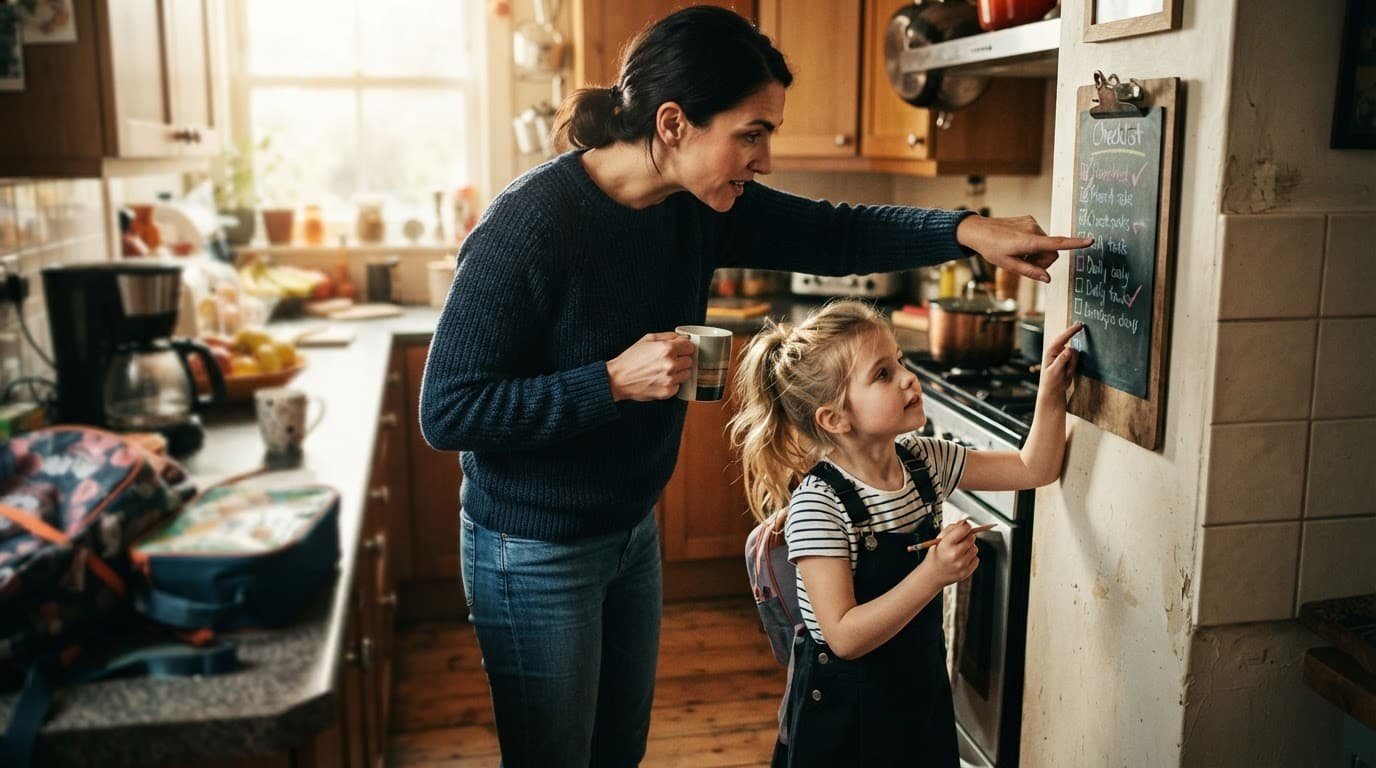
Younger children often respond well to a picture checklist showing tasks such as getting dressed, eating, brushing teeth, and putting on shoes. Keep it at their eye level, then use calm prompts such as, “Check your next step.” A printable morning routine checklist can provide a starting point, but you can also create one with simple drawings.
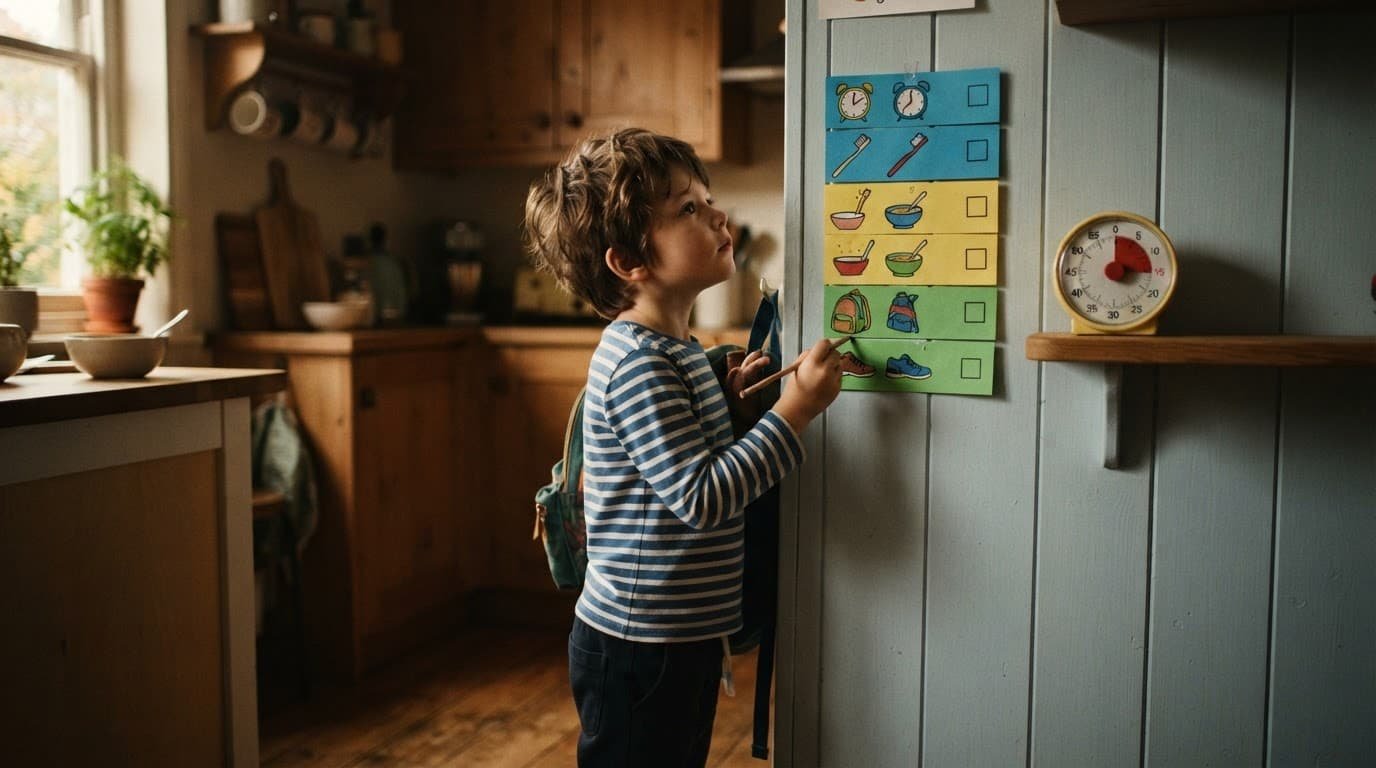
Older children can take charge of more tasks, including dressing, clearing breakfast dishes, and checking their backpack. Teens may set their own alarm, prepare a simple breakfast, and choose whether they shower at night or in the morning. Parents still set the limits for sleep, safety, school materials, and departure time.
Phone-free kitchen timers or simple alarms help older students see when a task needs to end. Use them as neutral prompts, not threats. “The timer says it’s time to move to breakfast” feels different from “If you don’t hurry, you’ll lose your phone.”
Teach one responsibility at a time. Once your child handles dressing consistently, add the backpack check. Gradual practice builds confidence without removing the structure they still need.
Know When to Change the Routine Instead of Blaming the Child
If your child repeatedly rushes, skips meals, argues, or arrives late despite consistent effort, the schedule may be unrealistic. Daily yelling is also useful information. It often means the plan needs adjustment, not that your child needs harsher reminders.
Move bedtime earlier, remove nonessential morning tasks, prepare more items at night, or allow extra transportation time. Also consider anxiety, attention challenges, uncomfortable clothing textures, or ongoing sleep difficulties. Talk with your child’s teacher, school counselor, pediatrician, or another qualified professional when these concerns persist. A better routine should reduce pressure while preserving clear expectations.
Fix the Most Common School Morning Problems
Even a well-planned fall morning can go off track. The best response is a short troubleshooting plan, not louder reminders. Identify the cause, test one change for a week, and keep the routine focused on safety and departure.
What to Do When Someone Wakes Up Late
When the alarm gets missed, follow the same priority order every time:
- Use the bathroom.
- Put on simple clothes.
- Take essential medication or meet health needs as directed.
- Eat a quick breakfast.
- Brush teeth.
- Grab the packed bag.
- Add weather gear.
- Leave safely.
Postpone hair styling, room tidying, nonessential chores, and outfit changes. Keep shelf-stable backup foods, such as whole-grain bars or crackers, plus a spare hat, raincoat, or umbrella near the launch pad. Avoid unsafe rushing, skipping prescribed medication, or sending a child outside without suitable layers.
How to Stop Lost Items and Last-Minute Searching
Lost belongings usually point to an unclear storage system, not a character flaw. Give every frequently used item a home, including keys, glasses, headphones, sports gear, permission forms, and musical instruments. Labeled bins, hooks, and a launch pad near the door make returning items easier.
Each evening, complete a quick bag check. Then use a door-side checklist with this exact order: bag, lunch, water, coat, shoes, and keys. If leaving late happens often, test a five-minute earlier bag check and place the checklist at the child’s eye level. These small changes support a more productive routine.
How to Reset After a Difficult Morning
Wait until everyone is calm, then have a short repair conversation. Ask, “What caused the delay?” Listen for sleep loss, confusing steps, sibling conflict, hunger, anxiety, or a missing item.
Choose one change to test for the next week. You might move the alarm, prepare breakfast earlier, or separate siblings during dressing. Avoid turning one hard morning into a judgment about your child’s character. Routines improve through small adjustments and repeated practice, especially during the transition into a new school year.
If the morning goes badly, skip nonessential tasks, use the backup breakfast, grab the prepacked bag, and communicate calmly. Reset that evening instead of starting a blame cycle the next day. For more practical ideas, see these solutions for common morning problems.
Frequently Asked Questions
A few small decisions can determine whether a fall school morning feels calm or chaotic. Use these answers to adjust the routine to your child’s age, needs, and departure time.

How much time should a student need for a school morning routine?
Many students need about 45 to 60 minutes from waking up to leaving home. The right amount depends on age, transportation, breakfast, hygiene needs, and how much you prepare the night before.
Test the routine on a normal school day rather than during a relaxed weekend. Work backward from the departure time, then add a small five- to 10-minute buffer for missing shoes, weather changes, or a final backpack check. Raising Children Network’s school morning tips also recommends allowing extra time so children don’t begin the day feeling rushed.
What is a good fall breakfast for school mornings?
Choose a breakfast that combines protein, fiber, and fluids without requiring complicated cooking. Yogurt with fruit, oatmeal with a safe topping, eggs and toast, or a smoothie with whole-grain toast can keep the meal simple and filling.
Keep two or three options available so your child isn’t deciding from an empty kitchen. Consider allergies, dietary needs, appetite, food preferences, and school rules before setting your breakfast rotation. A child who eats lightly in the morning may need a portable snack for later.
Should kids use their phones before school?
A screen-free morning often reduces distraction and conflict, especially when the schedule is tight. Notifications can pull attention away from dressing, eating, brushing teeth, and checking the backpack.
Set one clear rule that everyone understands. For example, your child can check the phone after getting dressed, eating, brushing teeth, and preparing to leave. Charging phones outside the bedroom overnight also makes it easier to start the morning without reaching for a screen.
How can I get my teenager to wake up on time?
Start with enough sleep, a consistent wake-up schedule, and a phone-free bedtime. Place the alarm across the room so your teen must stand up to turn it off, then let them choose the alarm and build their own plan.
Agree on one calm, predictable consequence for missing a responsibility, such as losing extra morning screen time. Avoid threats that change each day. Giving teenagers ownership can also help boost their self-confidence as they practice managing real responsibilities.
What should be prepared the night before school?
Prepare clothing, the backpack, homework, lunch, a water bottle, coat, shoes, sports gear, keys, forms, and any required devices. Check the next day’s weather and place everything near the door or in one family launch area.
A short nightly reset usually works better than trying to solve every problem in the morning. Ten focused minutes can remove the searching, choosing, and remembering that often creates the most stress.
Conclusion
The best fall morning routine for school is simple enough to repeat on ordinary days, including dark mornings, rainy weather, and occasional late starts. Prepare the backpack, clothes, lunch, and weather gear at night, protect sleep, then follow the same order each morning. Keep breakfast and clothing choices easy, limit screens and other distractions, and add responsibilities gradually as your child becomes more independent. These habits work best when they fit your family’s real schedule, as described in this guide to creating a daily routine.
Choose one or two changes to try tonight, such as setting up a launch pad or preparing breakfast ingredients. After a week, adjust the schedule based on what actually causes delays. A calm school morning comes from steady systems, patience, and practice, not perfection.
Save the pin for later

- 8 Signs Your Ex Is Testing You And What It Really Means - September 18, 2026
- 12 Qualities Every Good Man Should Have - September 18, 2026
- How to Write a Dating Profile for a Woman Over 45: 9 Simple Steps - September 18, 2026