
 Orji Chigozie Henry
Returning to school can feel awkward, especially when you’re meeting new classmates or trying to reconnect with friends after summer. You might want to start a conversation, but you don’t want to sound forced, ask something too personal, or create an uncomfortable silence.
The right back-to-school questions for teens make talking easier because they give everyone a low-pressure way to share. This list includes fun icebreakers, thoughtful prompts, group activities, and practical tips for using them in class, with friends, or at home. You’ll also find ideas that support clear and respectful communication without putting anyone on the spot.
Start with the lightest questions, pay attention to how people respond, and let the conversation develop naturally. First, try these easy questions to help teens connect without feeling pressured.
Key Takeaways
- Use light, school-related questions first, then let the conversation become more personal naturally.
- Mix playful prompts about food, music, hobbies, and dreams with thoughtful questions about goals and friendships.
- Try structured activities such as Two Truths and a Lie, question cards, or timed partner discussions.
- Respect boundaries by accepting short answers and avoiding pressure when someone seems uncomfortable.
- Listen closely, ask follow-up questions, and use these conversations to boost your self-confidence while building stronger connections.
The Best Back to School Questions for Teens Start With Low Pressure
Teens usually answer more openly when a question feels casual, optional, and easy to answer. A quick preference or summer memory creates less pressure than a serious question that demands personal details. Start small, listen closely, and let the conversation grow at its own pace.
Questions also work best when they match the group’s age, comfort level, culture, and setting. A prompt that feels funny with close friends may feel awkward in a classroom or new group.
Easy Questions About Summer, Favorites, and Everyday Life
Keep the first questions simple enough to answer in one sentence. These prompts give teens room to share without discussing private family matters, dating, money, or mental health.
- What was one thing you enjoyed doing this summer?
- What song have you played often lately?
- What food could you eat anytime?
- What hobby would you like to try this year?
- What game did you love playing when you were younger?
- What movie, show, or video has kept your attention recently?
- What is your favorite way to spend a free afternoon?
- If you could instantly improve one everyday skill, what would it be?
- What snack belongs in every school backpack?
- What small thing has made you laugh recently?
A teen can answer briefly, add a story, or ask the same question back. For more conversation practice, these prompts can pair well with advice on building inner confidence.

Fun This-or-That Questions That Keep the Conversation Moving
This-or-that questions make conversation feel more like a quick game. Silly answers are welcome, and nobody needs to defend a personal preference. Ask “Why?” only when the other person seems interested.
- Beach or mountains?
- Early mornings or late nights?
- Text messages or phone calls?
- Sweet snacks or salty snacks?
- Music or podcasts?
- Team sports or individual activities?
- Reading a book or watching a movie?
- Time travel to the past or the future?
- Wrestling a gorilla or swimming with alligators?
Respectful conversation has a few simple rules: listen without interrupting, avoid judging answers, and never pressure anyone to share. Let students pass, change the subject, or give a short answer without making them explain. These boundaries help questions feel inviting instead of demanding.
Back to School Questions for Teens That Build Confidence and Connection
Good questions help a quiet student join in, give returning friends something new to discuss, and help new classmates find common ground. Keep the tone relaxed, accept short answers, and never turn the conversation into a popularity contest.
Questions That Help Teens Share Their Strengths and Goals
Focus on effort, interests, and personal growth rather than grades, achievements, or social status. Try prompts such as:
- What is something you are proud of learning?
- Which skill would you like to improve this year?
- What helps you stay motivated when work feels difficult?
- When do you feel most like yourself at school?
- What kind of teammate do you try to be?
- What is one goal you have for this school year?
- What activity makes you lose track of time?
- How do you encourage yourself after a mistake?
- What would you like to try before the school year ends?
- What is one strength you bring to a group?
A teen can answer with a small example instead of giving a perfect response. Questions about progress can also support building self-confidence because they shift attention toward practice and persistence.

Questions for New Friendships and Better Classmate Conversations
These prompts help teens discover shared interests without asking for private information:
- Which club, sport, or activity sounds interesting to you?
- What book, show, podcast, or game have you enjoyed lately?
- Do you have a creative hobby, such as drawing, music, photography, or writing?
- What school tradition do you hope continues this year?
- What would make an ideal group project for you?
- What is your favorite way to spend time after school?
Keep the conversation moving with simple follow-ups. Ask, “What got you interested in that?” or “Have you tried it recently?” You can also say, “What do you like most about it?” Listening to the answer matters more than quickly sharing your own.
Questions That Encourage Kindness, Inclusion, and Belonging
Ask these questions without naming, teasing, or embarrassing anyone:
- What makes a group feel welcoming?
- How could classmates include someone who is sitting alone?
- What helps teamwork feel fair and comfortable?
- How can a class make it easier for new students to participate?
- What does respectful listening look like during a disagreement?
- What is one small way students can help others feel included?
These prompts build empathy when teens listen without interrupting or judging. They also encourage practical choices, such as inviting someone into a discussion or making room for another person’s idea. A safer classroom community begins with everyday moments of respect.
Interactive Ways to Use Back-to-School Icebreaker Questions
Back-to-school questions work better when teens have a clear way to participate. Movement, timed sharing, and written choices reduce awkward pauses because everyone knows what to do next. For more activity ideas, see these back-to-school icebreaker activities.
Try Two Truths and a Lie or Five Things That Describe Me
In Two Truths and a Lie, each person shares three statements about themselves. Two statements are true, and one is false. The group listens, guesses the lie, and then the speaker reveals the answer. Encourage fun topics such as hobbies, unusual skills, favorite foods, or memorable experiences.
For a quieter option, ask teens to write five things that describe me before sharing. Give them a few minutes to prepare, then let them choose whether to read all five or only one. They might include a favorite activity, a personal strength, a goal, or something they enjoy learning.
Keep both activities optional. Teens should be able to pass, write privately, or choose a less personal statement. Avoid prompts about family conflict, health, finances, dating, religion, or other sensitive subjects.
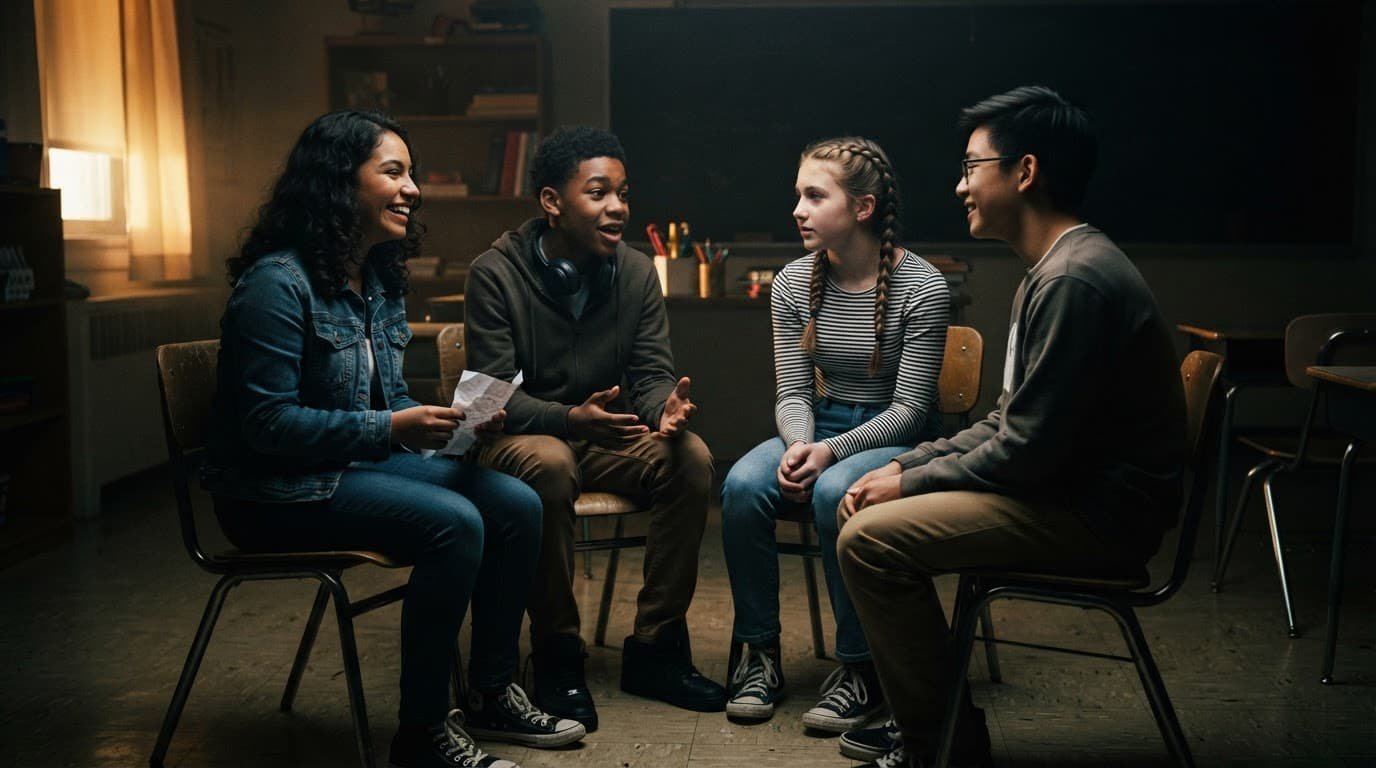
Use Human Bingo, Find-Someone-Who, or a Classmate Scavenger Hunt
Give each teen a card with safe prompts such as “has siblings,” “plays a sport,” “enjoys country music,” or “has visited another state.” Students move around the room and find classmates who match each prompt. They can ask one question, record a name, and continue to another person.
Set a five- or ten-minute limit so the activity stays focused. Require a different classmate for each square, which prevents repeated pairings and encourages wider participation. Students should never need to prove a match or reveal private details.
A seated version can work just as well. Hand out a written sheet, let students answer prompts about themselves, and invite volunteers to compare responses in pairs. This gives less social students a clear path into the activity without forcing them to mingle.
Make Question Circles, Speed Sharing, and Beach Ball Toss More Comfortable
Pair students or form two concentric circles. Give each pair one question and allow 60 seconds per answer. Then rotate one circle to create new pairs. Tell students to listen, avoid interruptions, and pass if they don’t want to answer.
For a beach ball toss, write one question in each section. The catcher answers the prompt closest to a thumb, then tosses the ball to someone who hasn’t had a turn. Students may pass the ball or skip a question, and the group should never pressure them to explain. Use a clear turn order or a participation list so everyone gets an opportunity.
Practice Listening With Back-to-Back Drawing and Telephone
In back-to-back drawing, one teen describes a simple image while a partner draws without seeing it. The speaker should give clear directions, and the artist can ask brief questions before continuing. Compare the drawing with the original, focusing on which instructions helped.
Telephone uses a whisper chain. One student hears a short message and quietly repeats it to the next person. Compare the first message with the final version without blaming anyone. Both activities show why patience, checking for understanding, and calm clarification matter when communication changes.
How to Choose the Right Questions for Class, Friends, or Family
The best back-to-school questions match the setting, group size, time available, and comfort level. A first-day class needs simple prompts, while close friends may enjoy questions that invite more personal answers. When in doubt, start light and let people choose how much they want to share.
Best Questions for a New Class or First Day
Use short, neutral questions that teens can answer in under a minute. Pairs or small groups usually feel safer than asking someone to speak first in front of the whole class.
- What was one highlight from your summer?
- Which subject are you most interested in this year?
- What hobby do you enjoy outside school?
- What is one goal you have for this school year?
- What helps group work feel easier?
- What is one thing that makes a class feel welcoming?
Give students a moment to think before they answer. A teacher can use a quick partner exchange, then invite volunteers to share an interesting response. Activities such as high school icebreakers also offer structured ways to participate without creating a long introduction round.
Best Questions for Friends Reconnecting After Summer
Friends can move beyond basic favorites, but respectful boundaries still matter. Try asking about memorable moments, changed interests, new routines, challenges they handled, or what they look forward to this year.
- What summer memory still makes you smile?
- Did you discover a new interest or change your mind about an old one?
- What routine are you keeping now that school has started?
- What was something difficult you managed this summer?
- What are you most excited about this year?
- What would make the first few weeks of school easier?
Follow up with, “What happened next?” or “How did you feel about that?” Then share something about yourself, so the exchange feels balanced. If a friend gives short answers, changes the subject, or looks uncomfortable, pause the questions and offer support instead.

Best Questions for Online Groups, Clubs, and Team Meetings
Online and hybrid groups need flexible ways to respond. Use polls, chat prompts, emoji reactions, or private written reflections for teens who don’t want to speak aloud.
Ask, “Choose one: early practice or late practice?” or “Reply with one emoji for your current mood.” A leader can set a one-minute limit, read answers fairly, and invite new voices before someone answers again. Breakout rooms also help shy teens and mixed-age groups participate without competing with the loudest person.
Common Mistakes to Avoid When Asking Teens Questions
Even thoughtful back-to-school questions can feel awkward when they create too much social risk. Keep prompts optional, age-appropriate, and easy to answer. A safe conversation gives teens room to participate without feeling tested, teased, or exposed.
How to Handle Silence, Teasing, or an Answer That Feels Too Personal
Avoid asking about family problems, dating, money, health, appearance, or anything else a teen may want to keep private. Requiring public answers can also create pressure, especially for students who are shy, anxious, new to the group, or communicating in a different way. Let teens answer aloud, write privately, share with a partner, or say “pass” without explaining why.
When silence follows a question, allow several seconds of thinking time instead of repeating the prompt. You can make it easier by offering two choices, such as, “Would you rather talk about a hobby or a favorite class?” Moving to a smaller group may help too. A group of three or four often feels safer than a whole-class discussion.
Competition can make an icebreaker feel like a performance. Skip contests for the funniest answer, fastest response, or most unusual experience. Humor should bring people together, never target someone’s accent, identity, interests, mistakes, or answer. If teasing starts, respond calmly: “Let’s keep comments respectful. Everyone gets to choose what they share.”
When a question receives little response, revise it rather than blaming the group. Make it more concrete, offer an example, change it to a this-or-that choice, or let students discuss it with a partner first. Clear expectations and psychological safety support stronger participation, as shown in research on classroom team safety. Honest, respectful communication also builds trust, as explained in these benefits of truthfulness.
Use this quick check before asking:
- Is the question clear and easy to understand?
- Can everyone choose to pass?
- Is it appropriate for the teens’ age and setting?
- Can students answer without sharing private details?
- Does the activity support different communication, mobility, sensory, and learning needs?
If someone shares a serious concern, listen without interrupting and speak with them privately. Follow school safety procedures, then involve a trusted adult, counselor, school psychologist, or other support professional when needed.

Frequently Asked Questions
The best back-to-school conversations give teens choices, keep personal details private, and leave room for short answers. Use these answers to adjust questions for different personalities, group sizes, and comfort levels.
What is a good back-to-school question for a shy teen?
Try asking, “What is your favorite school subject or snack?” The question has a clear, low-pressure answer, and the teen can respond with one word or add more detail if they want. Written responses, chat replies, or pair conversations may feel easier than speaking to a full group.
How many questions should teens answer in an icebreaker?
One to three questions are usually enough for a short activity. Longer sessions can include several prompts, but add pauses and allow teens to switch partners or take a break. The goal is quality conversation and careful listening, not finishing the biggest possible list.
A structured activity, such as the formats suggested in these high school icebreaker ideas, can help everyone understand when to speak and when to listen.
What questions should adults avoid asking teens at school?
Adults should avoid questions about family problems, income, dating, bodies, health, trauma, religion, or other private matters unless the setting is trusted and the teen gives clear consent. An icebreaker should never require personal disclosure as proof of participation. Teens need the freedom to pass without explaining themselves, especially when they don’t know the group well.
How can teens keep a conversation going after an icebreaker?
Use a simple pattern: answer, ask a related follow-up, and share a small connection. For example, after someone says they enjoy photography, ask, “Where did you get interested in that?” or “What kind of pictures do you recommend taking?” Then mention a related interest of your own, while using clear, confident communication.
Listening closely matters more than sounding impressive. A genuine follow-up often creates a better conversation than a clever response.
What can teens do if they do not want to participate?
A teen can respectfully say, “I’ll pass,” write an answer instead, join a pair, or choose a less personal prompt. Teachers, parents, and group leaders should offer these choices rather than treating participation as a test of confidence. A flexible activity helps more teens take part in a way that feels manageable.

Conclusion
The best back-to-school questions for teens are simple, kind, and flexible. Start with an easy topic, such as a favorite class, hobby, or summer memory, then let the conversation develop naturally. A thoughtful question can help classmates find common ground, while activities like this-or-that prompts, question circles, and Two Truths and a Lie make participation feel easier.
Most importantly, focus on learning one small thing about another person. Listen without judgment, ask a respectful follow-up when it feels welcome, and give others room to answer briefly or pass. This approach supports trust, inclusion, and questions that build self-confidence.
Strong conversations don’t require perfect confidence or a clever personality. They begin with genuine curiosity, careful listening, and respect for each person’s boundaries. When teens feel free to participate in their own way, the first weeks of school can lead to more comfortable and meaningful connections.
Save the pin for later


- 8 Signs Your Ex Is Testing You And What It Really Means - September 18, 2026
- 12 Qualities Every Good Man Should Have - September 18, 2026
- How to Write a Dating Profile for a Woman Over 45: 9 Simple Steps - September 18, 2026