 Orji Chigozie Henry
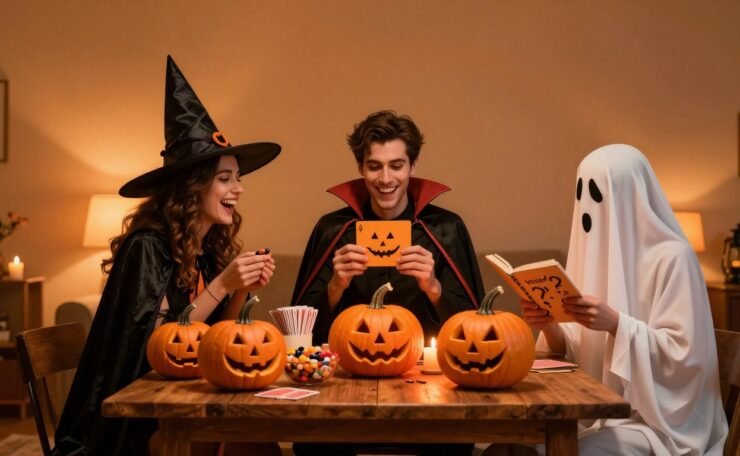
Halloween parties get more entertaining when everyone has a chance to laugh, share a surprising confession, or attempt a ridiculous challenge. Halloween truth or dare questions with friends are easy to start, work for small or large groups, and can create funny, spooky, and memorable moments without needing much preparation.
You can keep the game light with questions about embarrassing moments and silly fears, then add creative dares involving costumes, accents, dancing, spooky sounds, or pumpkin-themed challenges. The best prompts also leave room to adjust the game for children, teens, or adults, as well as different comfort levels, so nobody feels pressured to participate.
In this guide, you’ll find ready-to-use truth questions, Halloween dares, and simple ways to keep every friend involved while respecting boundaries. Start with the questions below and let the group set the mood.
Key Takeaways
- Mix funny, spooky, embarrassing, and personal questions so every friend can join comfortably.
- Use Halloween dares involving costumes, accents, dancing, spooky sounds, and simple props.
- Adjust prompts for children, teens, or adults, and skip anything that feels unsafe or too personal.
- Set clear boundaries before playing, especially when questions involve phones, relationships, or private experiences.
- Find more age-friendly inspiration in these Halloween truth or dare questions.
Halloween Truth or Dare Questions With Friends for Every Mood
The best Halloween truth or dare questions with friends let everyone choose their comfort level. Start with silly prompts, then move toward spooky or personal questions as the group warms up. Anyone can pass without explaining why, and every dare should stay safe, voluntary, and easy to stop.
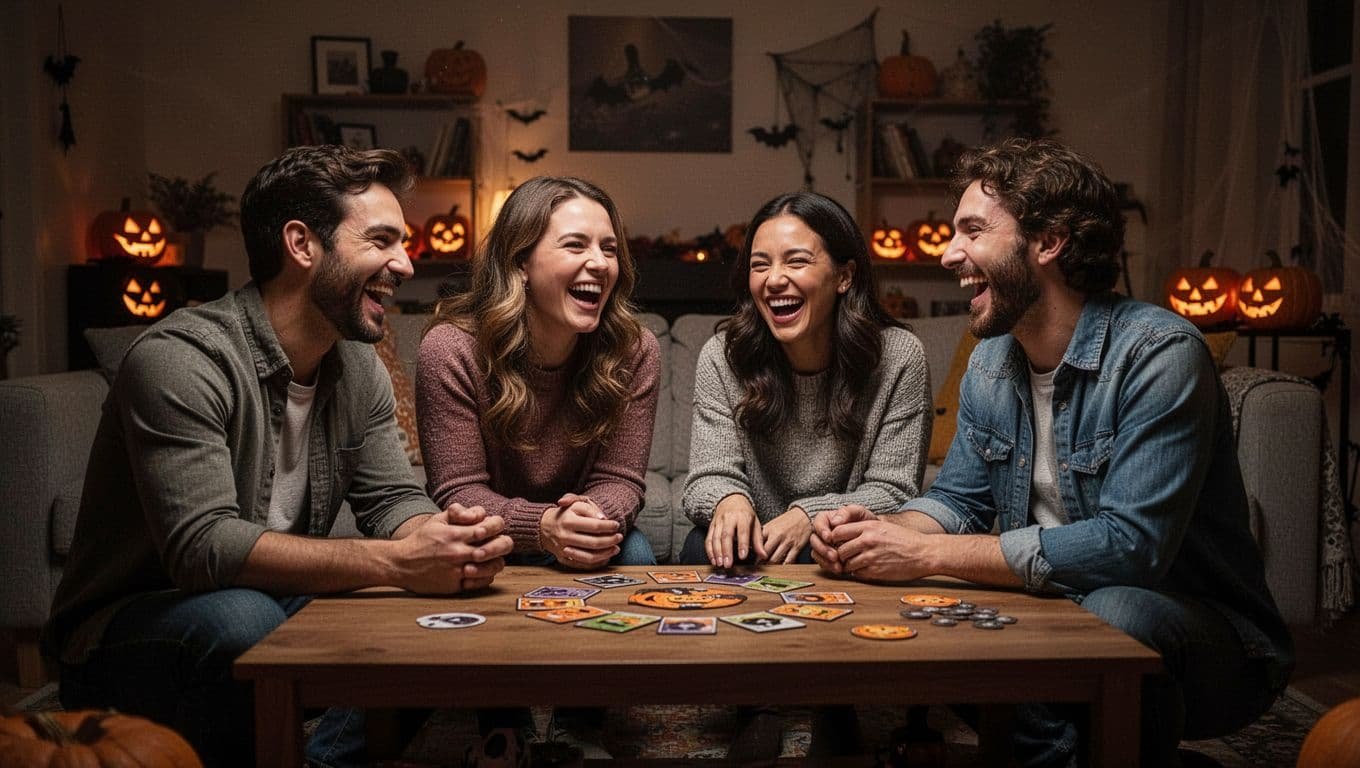
Funny Truth Questions That Get Everyone Laughing
Use these questions when you want quick laughs without putting anyone on the spot:
- What embarrassing thing have you done while trying to look cool?
- What strange habit do you have when nobody else is around?
- What bad purchase do you regret the most?
- Has anyone given you a nickname that secretly stuck?
- What useless talent would you show off in a talent show?
- What is the strangest dream you can remember?
- What funny fear makes little sense, even to you?
- What was your first impression of the person sitting beside you?
- What is the weirdest item in your bag or pocket right now?
- What food combination do you enjoy that others find unusual?
Spooky Truth Questions for a Chilling Halloween Mood
Turn down the lights and use these Halloween-themed questions for a creepier mood. Keep ghost stories playful, since unusual experiences can have ordinary explanations.
- What ghost story scared you most as a child?
- Which scary movie made you check the room afterward?
- What is your biggest fear during a nighttime walk?
- Have you ever had a strange experience you still can’t explain?
- What was your worst Halloween costume?
- Would you spend one night in a supposedly haunted house?
- How long would you survive in a horror movie?
- Which fictional monster would you be?
- Would you rather meet a vampire, ghost, or werewolf?
- What sound would terrify you if you heard it outside tonight?
For more family-friendly inspiration, browse these Halloween truth or dare questions.
Personal Truth Questions That Still Feel Comfortable
These prompts help friends learn more about one another without turning the game into an interrogation. Players can pass on any question, especially when it involves private feelings, relationships, or past experiences.
- What goal do you hope to reach within the next year?
- What moment are you most proud of?
- Which friendship memory still makes you smile?
- What small worry has been on your mind lately?
- Have you ever had a crush you kept secret?
- What lesson did a difficult experience teach you?
- What quality do you value most in a friend?
- When do you feel most confident?
- What is one habit you would like to improve?
Respectful listening matters here. These communication skills for better relationships can help everyone keep personal answers supportive.
Halloween Dares for Costumes, Acting, and Group Fun
Choose dares that create funny memories without dangerous stunts, unwanted contact, property damage, public harassment, or humiliating posts.
- Speak in a spooky accent until your next turn.
- Act like a movie monster while the group guesses which one.
- Create a 30-second ghost story using three objects nearby.
- Perform a skeleton dance with stiff arms and tiny steps.
- Pose for one silly costume photo, then keep it private.
- Make a foil hat and wear it for the next two rounds.
- Give a dramatic reading of a snack label or party invitation.
- Walk across the room like a zombie.
- Make up a monster dance for the group to copy.
- Perform every role in a short, dramatic horror scene.
How to Set Up a Fun Truth or Dare Game Before the Party
A good Halloween truth or dare game takes only a few minutes to prepare. Choose a comfortable seating area, gather prompts that match your guests, and explain the rules before the first turn. A little planning keeps the game lively without making anyone feel pressured.
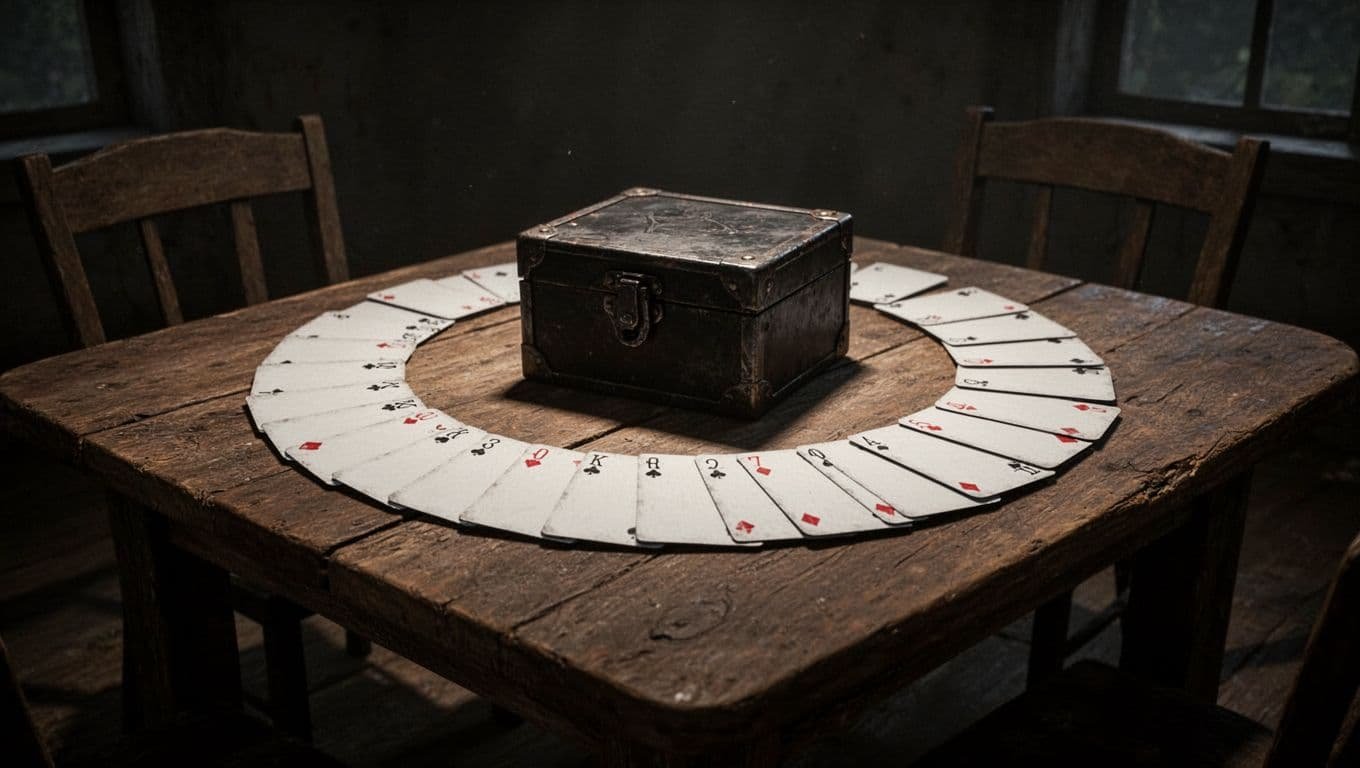
Choose Prompts That Match Your Group
Start by choosing a host to read the prompts, watch the time, and replace anything that doesn’t suit the group. For a small gathering, prepare about 30 to 50 prompts. Larger parties need more choices, especially if guests may join or leave during the game.
You can write truths and dares on separate slips of paper, print them on cards, or use a phone app. A bowl of folded paper feels festive and personal, while printed cards make the categories easy to organize. An app can select turns quickly, but keep the phone away when privacy matters.
Adjust the questions to fit the guests:
- Close friends may enjoy embarrassing stories, harmless secrets, and spooky experiences.
- New friends usually respond better to funny questions about costumes, food, movies, and unusual habits.
- Teens need age-appropriate prompts that avoid sexual topics, risky behavior, and pressure to contact someone online.
- Adults can choose more personal questions, provided everyone agrees on the tone.
- Family gatherings work best with silly questions and simple dares that children and grandparents can enjoy.
- Mixed-age parties should use prompts that a younger guest could answer comfortably.
Begin with funny questions before introducing personal or scarier topics. The best prompts create laughter and conversation, rather than making one person the target of a joke. If the group includes people who don’t know each other, gentle icebreakers can help everyone settle in. These icebreaker game ideas offer useful inspiration for getting conversations started.
Use Simple Rules That Keep the Game Moving
Have everyone sit in a circle so players can see one another and pass the turn smoothly. Decide whether the current player chooses the next person, or whether you will move clockwise around the group. Keep each answer or dare to about 30 to 60 seconds so no turn stalls the game.
Before starting, agree on a pass rule. Players might receive one pass per round, or unlimited passes if the group includes children, new friends, or sensitive topics. Anyone can choose truth instead of dare, and the group should replace a prompt that feels uncomfortable, unsafe, or too private.
Also set these boundaries:
- Nobody repeats the same dare during the game.
- No one records photos, videos, or answers without permission.
- Dares must avoid injury, property damage, unwanted touching, and public embarrassment.
- Players can stop a dare at any point without explaining their choice.
Clear consent matters most when prompts involve personal information. These healthy boundaries in relationships can also guide respectful rules for a party game. Finish the setup with dim lighting, Halloween decorations, low-volume music, snacks, and a spooky container for the cards. Keep enough light for everyone to move safely, then let the atmosphere carry the rest.
Safe Halloween Dares That Are Funny Without Going Too Far
A good Halloween dare should feel playful, creative, and easy to stop. It can challenge someone to act silly, but it should never involve risky behavior, cruelty, sexual pressure, illegal activity, or public humiliation. Before the game starts, remind everyone that passing is always allowed.
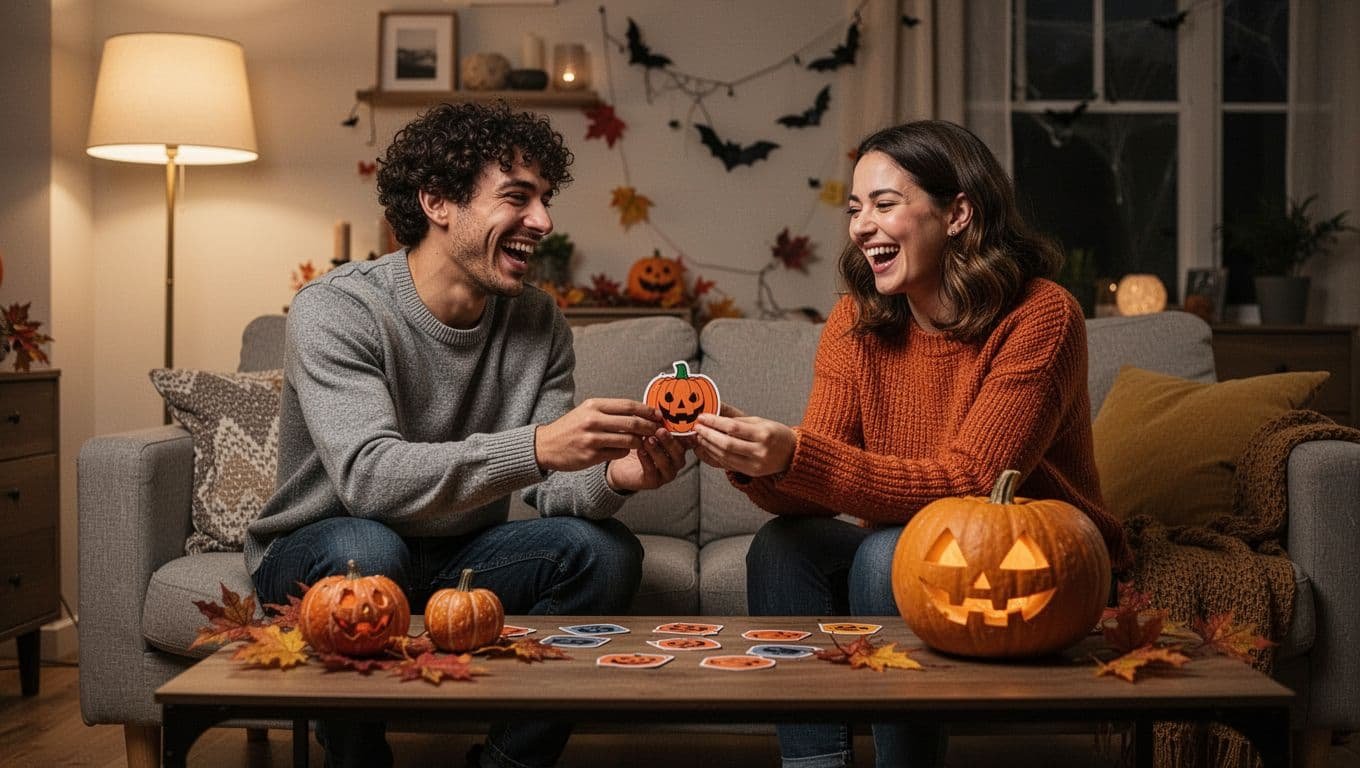
Keep the room comfortable and practical. Clear the floor, move fragile decorations aside, avoid candles and open flames, and check allergies before using makeup, snacks, or craft materials. Phones, photos, and personal information should stay private unless the person involved gives clear permission.
Low-Pressure Dares for Shy Friends
Quieter players often enjoy the game more when their first dare feels manageable. These options create laughs without forcing anyone to perform in the center of the room:
- Make your best monster sound while remaining seated.
- Draw a pumpkin with your eyes closed, then let the group admire it.
- Invent a dramatic slogan for a haunted house.
- Wear a funny hat, cape, mask, or other accessory for one round.
- Tell a one-minute ghost story using two objects nearby.
- Perform a seated dance to a spooky song.
- Give a serious weather report about a fictional storm of bats.
- Create a new name and backstory for your Halloween costume.
These dares give shy friends a clear task and a short time limit. They can participate without being touched, filmed, sent outside, or placed under intense attention. A player who prefers to keep things calm can also choose a healthy communication approach by saying, “I would rather try a seated dare.”
Dares for a Bigger Challenge and More Laughs
When the group feels ready, add movement and teamwork while keeping every activity suitable for the available space. A few safe ideas include:
- Act out a famous horror movie scene without naming the film.
- Perform a dramatic runway walk in your costume.
- Create a group monster pose and hold it for five seconds.
- Find three orange objects in the room without running.
- Build a costume accessory from paper, tape, or craft supplies.
- Lead a spooky sing-along using a familiar tune.
- Mime a werewolf getting ready for a job interview.
- Direct the group through a 20-second zombie dance.
For more family-friendly activity inspiration, browse these Halloween party game ideas. Every dare must fit the space and the players. Skip strangers, dangerous objects, open flames, blindfolds, climbing, forced contact, and anything that could expose private messages or embarrassing personal details. The funniest dare leaves everyone laughing with the player, not at them.
Make Halloween Truth or Dare More Creative With Themes and Variations
Reading one long list in order can make even funny Halloween truth or dare questions feel predictable. Keep the game fresh by changing the theme, card category, or scoring style every few rounds. This gives players more control over the mood and helps quieter guests find prompts they enjoy.
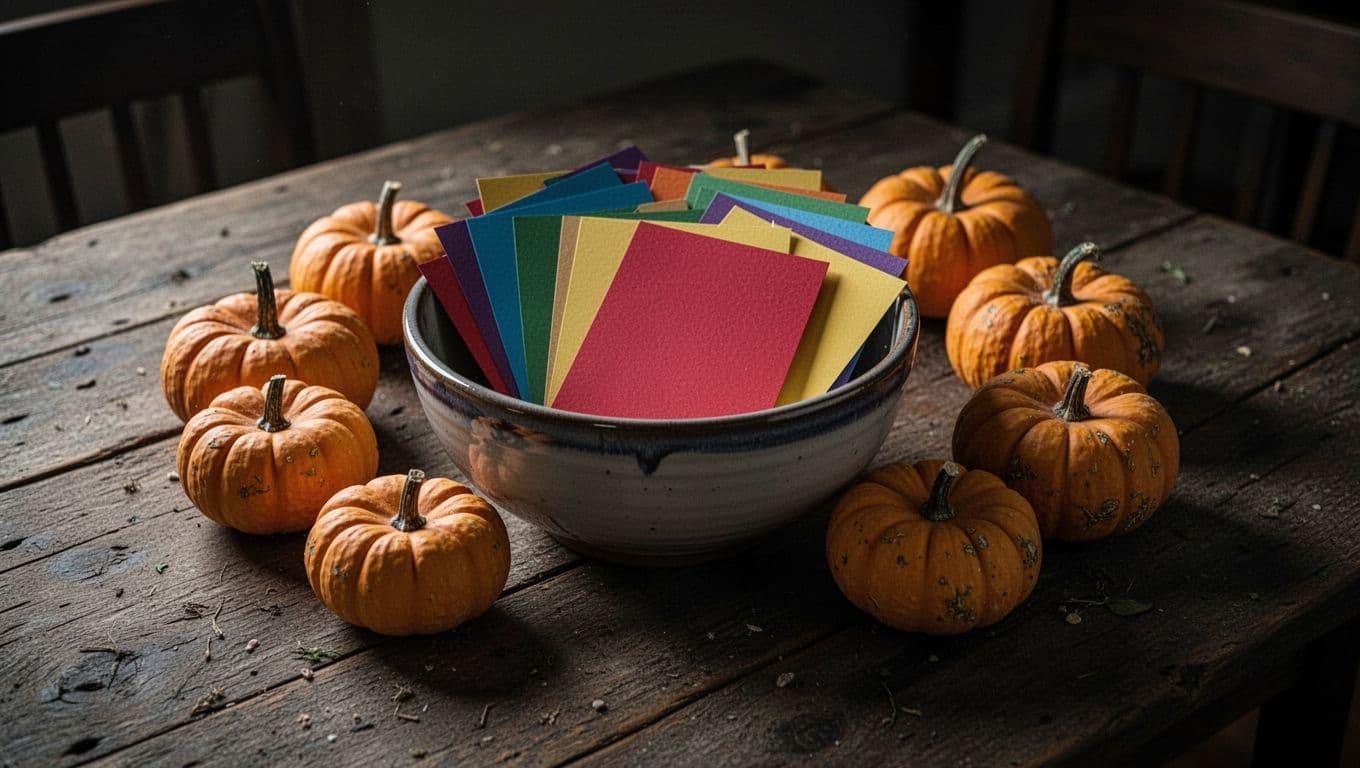
Try a Spooky Card Bowl With Different Challenge Levels
Prepare a truth-or-dare card bowl with cards labeled funny, spooky, personal, costume, and dare. Use different colors for each category, so players can choose the type of prompt they want before drawing. For example, a blue card might offer a mystery question, while an orange card focuses on costumes or candy.
You can also mark each card as easy, medium, or bold. Easy prompts might ask someone to name a favorite Halloween movie. Medium cards could require a monster impression or a short ghost story. Bold cards can invite a more personal answer or a larger performance, but bold should always mean playful, never unsafe, sexual, humiliating, or inappropriate for the group.
A host can keep the bowl flexible throughout the night:
- Remove cards that feel too personal, scary, difficult, or unsuitable for younger guests.
- Add fresh prompts when the group repeats a category or loses interest.
- Let players draw a color first, then decide whether they want easy, medium, or bold.
- Keep a small stack of replacement cards ready for anyone who chooses to pass.
The bowl can also support themed rounds. Try a haunted-house round with eerie questions, a horror-movie round with character impressions, or a costume round with runway walks and character backstories. Childhood Halloween memories, friendship questions, and mystery prompts offer gentler changes of pace.
Other variations work well, too. Divide guests into teams and award points for creative answers, then place mystery prompts inside envelopes for surprise rounds. A spinning bottle can choose the next player, but it should never pressure someone into a question or dare. For a simpler option, keep the bottle aside and let players draw directly from the truth-or-dare card bowl.
Turn the Game Into a Halloween Memory Everyone Can Enjoy
Give the game a warm ending with a group activity instead of one final embarrassing confession. Ask everyone to share a favorite Halloween memory, vote on the funniest answer, or choose the best costume performance. You could also create one harmless group photo, provided every person agrees and knows where it will go.
For a mystery-themed finish, let each team invent a silly monster name and pose. Then vote for the most creative result. These activities keep attention on shared laughter and imagination.
The best winner is often the person with the most creative answer, not the most embarrassing confession.
Celebrate storytelling, quick thinking, costume ideas, and supportive teamwork. When players feel respected, they are more likely to join the next round, share a genuine laugh, and remember the party for the right reasons. That same focus on respectful friendship can support building confidence in friendships.
Frequently Asked Questions
A few simple choices can keep Halloween truth or dare fun, inclusive, and easy to manage. Use these answers to adjust the game for your guests, age group, and party atmosphere.
What are good Halloween truth or dare questions for a group of friends?
The best questions mix funny, spooky, and mildly personal topics. This variety keeps the game from feeling repetitive while giving each person a comfortable way to participate.
Ask about the strangest costume someone has worn, their biggest fear, or the funniest nickname they have received. You could also ask who would survive longest in a horror movie, which monster they would be, or what embarrassing thing happened at a past Halloween party.
How many questions and dares should I prepare?
Prepare about 30 to 50 prompts for a small group of friends. That gives everyone several turns without making the game feel overplanned.
For a longer party or larger gathering, prepare 60 or more prompts. Extra cards prevent repeats, keep new guests involved, and let the host remove questions that feel too personal, too difficult, or unsuitable for the group.
How can I make truth or dare comfortable for everyone?
Participation should always be voluntary. Before playing, agree that anyone can pass, nobody will mock an answer, and every player can ask for a replacement prompt without explaining why.
Set boundaries around personal stories, relationships, phones, photos, physical contact, and movement. If the mood changes or someone looks uncomfortable, pause the game and replace the prompt. A respectful group keeps the focus on shared laughter rather than putting one person under pressure.
What are safe Halloween dares for teens?
Choose supervised dares based on acting, dancing, drawing, storytelling, costumes, and harmless scavenger hunts. Teens might perform a monster impression, create a spooky character, draw a pumpkin with their eyes closed, or find three orange objects indoors without running.
Avoid alcohol, dangerous stunts, strangers, public humiliation, private messages, and posts or photos without permission. Keep candles, sharp objects, climbing, blindfolds, and unwanted physical contact out of the game.
Can adults play Halloween truth or dare with friends?
Yes, adults can enjoy the game with more personal questions when everyone feels comfortable and agrees on clear boundaries. Suitable prompts might ask about an unusual travel story, a memorable first date, or a goal someone wants to pursue.
Sexual, illegal, or highly private dares should never be treated as required parts of adult play. A mature game still respects consent, privacy, and each person’s right to change their mind.
What should someone do if they do not want to answer or complete a dare?
Passing is always acceptable. The player can draw a new card, answer a lighter question, complete a simple group challenge, or take a short break.
No game is worth making someone feel pressured. Once the group treats passing as normal, players are more likely to join willingly and keep the party enjoyable.
Conclusion
The best Halloween truth or dare game with friends feels playful, inclusive, and easy to join. A balanced mix of funny questions, spooky prompts, and creative dares keeps the mood lively without making anyone feel pressured. Let players pass, replace uncomfortable cards, and adjust the tone for the ages, personalities, and comfort levels in the room.
Whether your group prefers silly costume challenges or mild personal questions, shared laughter matters more than a perfect score or the boldest answer. Keep the prompts flexible, respect each person’s boundaries, and give quieter friends simple ways to participate.
Put the questions and dares in a bowl, turn on the Halloween music, and let the game begin. With a little care, your friends can create memories everyone will be happy to remember.
Save the pin for later

- 8 Signs Your Ex Is Testing You And What It Really Means - September 18, 2026
- 12 Qualities Every Good Man Should Have - September 18, 2026
- How to Write a Dating Profile for a Woman Over 45: 9 Simple Steps - September 18, 2026