 Orji Chigozie Henry
Packing a school lunch your child will actually eat can feel like a daily guessing game, especially when yesterday’s favorite suddenly comes home untouched. The best school lunch ideas for kids are healthy, affordable, and simple enough to prepare on a busy morning.
A good lunch doesn’t need to be perfect or fancy. Start with one filling main food, such as a sandwich, wrap, pasta, bento box, or leftovers, then add fruit, vegetables, and one small extra like crackers or a homemade treat. Small, repeatable choices can also support building healthy eating habits without creating more stress.
The ideas ahead include options for preschoolers and older kids, plus practical tips for picky eaters, food safety, allergies, advance preparation, and involving children in lunch planning. Let’s start with easy mains that can keep kids satisfied through the school day.
Key Takeaways
- Build each lunch around a filling main, such as a whole-grain sandwich, wrap, pasta salad, or leftovers.
- Add at least one fruit and one vegetable, then include water or unsweetened milk.
- Choose protein-rich foods like eggs, hummus, beans, yogurt, cheese, chicken, or 100% peanut butter.
- Make healthy eating easier with colorful foods, familiar favorites, and small portions your child can finish.
- For more balanced lunch ideas, plan ahead and involve your child in choosing ingredients.
School Lunch Ideas for Kids That Are Healthy and Easy to Pack
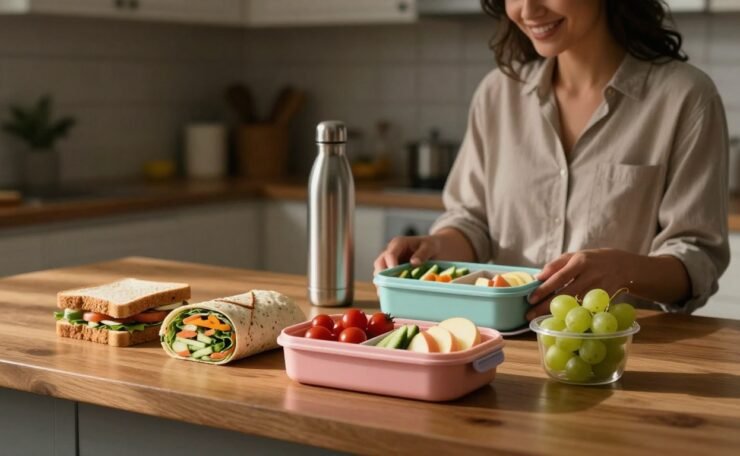
Build lunch with four simple parts: one main item, one fruit, one vegetable, and one crunchy or fun extra. This balance adds protein, fiber, energy, and variety without requiring you to measure every nutrient. A younger child might need half a turkey wrap, berries, cucumber slices, and a few whole-grain crackers. An older child may prefer a full chicken pita, an apple, snap peas, and yogurt.
Match portions to your child’s age, appetite, and school schedule. A small lunch that gets eaten is more useful than an oversized box that comes home untouched.
Simple Sandwiches and Wraps Kids Can Eat Without a Mess
Whole-grain bread or tortillas make a sturdy base for easy combinations. Try turkey and cheese, egg salad, hummus with sliced vegetables, tuna salad, chicken with avocado, or cream cheese with cucumber. Where the school allows peanuts, peanut butter with banana is another familiar option.
Spread fillings thinly, then cut sandwiches into small squares or make toothpick-free roll-ups for younger children. Pita pockets and bagels work well for kids who dislike standard sandwiches. You can also pack deconstructed ingredients, such as bread, cheese, turkey, and cucumber separately, so your child assembles each bite.
Prevent soggy bread with a few small adjustments. Dry washed vegetables before adding them, use a modest amount of wet filling, and pack dressing or dipping sauce in a separate container. Place lettuce between moist ingredients and bread when possible. For more practical healthy lunch ideas for children, choose fillings your child already accepts, then introduce one new ingredient at a time.
Bento Box Combinations That Make Lunch More Fun
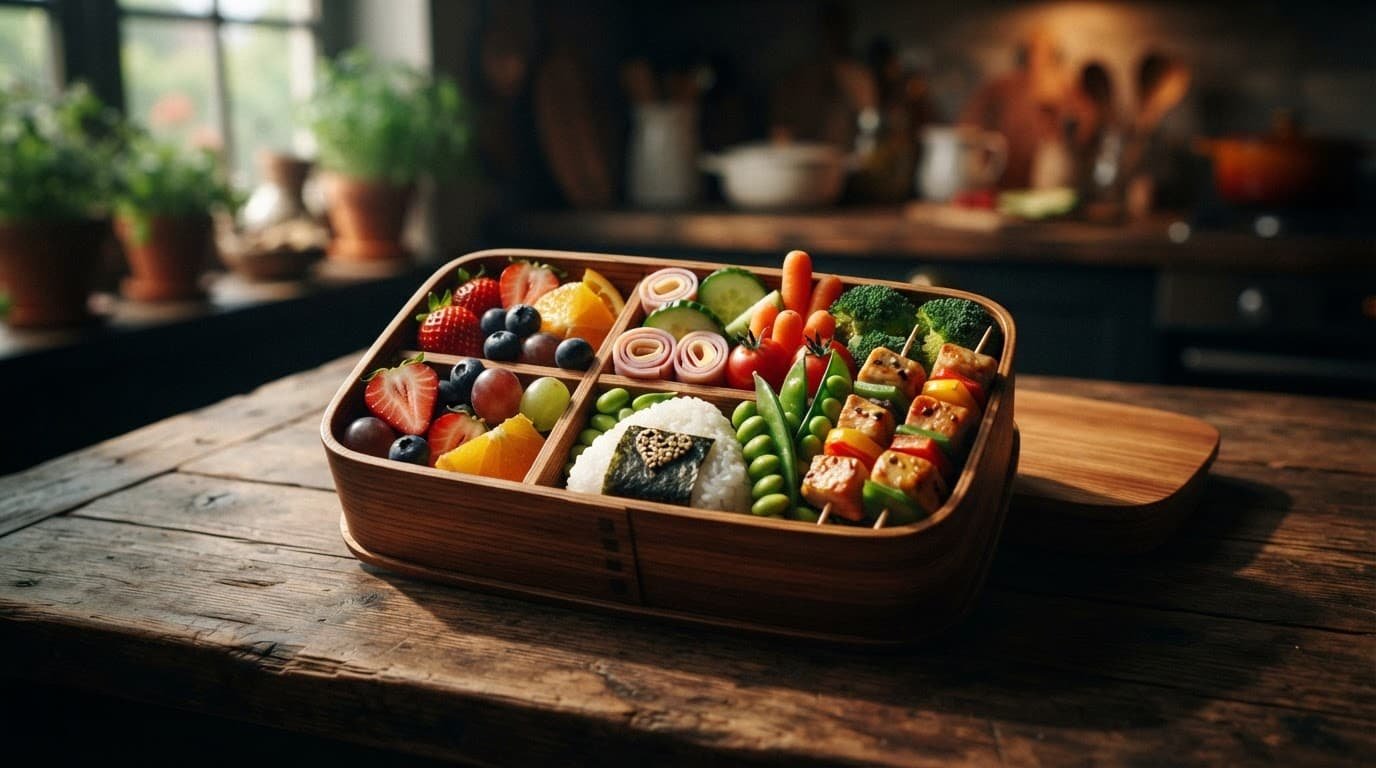
Separate compartments add variety without requiring elaborate decorations. Try these complete combinations:
- Egg wedges, pita triangles, cheese cubes, cucumber slices, and apple pieces.
- A chicken wrap with grapes, carrot sticks, and a small oat bar.
- Whole-grain pasta salad with mozzarella, tomatoes, and berries.
- Sushi-style rice rolls with edamame and sliced fruit.
Use colorful produce and small portions to reduce food waste. Simple shapes, such as cucumber rounds or halved grapes, can make familiar foods more inviting. Before packing, check school rules about nuts, skewers, and foods that need heating. A dietitian-approved bento guide offers more mix-and-match inspiration.
Quick School Lunch Ideas for Busy Mornings
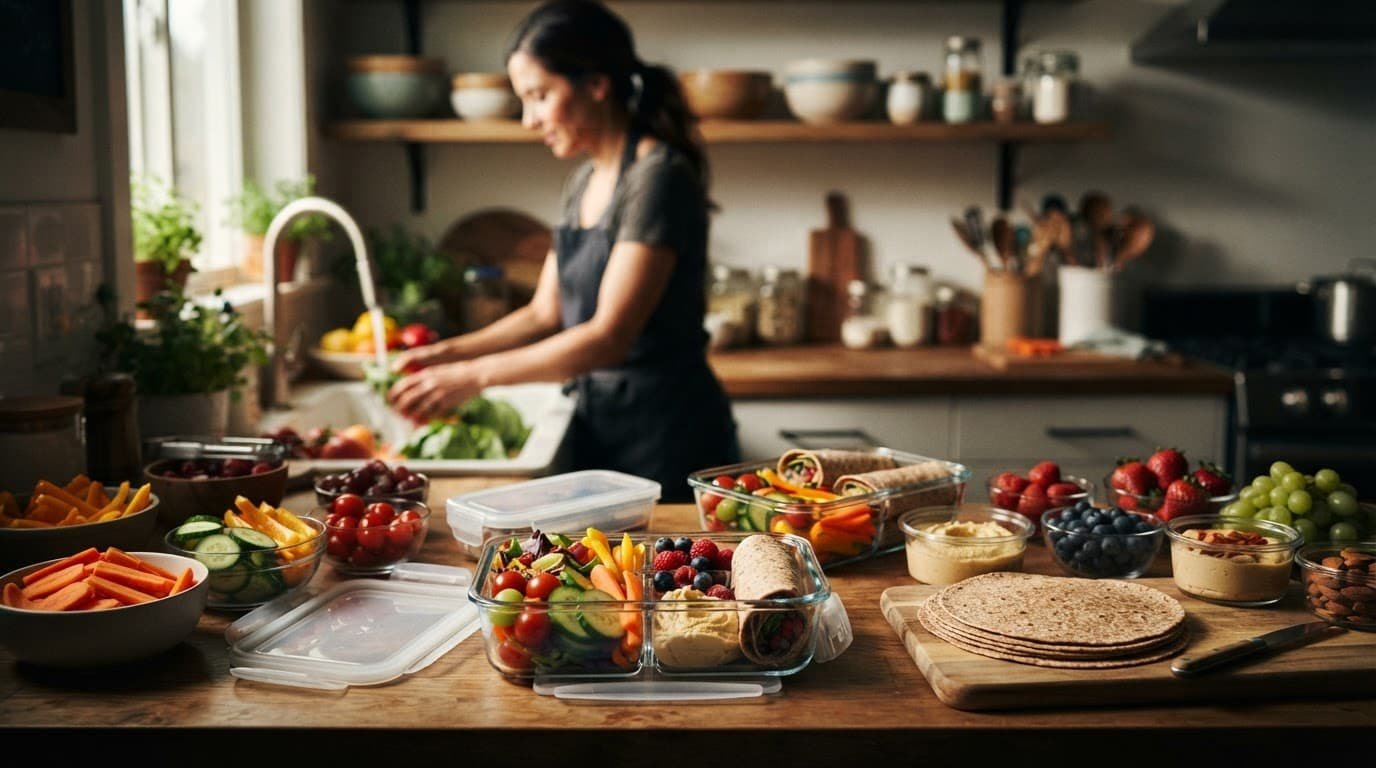
A little preparation after dinner can turn a rushed morning into a quick assembly job. Prepare only two or three lunch components at once, since full lunches can lose texture and freshness after several days. These meal planning strategies also make it easier to offer balanced choices without starting from scratch.
Make-Ahead Lunches That Stay Tasty the Next Day
Cook pasta, boil eggs, wash fruit, slice vegetables, cube cheese, and prepare chicken during the weekend or after dinner. Store each item in a sealed container in the refrigerator, then assemble lunches in less than 10 minutes.
Mini egg muffins with zucchini and peppers keep well for a next-day lunch. Pasta salad, wrap fillings, homemade energy bites, and hard-boiled eggs are also useful make-ahead choices. Overnight oats work when your child’s school can keep them cold and your child enjoys a softer breakfast-style lunch.
Prepare components separately instead of building several complete lunches. Moist fillings can make wraps soggy, while crackers and other crunchy foods lose their bite. Keep those foods in separate containers or compartments. Cut apples and pears may brown, so toss them with a small amount of lemon juice when needed. Frozen grapes or a frozen yogurt tube can help keep the lunch cool while thawing.
Warm and Cold Leftover Lunches Kids Enjoy
Give dinner leftovers a fresh format so lunch feels different. Put meatballs in a pita, serve cold chicken with a small dipping sauce, or pack rice with edamame. A whole-wheat pita can become a mini pizza, while bean-and-cheese quesadillas cut into triangles are easy to eat. Pasta with vegetables, rice and beans, roasted vegetables, and leftover pasta salad also work well cold.
For soup, chili, oatmeal, or hot leftovers, preheat an insulated food jar with hot water before filling it. Schools without microwaves can rely on cold options such as chicken wraps, quesadillas, or pasta salad. The CDC also highlights the importance of giving children enough time to eat at school, so choose foods they can manage without complicated packaging.
Before packing a new lunch container, have your child practice opening it, closing it, and using any dipping cups at home. A lunch your child can open independently is far more likely to get eaten.
Kid-Friendly Lunch Ideas for Picky Eaters
Picky eaters often accept foods by shape, texture, temperature, or familiarity before flavor. Build lunch around one food your child already enjoys, then add a small portion of something less familiar. This keeps the meal balanced without turning lunchtime into a negotiation.
How to Add More Protein, Fiber, and Produce
Protein can come from familiar foods, including eggs, yogurt, cheese, chicken, turkey, tuna, beans, hummus, tofu, and edamame. Add one option your child usually accepts, such as cheese cubes with crackers or yogurt with berries. Individual nutrition needs vary, so focus on steady variety rather than trying to make every lunch perfect. For more school lunch tips for picky eaters, keep portions realistic and easy to manage.
Fiber comes from whole-grain bread, oats, brown rice, fruit, vegetables, and beans. You can add it without changing the entire meal. Try shredded carrots in a turkey wrap, berries beside yogurt, cucumber rounds with crackers, or roasted sweet potato cubes next to chicken. Fruit may be more appealing when served with a familiar dip, such as yogurt, hummus, or sunflower seed butter, when allowed by the school.
When mixed textures cause resistance, serve foods separately. Pack plain pasta instead of pasta salad, fruit instead of mixed fruit salad, cheese cubes instead of a cheese sandwich, or deconstructed taco ingredients instead of a filled wrap. Small portions make new foods feel less overwhelming, and repeated exposure can help over time. Your child doesn’t need to eat the unfamiliar food right away. Avoid pressure, praise tasting without demanding it, and keep offering it alongside a preferred choice.
Give your child two healthy options to choose from: “Would you like cucumber rounds or roasted sweet potato?” This provides control while keeping both choices nutritious. Consistent, low-pressure routines can also support building healthy daily routines around meals.
Pack Safer, More Balanced Lunches Every Day
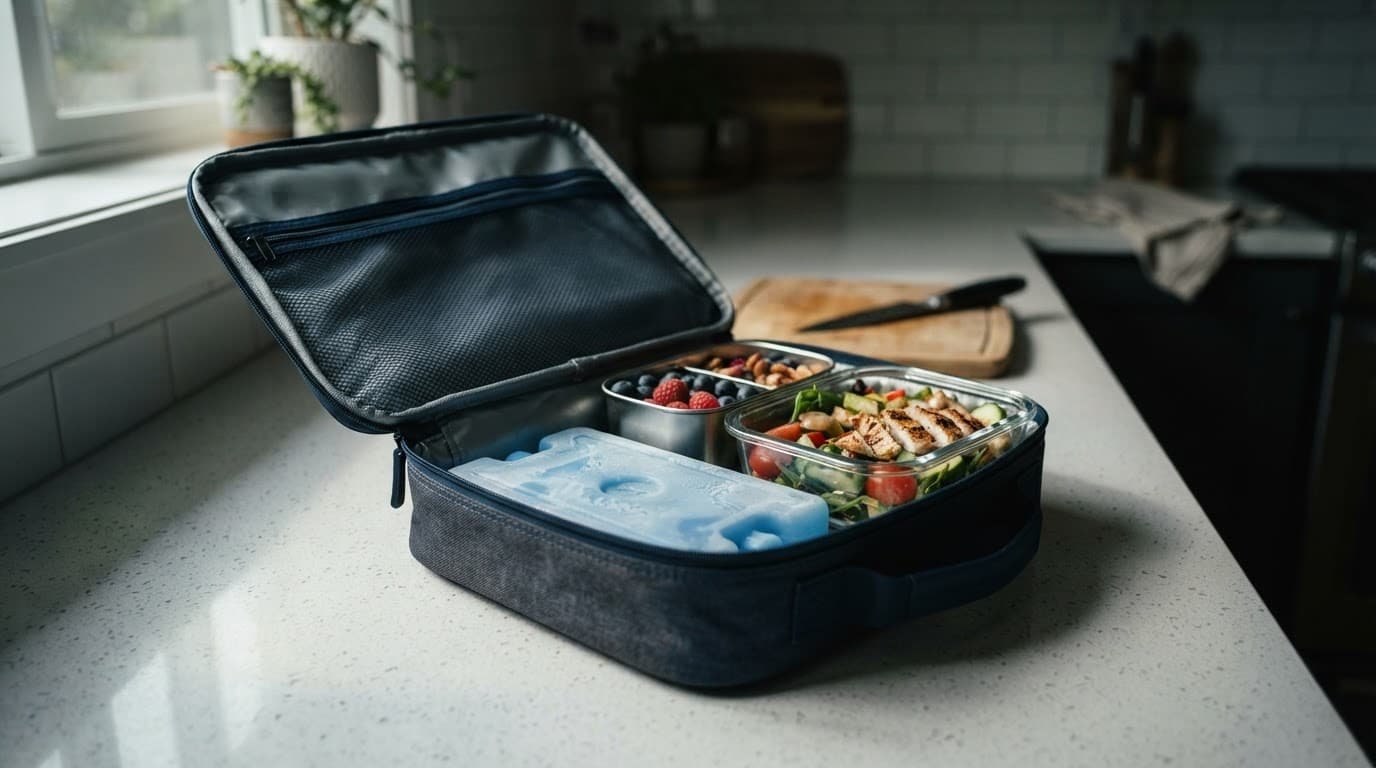
A reliable lunch routine combines balanced food with packaging your child can manage. Use an insulated lunch bag, pack cold foods with at least one cold pack, and keep the portions realistic for your child’s appetite and lunch period.
Avoid Common Lunchbox Problems Before They Happen
Small packing changes can prevent many common complaints:
- Soggy bread improves when you dry washed vegetables, use less wet filling, and place lettuce between moist ingredients and the bread.
- Cut apples and pears may brown, so choose easy-peel fruit such as clementines and bananas, or add a little lemon juice to sliced fruit.
- Leaking dips and yogurt belong in leakproof containers with secure lids. Silicone cups can separate wet foods from crackers, sandwiches, and fruit.
- Test containers with your child before school starts. Ask them to open, close, and carry each container. Replace anything too tight, messy, or confusing.
- Pack an insulated lunch bag with a cold pack for perishable foods. For soup, chili, or other hot meals, preheat a thermos with hot water, empty it, then add the piping-hot food. The USDA’s bag-lunch safety guidance recommends keeping cold foods chilled and hot foods hot until lunchtime.
- Wash your hands before preparing lunch, and keep raw ingredients separate from ready-to-eat foods. Follow your school’s or local health department’s storage guidance, especially for foods containing meat, eggs, dairy, or mayonnaise.
- Check allergy policies and label food clearly when the school requests it.
A lunchbox also works better with fewer, familiar choices. One filling main, produce, a protein or dairy item, water, and a small treat is often enough. Water is usually the best everyday drink, while a treat can fit comfortably into an overall healthy eating pattern.
If lunch comes home untouched, skip criticism. After school, ask one neutral question, such as, “What was easy to eat today?” Use the answer to adjust textures, portions, or packaging. A predictable daily routine can make these small lunch habits easier to maintain.
A Five-Day School Lunch Plan Kids Can Help Build
A weekly lunch plan gives your child choices without requiring a new recipe every morning. Keep the main foods familiar, then vary the fruit, vegetables, and presentation. You can also find more kid-friendly packed lunch ideas for simple combinations that travel well.
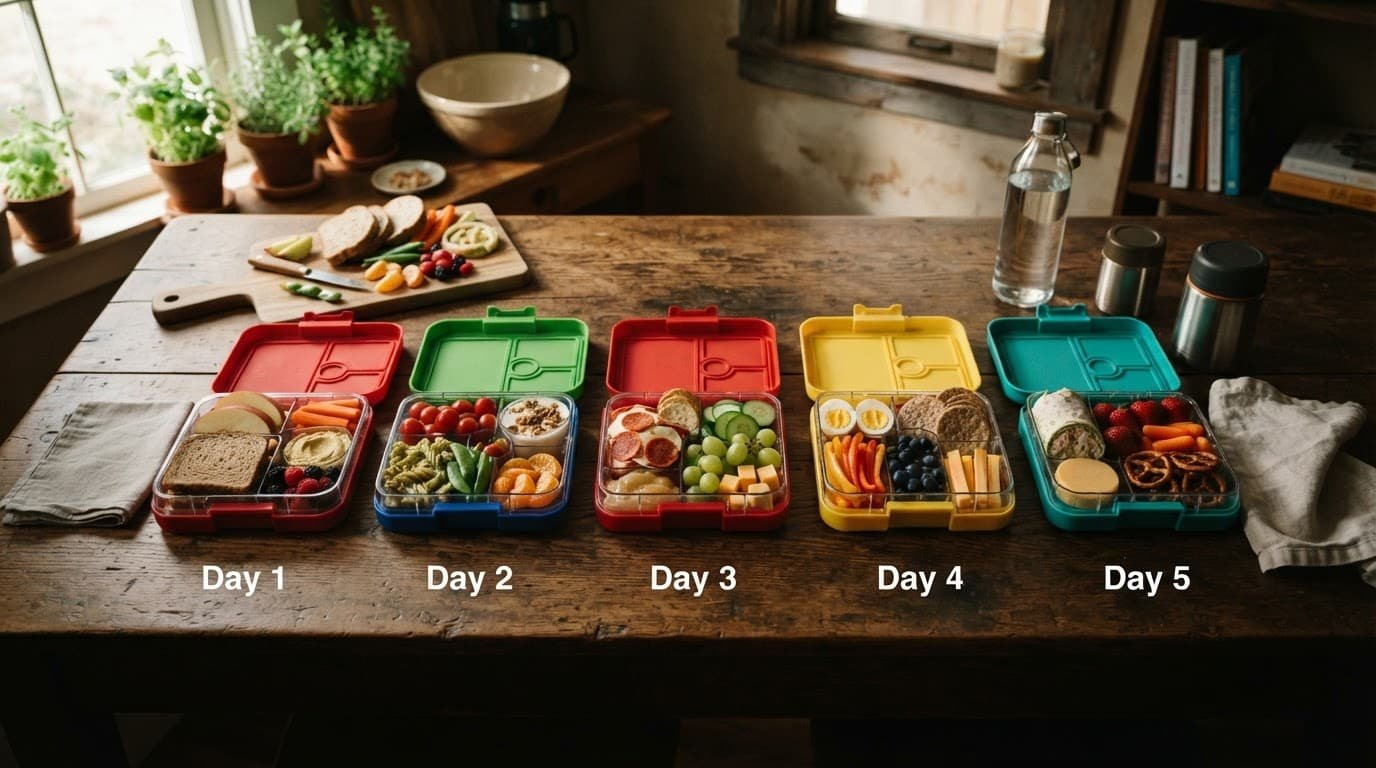
A Simple Monday-to-Friday Lunch Plan
Use this sample week as a starting point, then adjust portions and ingredients to match your child’s appetite.
- Monday: Pack turkey and cheese roll-ups with cucumber slices, berries, and whole-grain crackers.
- Tuesday: Offer an egg pita with apple pieces, carrot sticks, and yogurt.
- Wednesday: Serve pasta salad with mozzarella, tomatoes, and grapes. Keep the dressing separate if your child dislikes mixed textures.
- Thursday: Fill a hummus and vegetable wrap with sliced peppers or cucumber, then add grapes and yogurt.
- Friday: Pack mini bean-and-cheese quesadillas with orange slices and snap peas.
The same ingredients can appear in different forms, which saves time and reduces waste. For example, leftover cucumber can fill a wrap one day and sit beside crackers the next.
Let Your Child Build Part of the Lunch
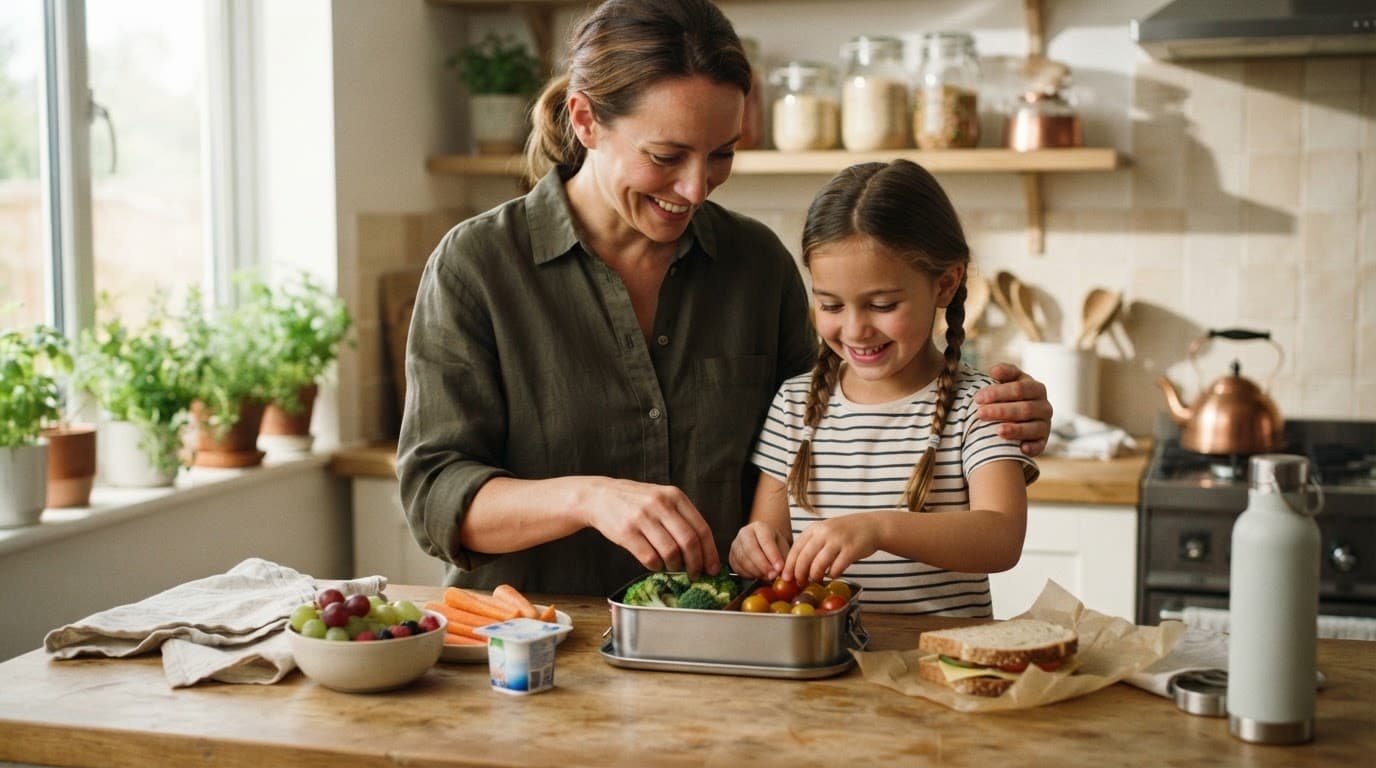
Give your child one small job each evening. They might choose the fruit, wash produce under your supervision, place food into lunchbox compartments, or add a short note or drawing. Younger children can select between two options, such as berries or an apple. Older kids can assemble roll-ups or portion crackers with guidance.
A child who helps pack lunch is more likely to recognize the food and feel comfortable trying it.
For vegetarian lunches, replace turkey with extra hummus, egg, beans, tofu, or cheese. For dairy-free meals, use dairy-free yogurt and skip cheese, or add avocado for a creamy texture. In nut-free households, choose sunflower seed butter only when the school permits it, or use hummus and roasted chickpeas instead. Check your school’s allergy rules before packing any shared-risk food.
Frequently Asked Questions
A few practical adjustments can make healthy school lunches easier for both you and your child. Use these answers to match the lunch to your child’s schedule, appetite, preferences, and school rules.
What should I pack when my child has only a short lunch break?
Choose compact foods that your child can eat quickly and independently. Roll-ups, small sandwiches, peeled fruit, cheese cubes, and bite-size vegetables are easy to handle without much mess. Avoid difficult packaging, bulky containers, or foods that need cutting, heating, or assembly at school.
How much food should I put in my child’s lunchbox?
The right amount depends on your child’s age, appetite, activity level, and school schedule. Start with small, manageable portions, then add more if your child regularly finishes everything and still seems hungry. Avoid pressuring your child to clean the lunchbox, since appetite can change from day to day.
What are good nut-free school lunch options?
Try sunflower seed spread if your school allows it, along with hummus, beans, eggs, cheese, yogurt, chicken, turkey, or edamame. Allergy policies differ between schools, so check the current rules before packing any food. Read packaged food labels carefully for statements about peanuts, tree nuts, and shared equipment.
Can I pack dinner leftovers for school lunch?
Yes, leftovers can make excellent school lunches when your child enjoys their texture after storage. Pack them cold, or use a properly preheated insulated food jar for soup, chili, pasta, or another hot meal. Only pack leftovers that were cooled and stored safely, and follow the USDA’s bag lunch safety guidance.
How can I get my child to try healthier lunch foods?
Invite your child to help shop, choose between two options, or pack one part of the lunch. Pair a new food with a familiar favorite, then offer it again without expecting an immediate taste. Patience works better than bribes, shame, or pressure, and simple meal planning can support preparing meals in advance.
What should my child drink with lunch?
Water is a simple everyday choice for most children. Milk or an unsweetened alternative may fit your child’s routine, dietary needs, and school policy. Limit sugary drinks, and check age-specific nutrition needs with your child’s healthcare professional when necessary.
Conclusion
Successful school lunches come from repeatable foods your child enjoys, not perfect recipes or elaborate designs. Start with a filling main, then add fruit, vegetables, and a small extra such as crackers, yogurt, or a homemade treat. This simple formula keeps lunch balanced while making busy mornings easier.
Choose two or three ideas from this list to try first. Adjust the portions, textures, and packaging based on what your child actually eats, and use their feedback to guide the next lunch. Small routines can support building a healthy lifestyle without adding pressure to your day.
Children learn healthy habits through small, consistent choices. When they help choose and pack familiar foods, lunch becomes easier for everyone.
Save the pin for later

- 8 Signs Your Ex Is Testing You And What It Really Means - September 18, 2026
- 12 Qualities Every Good Man Should Have - September 18, 2026
- How to Write a Dating Profile for a Woman Over 45: 9 Simple Steps - September 18, 2026