 Orji Chigozie Henry
Labor Day weekend gives your family one last chance to enjoy the long, warm days of summer before school routines fully return. However, keeping kids entertained for several days can get expensive and exhausting, especially when everyone has different ages, interests, and energy levels.
The best Labor Day weekend activities for kids don’t need complicated planning or a large budget. A neighborhood scavenger hunt, backyard obstacle course, library visit, nature walk, family game, or simple craft can keep toddlers engaged, give school-age children a challenge, and offer older kids more independence with a few easy adjustments. You can also mix in a local outing and keep a few rainy-day ideas ready in case the weather changes.
The following activities include outdoor adventures, creative projects, family games, affordable outings, and indoor backups to help you plan a relaxed weekend everyone can enjoy.
Key Takeaways
- Choose a mix of free, low-cost, and paid activities so your Labor Day weekend fits your family budget.
- Outdoor ideas like scavenger hunts, nature walks, playground visits, and backyard games keep kids active without much planning.
- Creative crafts, family games, library visits, and simple cooking projects provide easy indoor options when weather changes.
- Adjust each activity for toddlers, school-age kids, and teens so everyone feels included.
- Pack snacks, compare local costs, and schedule downtime to keep the weekend enjoyable instead of exhausting.
How to Plan a Labor Day Weekend Kids Will Enjoy
A relaxed Labor Day weekend starts with a simple plan, not a packed schedule. Choose one main activity each day, then leave room for meals, rest, and spontaneous play. Ask your children to vote on an outing or help prepare a snack so they feel involved.
Before leaving, check the weather, transportation, accessibility, bathroom access, food options, admission costs, and holiday hours. Local event calendars, park websites, library schedules, and attraction pages may list changed Labor Day hours. For driving days, review these Labor Day safety tips before you go.
Match the Activity to Your Child’s Age and Energy
Toddlers and preschoolers usually do best with short outings, familiar routines, and frequent movement. Turn a long nature walk into a 20-minute scavenger hunt, add playground time, or let them collect leaves and look for insects. Bring choices, such as bubbles or sidewalk chalk, so a tired child can switch activities without ending the day.
Elementary-age kids often enjoy a little challenge. They might follow a park map, keep score during a backyard game, or help plan the route for a bike ride. Offer two or three options rather than asking them to accept a full adult-made schedule.
Tweens and teens may want more independence. Let them choose music for the drive, lead part of a scavenger hunt, take photos, or help prepare lunch. Older children can also enjoy the same outing with a separate goal, such as a longer walking route or a team challenge.
Siblings don’t need to experience an activity in exactly the same way. One child can walk the short loop while another takes the longer trail. A younger child might play at the park while an older sibling tries a nearby sport. Flexibility keeps the day enjoyable for everyone.
Pack the Basics for a Smoother Family Day
Keep the family comfortable with water bottles, snacks, sunscreen, hats, bug spray, and supportive shoes. Add a change of clothes and towels for splash pads, beaches, or messy crafts. A small first-aid kit should cover minor scrapes, and bring any medications your family needs.
Pack one quiet activity for waiting periods, such as a small card game, coloring book, or sticker pad. Reusable containers reduce waste and keep snacks easy to reach. Before heading out, use this quick planning check:
- Confirm weather, hours, costs, parking, bathrooms, and accessibility.
- Pack food, water, sun and bug protection, clothes, towels, and medications.
- Choose an indoor backup, such as a library visit, craft project, or family movie.
For more low-pressure seasonal planning, browse these meaningful fall activities for kids and leave open space between plans.
Labor Day Weekend Activities for Kids Outdoors
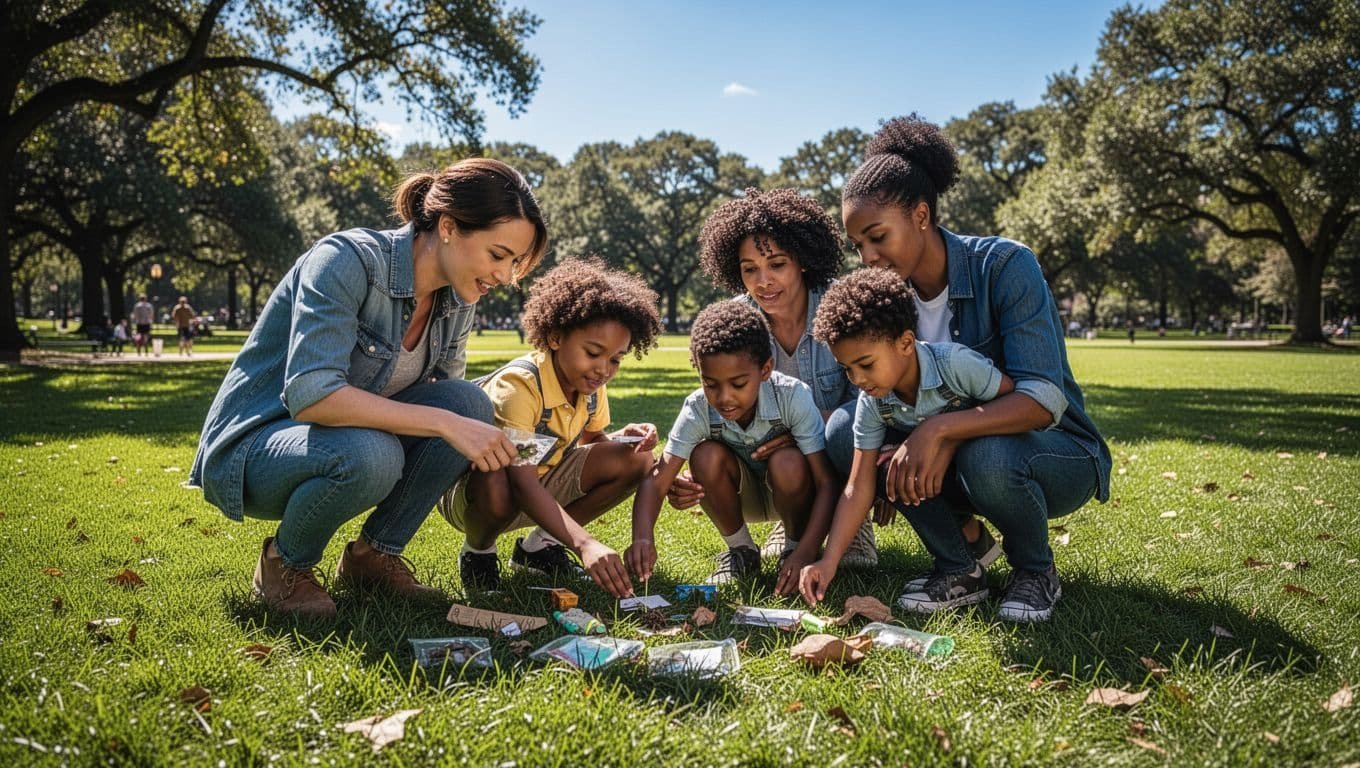
Outdoor plans can fit nearly any budget, location, or energy level. Choose a nearby park, backyard, beach, trail, campground, or quiet neighborhood street, then give children a simple goal to make the outing feel special.
Turn a Park or Nature Walk Into an Adventure
A short walk becomes more engaging when children have something to notice. Create a scavenger hunt, nature bingo card, or color hunt with prompts such as:
- Find three different leaf shapes.
- Spot something rough, smooth, green, and yellow.
- Listen for three separate outdoor sounds.
- Look for a bird, a cloud shaped like an animal, or an insect.
- Take a photo of an interesting pattern without picking anything.
You can also tell a simple story, such as pretending the group is exploring a new planet or delivering an important message along the trail. Younger children can search for five items, while older kids can lead the route or photograph their discoveries. These activities build observation, creativity, patience, and problem-solving skills.
Remind children to look closely without picking plants, feeding animals, or disturbing nests and other wildlife. For more ideas that connect outdoor time with a fresh mindset, explore these family summer outdoor activities.
Make Water Play Safe and Exciting
A sprinkler, splash pad, kiddie pool, lake, or beach can provide hours of low-cost fun. Try sponge races, cup relays, floating-object races, water painting on the driveway, or sand structures near the shoreline. Give each child a shared goal, such as moving water across the yard without spilling it.
Safety comes first. An adult should provide active supervision around every pool, lake, and beach. Children near open water need properly fitted life jackets, and families should check local water conditions before swimming. Pack shade, drinking water, and sunscreen, then reapply sunscreen often according to its label. Keep games close to shore and follow posted rules.
Add Movement With Simple Family Games
Set up relay races, kickball, frisbee, capture the flag, or a sidewalk chalk obstacle course. Families can also plan a short bicycle ride or scooter route with safe stops. Adjust rules for younger children by shortening distances, allowing extra turns, or replacing elimination with teamwork.
A cooperative challenge keeps winning from becoming the only goal. Ask everyone to complete ten relay trips, reach a shared kickball score, or finish the chalk course together. Children practice movement, communication, confidence, and flexible thinking while the family stays active. For more game inspiration, browse these outdoor Labor Day games.
Creative Labor Day Activities to Do at Home
A slower Labor Day can still feel special when children have room to make, taste, build, and pretend. Set out a few household supplies, offer choices, and let imperfect results become part of the fun.
Create End-of-Summer Crafts and Keepsakes
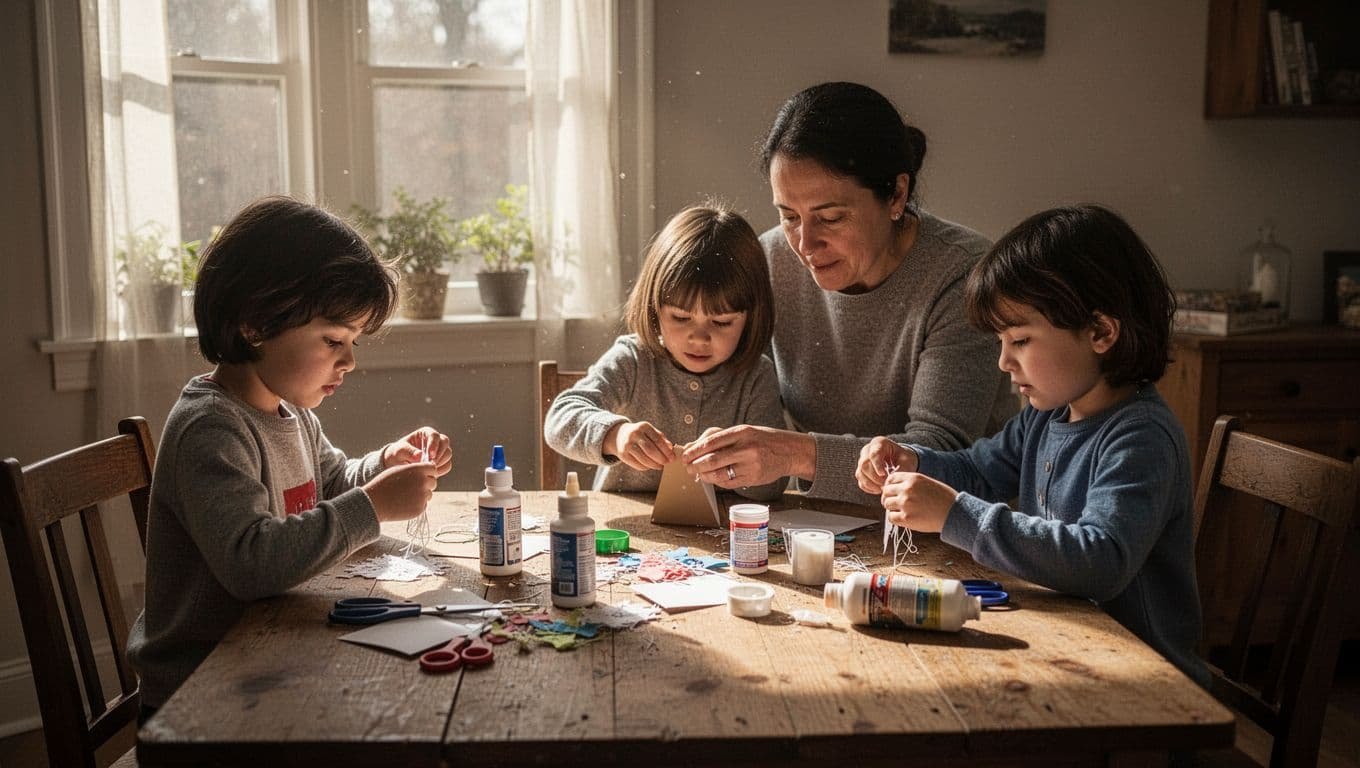
Turn favorite summer moments into keepsakes your family can revisit later. Children can decorate a memory jar with paper scraps, paint rocks with simple pictures, press leaves between sheets of paper, or make paper suns from plates and yellow construction paper. Friendship bracelets, sidewalk chalk murals, and scrapbook pages also work well for different ages.
Give each child a page with this prompt:
- Draw or write one thing you learned.
- Show one challenge you overcame.
- Record one summer memory you want to keep.
Younger children can dictate their answers while an adult writes. Older kids might add ticket stubs, photos, pressed leaves, or short captions.
Cook a Kid-Friendly Labor Day Snack
Choose a recipe that lets children participate without making the kitchen stressful. Fruit skewers, homemade popsicles, decorated sandwiches, trail mix, mini pizzas, and a build-your-own snack board all offer simple jobs. Kids can measure, mix, arrange toppings, and wipe the table according to their age.
Wash hands before cooking, and supervise children around knives, ovens, stovetops, and hot pans. Use plastic knives or pre-cut ingredients for younger helpers. Check every ingredient for allergies, including packaged trail mix, sauces, and shared toppings. Children can also help sort recycling and wash age-appropriate dishes when the snack is finished.
Set Up a Family Challenge or Indoor Campout
Move pillows and blankets into the living room for a campout, then add board games, a puzzle challenge, puppet theater, or a family talent show. Older children can write clues for a homemade escape room, while younger kids search for hidden objects or act out a story.
Keep screens limited, but they don’t need to disappear. A short family movie fits well after active games or before bedtime when everyone needs downtime. The goal is a flexible afternoon where children choose the next activity, not a perfect schedule.
Find Meaningful Local Outings and Community Events
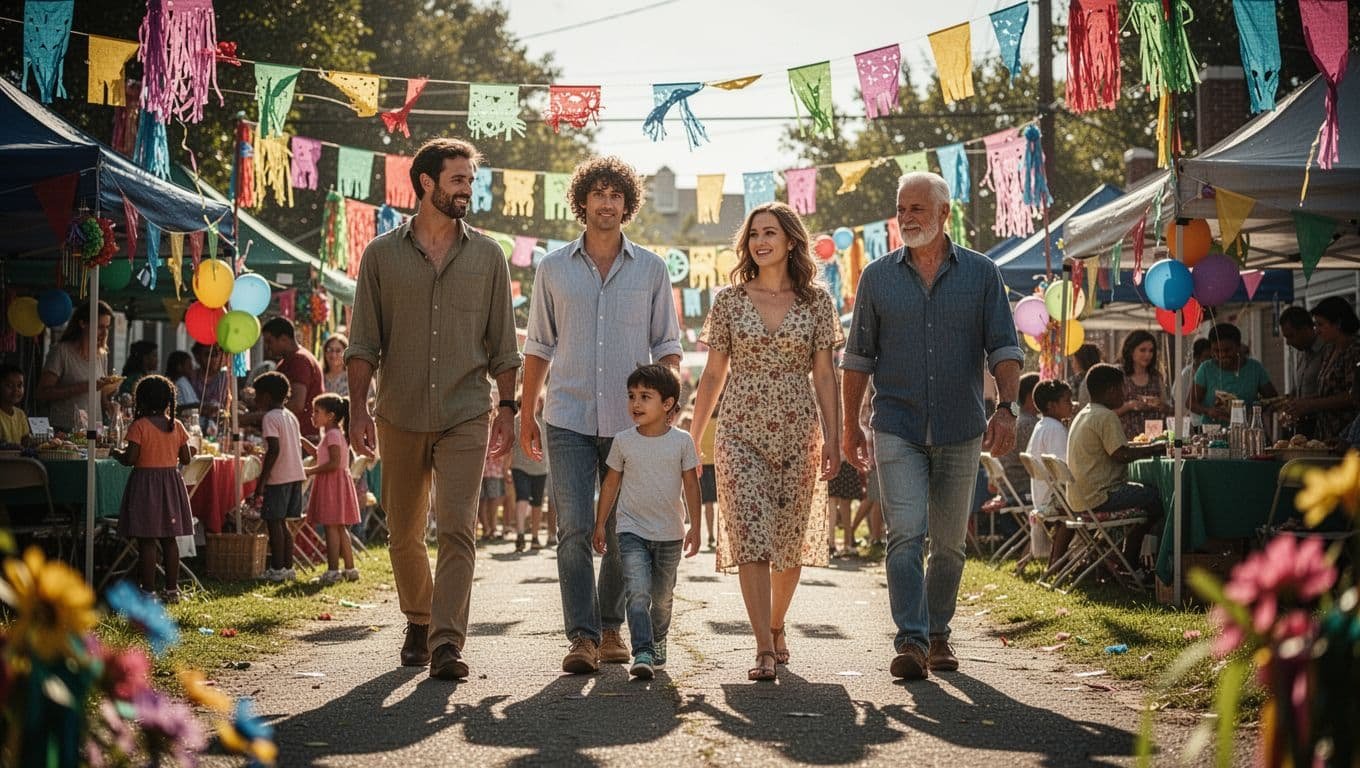
Local Labor Day weekend events can give kids a memorable experience without a long road trip or expensive tickets. Check your city recreation department, public library, community center, museum, zoo, farm, historical site, farmers market, and local festival calendar for family-friendly options.
Choose an Outing That Fits Your Family
Compare each option before committing. A popular event may look exciting online but still be a poor fit for your children’s needs.
| What to compare | Questions to ask |
|---|---|
| Cost | Are admission, parking, food, and activity fees within your budget? |
| Travel time | Can your children handle the drive and the return trip? |
| Weather protection | Is there shade, indoor space, or a rain plan? |
| Comfort | Are bathrooms, seating, water, and food easy to access? |
| Crowd size | Would your children enjoy a festival, or prefer a quieter museum? |
| Sensory needs | Are loud music, bright lights, smells, or long lines likely to cause stress? |
| Participation | Can children touch, build, search, feed, draw, or help? |
Possible outings include a children’s museum, animal encounter, outdoor concert, parade, volunteer project, train ride, mini-golf course, or pick-your-own farm. A free nature center may suit your family better than a costly attraction with long waits. Choose the experience that matches your children, not the one that receives the most attention online.
Make a Learning-Focused Trip Feel Like Play
Give each child a small mission before visiting a museum, historic site, nature center, farm, or zoo. They might find one animal, ask a staff member one question, sketch an object, or explain one new fact at dinner.
Keep the goal open-ended. Curiosity matters more than completing every exhibit or turning the visit into a formal lesson. For younger children, picture prompts and simple fall questions for preschool circle time can inspire conversation after the outing.
Include a Small Service Project
Connect Labor Day with appreciation for work and community through a short, practical project. Children can collect litter with an adult at a park, donate gently used books, make cards for older adults, help a neighbor, or prepare approved supplies for a local food pantry.
Call attention to the people who care for shared spaces, rather than giving a lecture. Keep children supervised, use gloves for litter collection, avoid sharp or unsafe objects, and follow the rules of each organization. A small act of service can help children practice kindness, communication, and responsibility together.
Low-Cost Ideas and Rainy-Day Backups That Still Feel Special
A memorable Labor Day weekend can cost very little when you plan around places your family already has nearby. Set a spending limit before leaving, then choose one small treat, such as ice cream or a shared pastry, instead of several costly extras. Prepare two or three backup options in advance, and let the kids choose when weather or energy changes.
Enjoy a Memorable Day on a Small Budget
Use a local park for a backyard-style picnic, nature hunt, or geocaching-style walk with homemade snacks. Borrow bicycles, balls, frisbees, or camping gear from friends rather than buying equipment for one weekend. A public beach, neighborhood parade, or free community program can feel just as special as a ticketed attraction.
Check whether your library offers museum passes, free events, or discounted admission to local attractions. Public transportation may also turn the outing into part of the adventure while saving money on gas and parking. For more free and inexpensive ideas, browse this collection of free family activities.
Keep Kids Engaged When Plans Change
When rain arrives, use a loose indoor schedule instead of trying to fill every minute. Rotate through stations for building, drawing, movement, puzzles, and reading, then pause for food and quiet time. Try an indoor obstacle course with pillows, a home carnival with simple games, a baking project, or a child-safe science experiment.
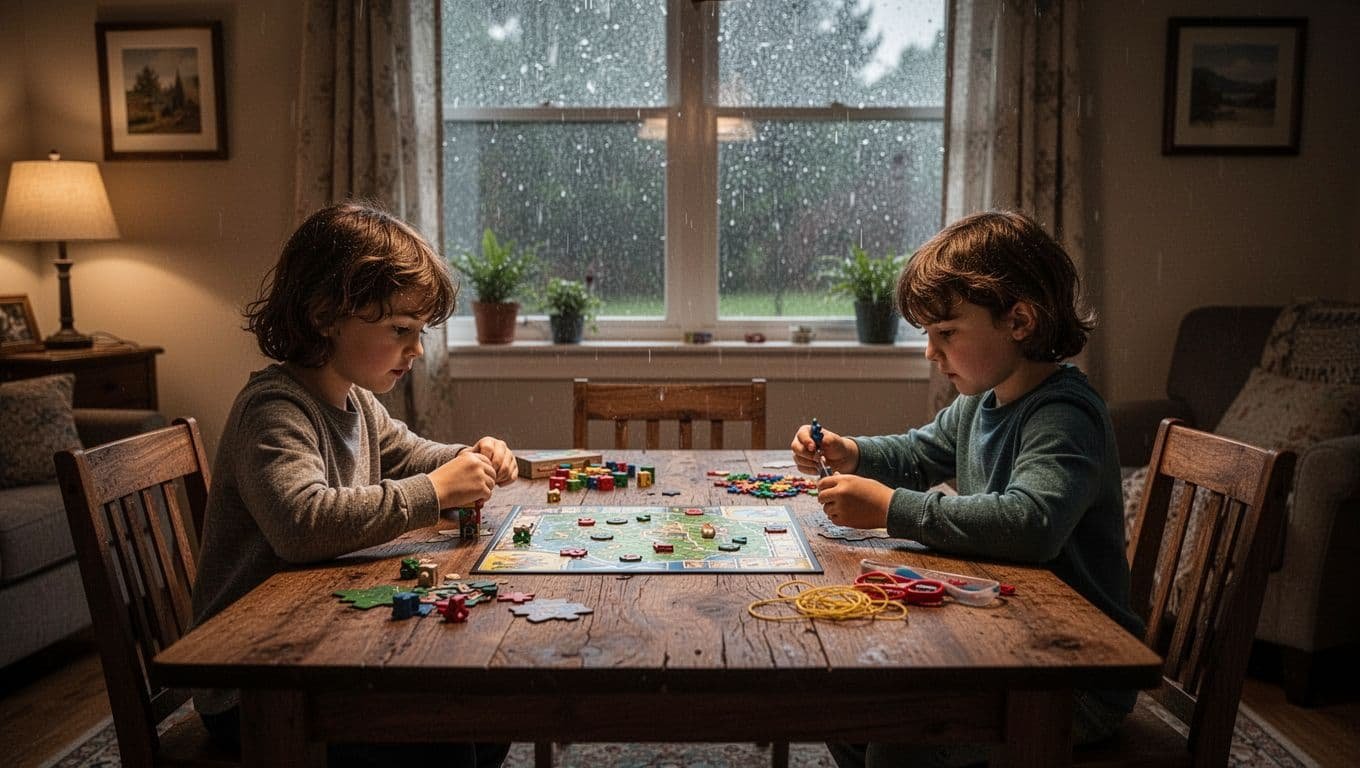
A family reading hour can follow lunch, while a shared movie or board game becomes the family choice. Reduce sibling conflict with clear turns, shared goals, and one quiet space for children who feel overwhelmed.
Balance Fun With Safety and Rest
On hot days, offer water often, use sunscreen and hats, seek shade, and watch for signs of heat illness. Stay within arm’s reach of young children near water, follow life-jacket rules, and review traffic safety before walks or bike rides. Keep allergy-safe snacks separate, identify meeting points in crowds, and supervise activities based on each child’s age.
Schedule breaks before children become exhausted, and move bedtime earlier after a busy day. Changing an activity or heading home early is a successful parenting choice, not a failed plan.
Frequently Asked Questions
A few practical questions can make Labor Day weekend planning easier. Use these answers to shape activities around your family’s budget, schedule, and energy.
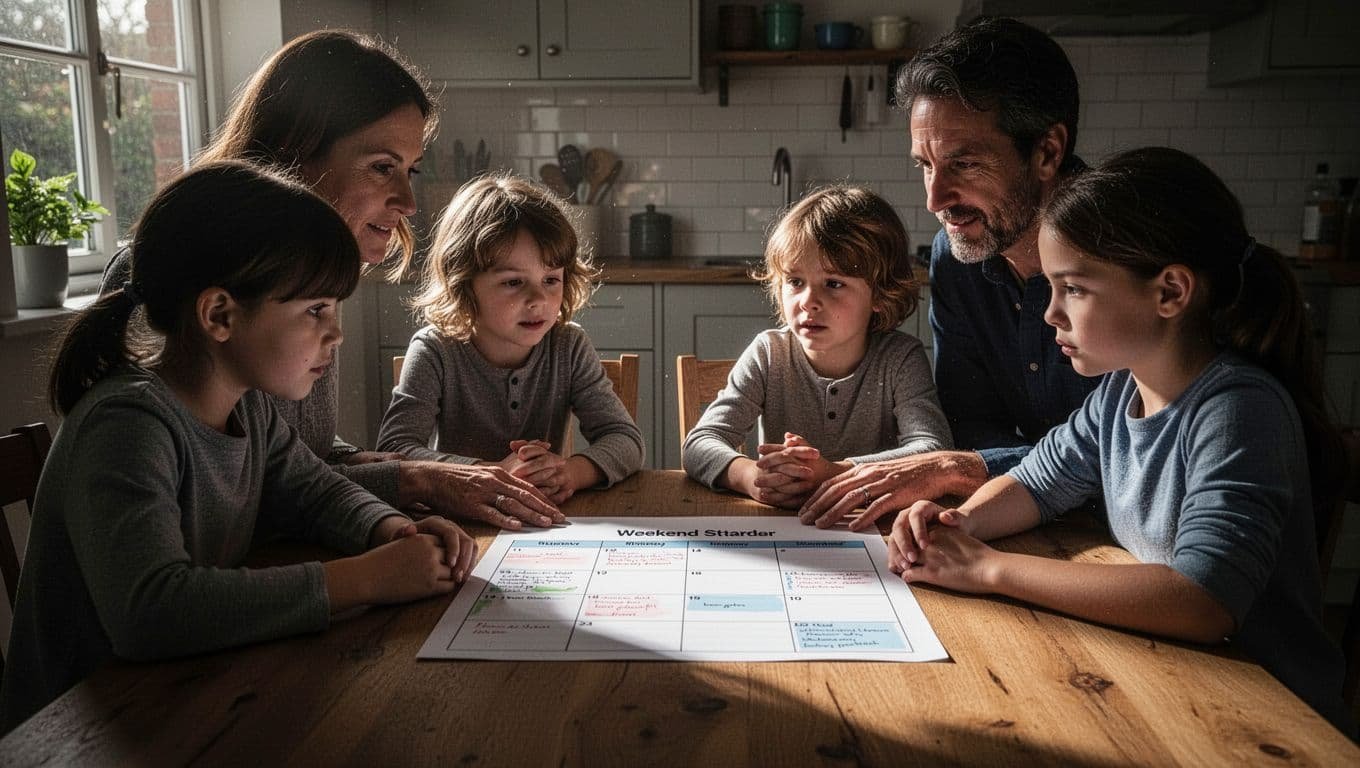
How many activities should we plan for Labor Day weekend?
Choose one main activity per day, then keep one simple backup available. Children often enjoy a short park visit more than a packed schedule that leaves everyone tired and irritable. Add free time for meals, rest, and unplanned play.
How can we keep the weekend affordable?
Set a total spending limit before choosing paid outings. Include admission, parking, gas, food, and small purchases, because extras can cost more than tickets. Packing lunch and choosing one paid experience alongside free activities can protect your budget. These budgeting and financial discipline tips can also help you plan family spending with less stress.
What should we do if the kids disagree about the activity?
Give each child one choice during the weekend, then select a shared activity everyone can tolerate. For example, one child might choose the Saturday outing while another picks the family game that evening. A simple rotation prevents one sibling from controlling every decision.
You can also offer two acceptable options instead of asking an open-ended question. This keeps the conversation focused while giving children a real voice.
How far ahead should we plan a Labor Day outing?
Start checking event hours, ticket prices, and reservations about one to two weeks ahead. Popular museums, farms, and attractions may fill their timed entries before the holiday weekend. For free activities, keep a short list of nearby parks, trails, libraries, and indoor locations.
Local event calendars can also reveal free movie screenings, craft programs, and community activities, such as those listed in this Labor Day weekend event guide.
How can parents enjoy the weekend too?
Assign age-appropriate jobs, such as choosing music, packing snacks, reading the map, or leading a game. Parents can also agree on short breaks while another adult supervises the children. Sharing responsibilities supports healthy relationship habits and keeps one person from carrying the entire weekend.
Conclusion
Labor Day weekend gives your family one more chance to enjoy summer before school routines take over. The best Labor Day weekend activities for kids balance movement, creativity, curiosity, and rest without requiring a full schedule or an expensive destination.
Choose one activity that gets kids moving, such as a park visit or backyard game. Add one creative or curiosity-based option, such as a craft, cooking project, library visit, or nature hunt. Then leave enough unplanned time for snacks, quiet play, and an early night if everyone needs a break.
Children often remember the simple moments most: a shared snack, a funny family game, or exploring a familiar place in a new way. A relaxed weekend together can make the end of summer feel special.
Save the pin for later

- 8 Signs Your Ex Is Testing You And What It Really Means - September 18, 2026
- 12 Qualities Every Good Man Should Have - September 18, 2026
- How to Write a Dating Profile for a Woman Over 45: 9 Simple Steps - September 18, 2026